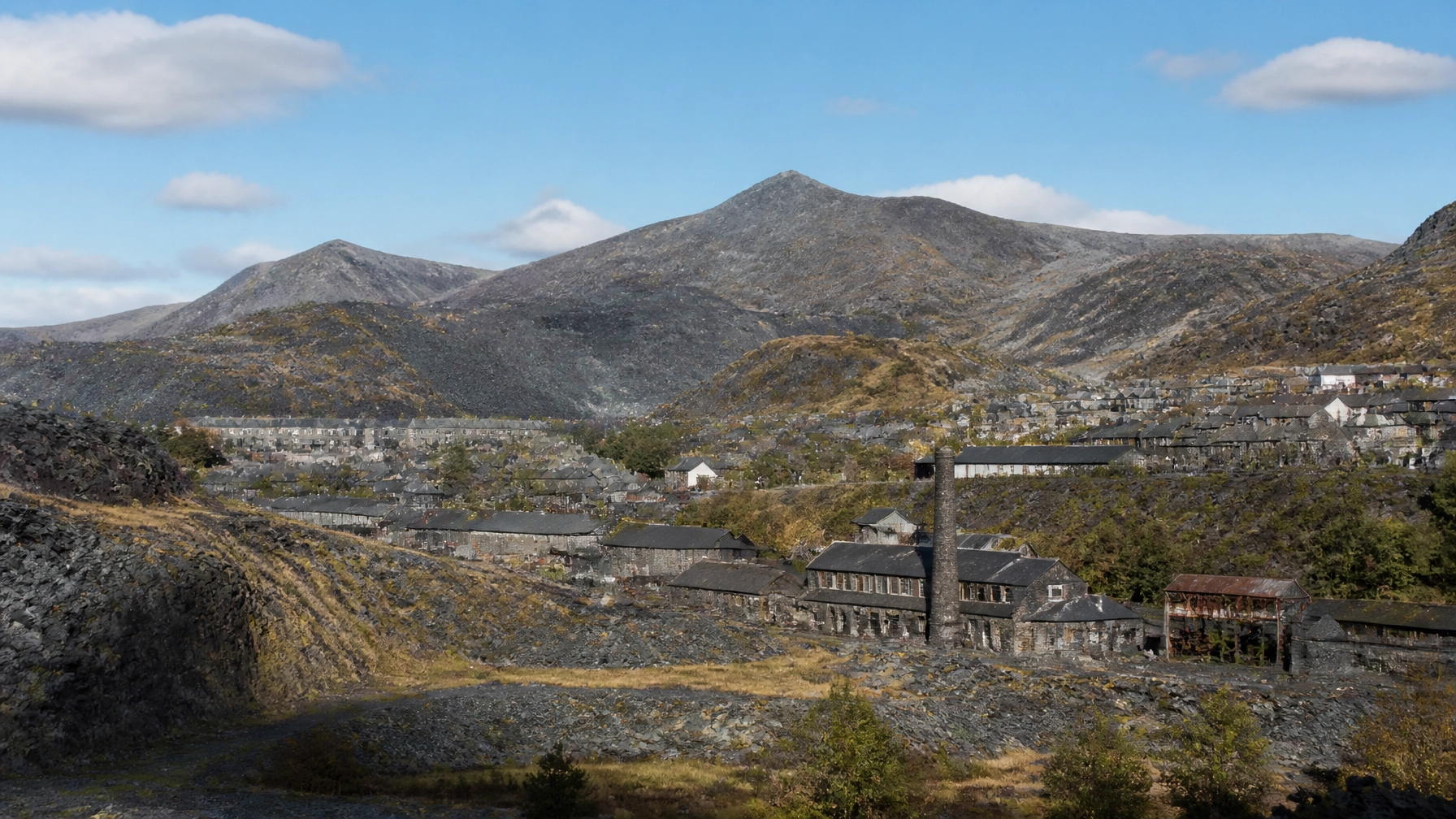
The arrival of Effi o Blaenau in cinemas across the United Kingdom marks a definitive moment for Welsh-language cinema, as the film transcends linguistic boundaries to become a genuine cultural phenomenon. Released this week to widespread critical acclaim, the production has moved from the intimate stages of theatre to the expansive canvas of the silver screen, bringing with it a raw, unfiltered look at life in the heart of Gwynedd. Based on the celebrated stage monologue Iphigenia in Splott, the film relocates the narrative from the urban sprawl of Cardiff to the towering slate heaps and mist-shrouded valleys of Blaenau Ffestiniog. This shift in setting has provided a striking visual backdrop that mirrors the emotional weight of the story, blending the traditions of British social realism with the structural gravity of a Greek tragedy. The result is a piece of filmmaking that feels both timeless and urgently contemporary, capturing a specific moment in the life of a young woman navigating a world that often feels designed to fail her.
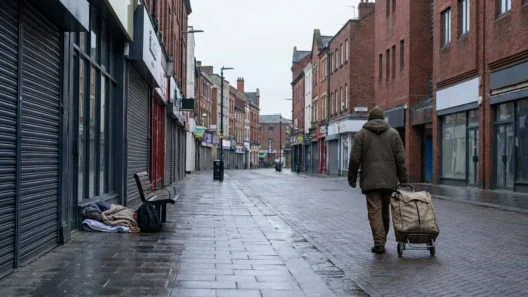
Audiences have flocked to independent cinemas and multiplexes alike, drawn by the word-of-mouth buzz that has built steadily since the film’s premiere. The narrative follows Effi, a young woman whose daily existence is defined by the repetitive cycles of a deindustrialised town: a life of unemployment, fleeting connections, and the pursuit of escape through the local nightlife. However, beneath the surface of what might seem like a familiar tale of working-class struggle lies a deeply empathetic and sophisticated exploration of human resilience. The film does not shy away from the harsh realities of poverty or the systemic failures of public services, yet it manages to find beauty and dignity in its protagonist’s journey. Critics have noted that while the film is unflinching in its portrayal of hardship, it is never voyeuristic, maintaining a respectful and artistic distance that allows the characters' humanity to shine through the gloom of their circumstances.
A Masterclass in Modern Social Realism
The success of the film is rooted in its commitment to the principles of social realism, a genre that has a long and storied history in British cinema. By focusing on the minutiae of daily life in a former industrial powerhouse, the production team has managed to capture the unique atmosphere of Blaenau Ffestiniog. The town itself becomes a character in the story, with its grey stone terraces and the looming presence of the slate quarries serving as a constant reminder of both a proud past and an uncertain future. The cinematography makes use of natural light and the often-volatile Welsh weather to create a sense of place that is visceral and authentic. This isn't a postcard version of Wales; it is a living, breathing community where the struggle for survival is etched into the very landscape. The film’s ability to ground its more dramatic and tragic elements in this tangible reality is what makes the viewing experience so profound.
Central to this realistic approach is the film’s unflinching look at the impact of austerity on the individual. The narrative reaches its most harrowing peaks when dealing with the underfunding of public services, particularly within the realm of healthcare and maternity support. Through Effi’s eyes, the viewer sees the "impossible choices" faced by frontline workers and the devastating consequences for those who rely on them. By framing these modern issues within the structure of a tragedy, the film elevates the personal struggles of its characters to something universal. It asks difficult questions about the value of a human life and the responsibilities of a society towards its most vulnerable members. This thematic depth ensures that the film lingers in the mind long after the credits roll, sparking conversations about the state of the nation and the role of art in reflecting uncomfortable truths.
The Power of Place and Performance
While the setting and the script provide a powerful foundation, it is the performance of Leisa Gwenllian in the title role that truly elevates the film to the status of a masterpiece. Appearing in almost every frame, Gwenllian delivers a tour de force that captures the complexity of Effi’s character: from her abrasive exterior and sharp wit to the profound vulnerability that lies beneath. It is a performance of immense physical and emotional range, requiring the actor to navigate the highs of a burgeoning romance and the devastating lows of personal loss. The chemistry between Gwenllian and the rest of the cast, particularly in the scenes depicting Effi’s brief encounter with an injured soldier, provides the film with its most tender and hopeful moments. These flashes of connection serve as a vital counterpoint to the broader themes of neglect, reminding the audience of the potential for beauty even in the most restricted circumstances.
The direction by Marc Evans is equally noteworthy, showing a keen understanding of how to translate a stage monologue into a cinematic experience without losing its essential intimacy. The camera often stays close to Gwenllian, drawing the viewer into her internal world and making them complicit in her journey. This proximity creates a sense of empathy that is crucial for a story that deals with such heavy subject matter. The choice to keep the dialogue in the Welsh language, with subtitles for wider audiences, has also been praised for its authenticity. It reflects the linguistic reality of Gwynedd and adds another layer of cultural richness to the film. By refusing to compromise on the language or the setting, the filmmakers have created a work that is distinctively Welsh yet possesses a global appeal, proving that local stories can resonate on an international stage when told with such skill and conviction.
Bridging the Gap in Contemporary Cinema
The breakout success of Effi o Blaenau suggests a growing appetite among cinema-goers for stories that challenge the status quo and offer a different perspective on modern life. In an era often dominated by large-scale franchises and escapist entertainment, this film stands out as a reminder of the power of independent, character-driven storytelling. Its ability to draw large crowds across the UK indicates that audiences are looking for more than just spectacle; they are looking for honesty and emotional truth. The film’s distribution pattern, which includes both major chains and smaller independent venues, shows a confidence in the project that has been well and truly justified by the box office returns and the intensity of the public response.
As the film continues its run, it is likely to be remembered as a landmark achievement for the Welsh creative industries. It has demonstrated that there is a path for regional, minority-language films to find a broad and appreciative audience. By focusing on the "untold stories" of communities that are often overlooked by mainstream media, the film aligns with a broader movement in contemporary cinema to diversify the voices and experiences represented on screen. The conversations it has started: about class, about the North-South divide, and about the future of our social safety nets: are essential for a healthy democracy. More than just a film, Effi o Blaenau is a call to look closer at the world around us and to recognize the epic tragedies and triumphs occurring in our own backyards every day. Its success is a testament to the enduring power of the human spirit and the vital importance of seeing ourselves, in all our complexity, reflected on the screen.