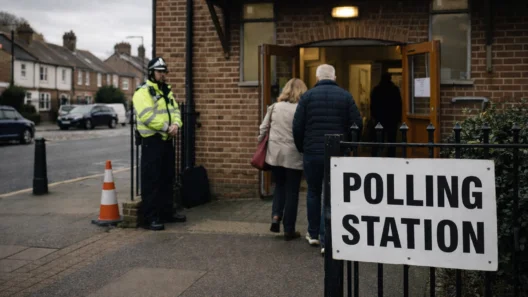
The landscape of British politics shifted significantly this week as the results from the Makerfield by-election confirmed a resounding victory for Andy Burnham. The former Mayor of Greater Manchester secured his return to the House of Commons with a commanding 54.8 per cent of the vote, finishing more than 9,000 votes ahead of his nearest rival. While the victory was expected given the seat’s history, the scale of the mandate and the identity of the victor have sent shockwaves through the corridors of Westminster. For Keir Starmer, the result represents more than just a held seat; it signals the arrival of a formidable internal challenger who now possesses the parliamentary platform necessary to mount a formal bid for the leadership.
Speculation regarding Burnham’s ambitions has been a constant feature of political discourse for several years, but his position outside of Parliament acted as a natural barrier to any immediate challenge. With his election as the Member of Parliament for Makerfield, that barrier has been removed. The win has emboldened those within the Labour Party who seek a change in direction, with many viewing the result as a personal endorsement of Burnham’s "King of the North" persona. The transition from regional mayor to backbench MP is rarely seen as a promotion, yet in this instance, it is widely interpreted as a strategic relocation to the heart of national power.
A Resounding Mandate in Makerfield
The by-election in Makerfield was triggered by the sudden resignation of Josh Simons, creating a vacuum that Andy Burnham was quick to fill. Despite the national trend showing a tightening of the polls, Burnham managed to increase the Labour vote share by nearly ten per cent, a feat that has not gone unnoticed by his colleagues in the PLP. This surge in support came at the expense of several smaller parties, with a notable swing from Reform UK to Labour. Analysts suggest that Burnham’s brand of populist, regional-focused politics resonated with a demographic that has felt increasingly alienated from the central government’s messaging.
In his victory speech, the tone was far from that of a standard backbench arrival. Burnham spoke of a need for a "new era" and a "politics that serves everyone," phrases that many interpreted as a critique of the current leadership's cautious approach. The atmosphere at the count was electric, with supporters openly discussing the possibility of a leadership contest before the year is out. This mandate provides Burnham with significant leverage; he is no longer just a popular regional figure but an MP with a fresh democratic seal of approval. The pressure on the incumbent leadership is now tangible, as the party grapples with the reality of having two high-profile figures with potentially competing visions for the country's future.
The logistical implications of this victory are also significant. Under current regulations, an individual cannot simultaneously serve as a Member of Parliament and a Mayor with police and crime commissioner powers. Consequently, Burnham’s move to Westminster will necessitate a further by-election for the Greater Manchester Mayoralty. This secondary contest will serve as another test of the party's grassroots strength and could provide further data on whether the "Burnham effect" is transmissible to other candidates or if it remains a uniquely personal phenomenon. For now, however, the focus remains firmly on the immediate impact of his return to the Commons.
The Parliamentary Path to Leadership
The process of challenging an incumbent Labour leader is governed by strict internal rules, and the arithmetic of the Parliamentary Labour Party is now the subject of intense scrutiny. To trigger a formal leadership contest, a challenger must secure the nominations of at least one-fifth of the party's sitting MPs. In the current parliament, this equates to approximately 81 nominations. While Burnham has long enjoyed popularity among the party membership and the general public, his support within the PLP has historically been more fragmented. However, the Makerfield result has shifted the internal calculus, with several previously wavering MPs now reportedly considering their positions.
The concept of a "managed transition" has begun to circulate among Labour circles. Some insiders suggest that a direct, public confrontation would be damaging to the government’s image and that a negotiated handover might be the preferred route for the party hierarchy. This would involve a series of private discussions aimed at establishing a timetable for a leadership change, potentially avoiding the need for a protracted and divisive ballot of the membership. However, such a scenario depends entirely on the willingness of the incumbent to step aside, a prospect that currently seems remote.
Keir Starmer’s position, while under pressure, remains protected by the very rules that Burnham must navigate. As the incumbent, Starmer is automatically placed on any leadership ballot and does not require the same threshold of nominations as a challenger. This gives him a significant defensive advantage, allowing him to bypass the initial hurdle and appeal directly to the wider membership should a challenge be formalised. The tension between the parliamentary wing, which may be eyeing a change, and the membership, which has previously shown strong support for the current leadership, creates a complex and unpredictable dynamic. The coming weeks will see intense lobbying as both camps attempt to shore up their support bases.
Defiance and Diplomacy at Westminster
In the wake of the by-election result, the Prime Minister has maintained a public stance of absolute defiance. Spokespeople for Number 10 have been clear that there are "no plans to resign" and that the leadership is focused entirely on the business of government. This public-facing resolve is intended to project stability and deter potential defectors within the party. Starmer himself has indicated a willingness to fight any challenge that may arise, stating that he is not prepared to walk away from the mandate he was given. This setup suggests that any attempt by Burnham to claim the top job will not be the "coronation" that some of his supporters have predicted, but rather a hard-fought political battle.
There are also reports of diplomatic manoeuvres behind the scenes. Suggestions have emerged that Burnham could be offered a high-ranking Cabinet position, perhaps as a way to integrate his influence into the existing government structure and neutralise the threat of a leadership bid. Such an appointment would be a double-edged sword for Burnham; while it would grant him immediate national executive experience, it would also tie him to the current administration’s policies and record, potentially making it harder to present himself as a "change" candidate in the future. For Starmer, it would be an attempt to keep his closest rival close, following the old political maxim of keeping one's friends close and one's enemies closer.
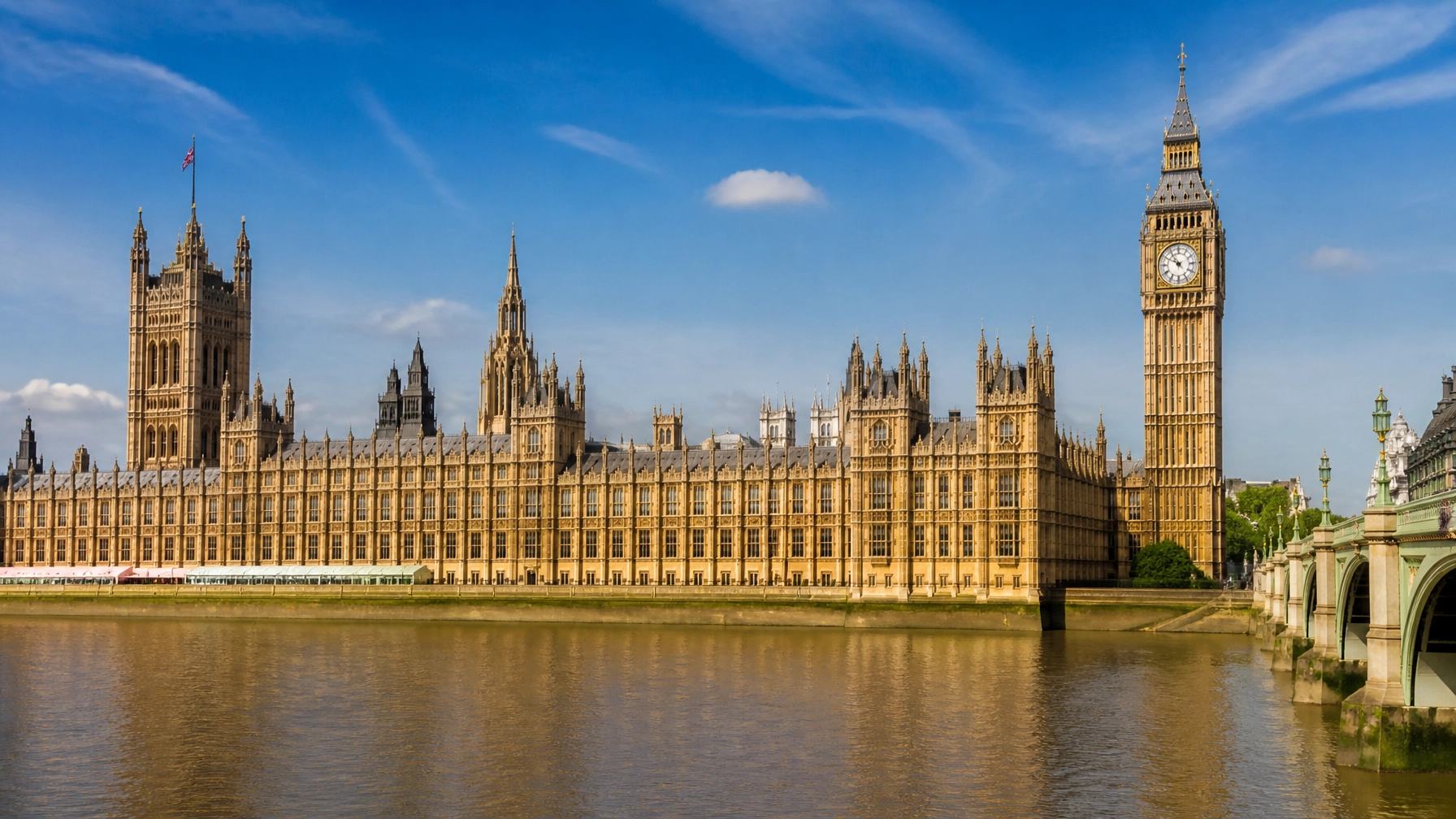
As Andy Burnham prepares to take his seat in the House of Commons next week, the political atmosphere in London is one of high anticipation. The first meeting between the two men is expected to be a pivotal moment. Whether it takes the form of a polite exchange in the division lobbies or a more formal, private discussion in the Prime Minister's office, the subtext will be clear. The Labour Party stands at a crossroads, with one leader determined to maintain his course and another arriving with the momentum of a landslide victory and a clear eye on the ultimate prize. The stability of the government may well depend on how these two powerful figures navigate the next few months of parliamentary life.