The journey of a simple word game from a personal gift to a global phenomenon is reaching its most ambitious milestone yet. Wordle, the puzzle that captured the collective focus of the internet during a period of global isolation, is transitioning from the small screens of smartphones to the grand stage of television. This evolution marks a significant shift in how digital content is adapted for traditional media, reflecting a broader trend where simple, community-driven mechanics are valued over high-stakes complexity.
The move to television is led by some of the most recognisable names in American broadcasting. NBC has officially greenlit the production of a Wordle-based game show, bringing in Jimmy Fallon as the executive producer and Savannah Guthrie as the host. For Fallon, a personality known for his love of parlour games and interactive entertainment, the project represents a natural extension of his brand. For Guthrie, a mainstay of morning television, it is an opportunity to step into a more lighthearted arena, though the backdrop of this transition has been marked by profound personal challenge.
Bringing the Grid to the Small Screen
The challenge of adapting a game that takes most players less than five minutes to complete into a full-length television programme is substantial. The original Wordle, created by software engineer Josh Wardle as a gift for his partner, relied on a clean interface and a strict “one game per day” rule. This scarcity created a shared social experience, as players across the world grappled with the same five-letter mystery simultaneously. When The New York Times acquired the game, many feared the magic might be lost to commercialisation, but the daily habit only grew stronger.
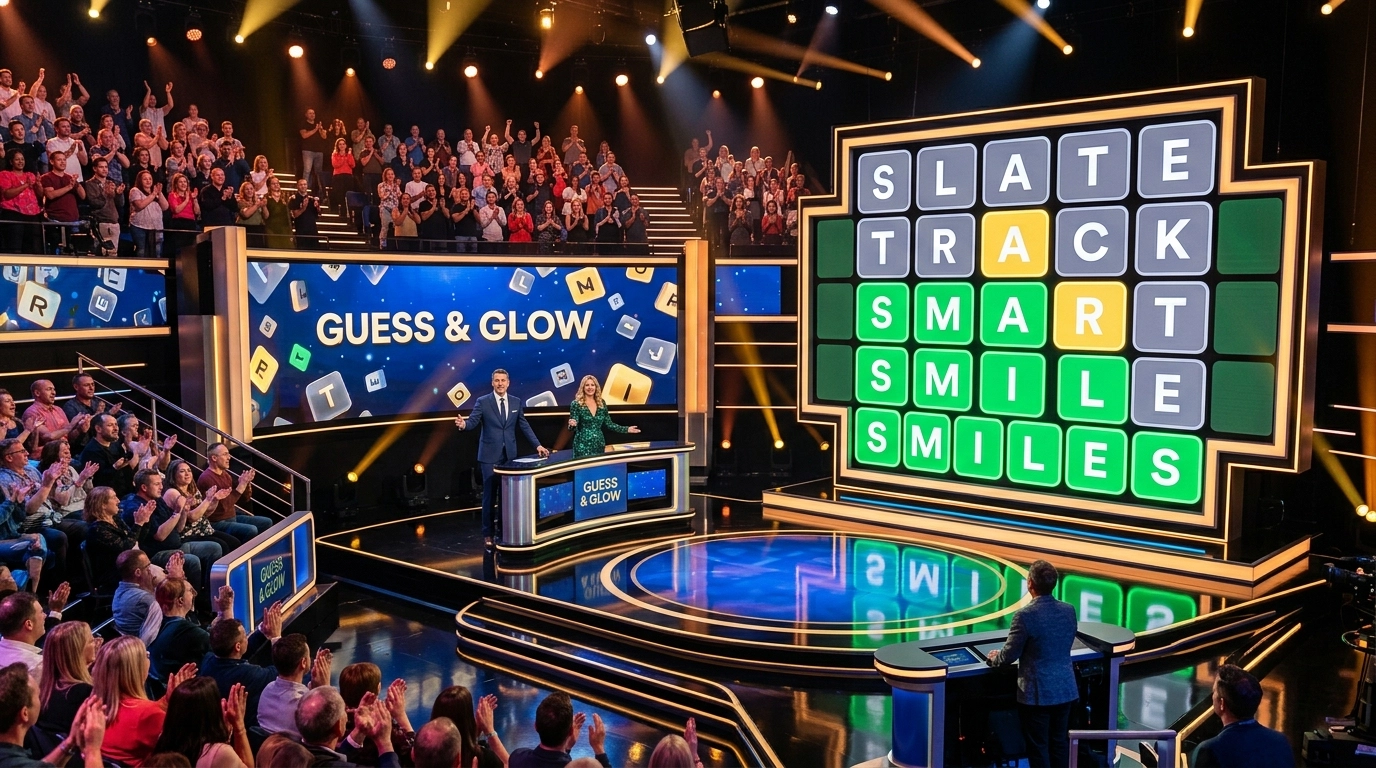
The television adaptation aims to preserve this core appeal while introducing a competitive, fast-paced atmosphere. Jimmy Fallon has described the show as a “great family game” that maintains the spirit of the original grid. While the exact mechanics of the TV version remain under wraps, the focus is expected to be on the linguistic agility and logical deduction that made the app so addictive. The production team has designed a set that mirrors the iconic green, yellow, and grey aesthetic of the digital game, creating a visual bridge for the millions of people who start their morning with the NYT app.
Casting for the show has been an extensive process, seeking out individuals who are not only skilled at word puzzles but also bring a compelling personality to the screen. The production scheduled for this summer follows a period of significant anticipation. The goal is to create a viewing experience that invites the audience at home to play along in real-time, much like the traditional quiz shows that have dominated evening schedules for decades. By tapping into the established Wordle community, NBC is betting on the enduring power of a simple, well-designed challenge.
The Strength of a Host Under Pressure
The choice of Savannah Guthrie as the host was a deliberate move by Fallon and the network. Guthrie is widely known for her sharp intellect and warm presence on the “Today” show, qualities that are essential for guiding contestants through the tension of a timed word puzzle. However, the lead-up to the show’s production has been overshadowed by a deeply distressing personal situation for the host. The announcement of the show was accompanied by the revelation that Guthrie’s mother, Nancy Guthrie, had disappeared from her home in Arizona.
Nancy Guthrie, aged 84, vanished nearly 100 days ago, prompting an intensive investigation. Local authorities have indicated that they believe the disappearance was an abduction, a development that has sent shockwaves through the community and Guthrie’s professional circle. There have been no suspects identified and no evidence discovered regarding Nancy’s whereabouts or her well-being. This crisis necessitated a delay in the original filming schedule for the Wordle show, which was initially slated to begin in March.
Guthrie made the difficult decision to step away from her professional duties temporarily to focus on the search for her mother. Her resilience during this period has been noted by colleagues and viewers alike. Despite the immense emotional burden, she has remained a figure of grace and determination. The decision to proceed with the summer filming schedule suggests a desire to return to a sense of normalcy and purpose, even as the search for Nancy continues. The story of the Wordle TV transformation is, therefore, not just one of media expansion, but one of human endurance in the face of the unknown.
Why We Still Need Simple Connections
The fascination with Wordle and its subsequent move to television highlights a collective desire for simple, shared experiences. In an era where news cycles are often dominated by complex and distressing global events, the appeal of a five-letter word puzzle provides a much-needed moment of clarity and connection. It is a reminder that despite our differences, we often find common ground in the most basic of human activities: language and play.
The human interest element surrounding Savannah Guthrie further underscores this point. While she is a public figure leading a high-profile project, her personal struggle is a universal one. The pain of a missing family member and the uncertainty of an ongoing investigation are experiences that resonate far beyond the world of television production. By sharing her story and continuing with her work, Guthrie highlights the importance of community support and the strength found in daily routines.
As Wordle makes its debut on the small screen, it carries with it the hopes of a network and the personal journey of its host. The show is poised to be more than just a game; it is a testament to the cultural impact of a digital trend that became a permanent fixture in our lives. Whether the TV format can replicate the viral success of the original app remains to be seen, but the narrative surrounding its creation is already one of the most compelling untold stories in modern broadcasting. In the end, the grid represents more than just words; it represents the puzzles we all try to solve, both on the screen and in our lives.