








Thousands of serious water pollution incidents across the United Kingdom are being systematically downgraded to "minor" status by the Environment Agency (EA) without any physical site inspections, according to a series of whistleblower revelations.
Internal data and testimonies suggest that the regulatory framework designed to protect British waterways has been compromised by a reliance on data provided by the polluting companies themselves.
The scale of the "downgrade scandal" indicates that as many as 98% of serious pollution reports submitted by water companies are eventually reclassified as low-level incidents.
This reclassification often occurs without an independent investigator visiting the scene to verify the environmental impact.
Whistleblowers from within the Environment Agency describe a "silent dismissal" of major environmental breaches, citing a lack of resources and a management culture focused on clearing backlogs rather than enforcement.
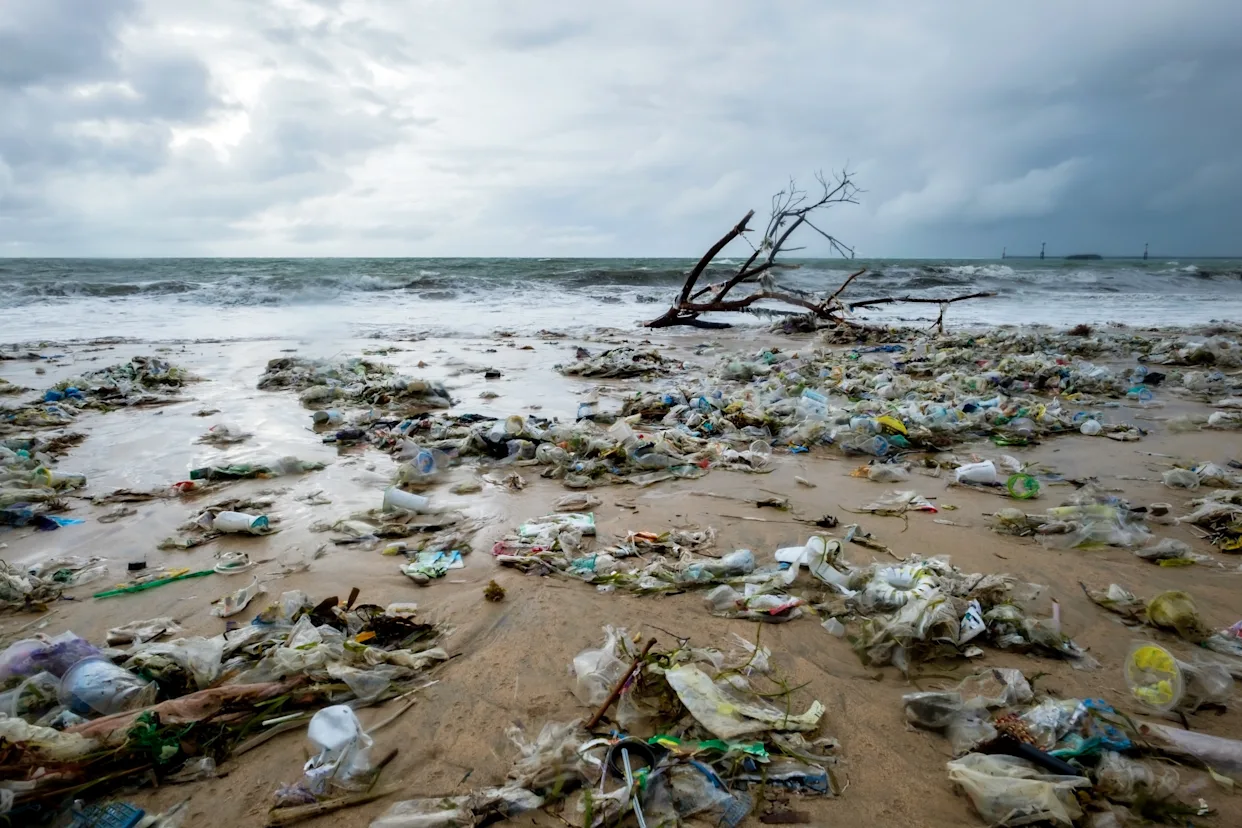
The implications for public health and local ecosystems are severe, as toxic spills into rivers and coastal waters are effectively erased from the official record of "serious" incidents.
This shift in regulatory oversight marks a significant departure from historical standards of environmental protection in the UK.
The Procedural Loophole: How Major Spills Become Minor Incidents
At the heart of the controversy is a specific procedural rule implemented by Environment Agency management regarding the timeline of incident reporting.
According to former agency employees, a directive was established stating that if a water company failed to submit a full report within ten days of a suspected spill, the incident would automatically be downgraded.
Specifically, these incidents are defaulted to a "Category 3" classification, which denotes a minor impact on the environment.
This creates what experts describe as a perverse incentive for water companies to delay or withhold detailed evidence of a major Category 1 or Category 2 spill.
By failing to meet the ten-day deadline, the company ensures the event is recorded as minor, significantly reducing the likelihood of a formal investigation or a heavy fine.
Whistleblower evidence suggests that this "10-day rule" has been used to manage the optics of the UK’s water quality crisis.
When a spill is classified as Category 3, it rarely requires a site visit from an Environment Agency officer, allowing the agency to report higher "resolution" rates for reported incidents despite the lack of physical verification.
Data obtained through Freedom of Information requests suggests that this practice has become standard operating procedure rather than an occasional administrative error.
The reliance on self-reporting by water and sewerage companies has created a closed loop of information where the polluter acts as the primary witness, judge, and jury of its own environmental impact.
Internal documents show that in many cases, evidence of dead fish or significant sewage debris: normally indicators of a serious Category 1 or 2 event: is ignored in favor of the company's own assessment.
The result is a national database of pollution that may drastically underrepresent the true level of damage being done to the UK’s blue spaces.
Environmental advocates argue that this "desk-based" regulation is a dereliction of the agency's statutory duty to protect the environment.
The systematic reclassification of these events hides the cumulative impact of repeated spills on sensitive river habitats.
Budgetary Erosion and the Withdrawal of Field Oversight
The origins of the current oversight crisis can be traced back to a series of significant budget cuts that began in 2016.
During this period, the Environment Agency underwent a structural reorganisation that prioritised cost-cutting over field presence.
One of the most visible signs of this shift was the removal of lease cars for field officers, which severely hampered their ability to respond to pollution incidents in real-time.
Officers were increasingly discouraged from attending pollution sites, with management citing the high cost of travel and the time required for physical inspections.
As a result, the number of "boots on the ground" fell sharply, leaving large swathes of the country without active environmental monitoring.
The agency transitioned to a "precautionary" system where initial reports are often categorized as serious by the public, but are then "corrected" to minor by staff based in offices.
Management defends this approach by claiming that initial reports are often "overestimated" by non-experts who do not understand the technical nuances of environmental damage.
However, staff members argue that without being at the scene to take water samples and assess the local ecology, it is impossible to accurately downgrade a report.
The withdrawal from the field has led to a loss of institutional knowledge and a decrease in the morale of frontline officers who joined the agency to protect nature.
Funding for the Environment Agency’s water quality work has seen a real-terms decline over the last decade, even as public anger over sewage spills has reached record highs.
This lack of funding has forced the agency to prioritize "high-profile" prosecutions at the expense of day-to-day monitoring and minor enforcement actions.
While the agency points to over £150 million in fines secured against water companies since 2015, critics argue that these are isolated successes in a sea of unchecked violations.
The fines, while large, are often seen by water companies as a "cost of doing business" rather than a deterrent, especially when the majority of spills are never investigated.
The gap between the agency’s public statements on enforcement and the reality of its shrinking field operations continues to widen.
Without a significant reinvestment in independent monitoring, the UK’s regulatory oversight remains largely theoretical.
Public Health Risks and the Limits of Enforcement
The human cost of the downgrade scandal is best illustrated by specific cases where environmental breaches have directly impacted local communities.
In one instance in West Lancashire, industrial waste was allowed to contaminate groundwater and nearby river systems for several weeks.
Reports indicate that residents were unknowingly consuming water containing carcinogens at concentrations nearly 1,000 times above safe health limits.
Despite the incident initially being flagged as a Category 1 event: the most serious possible designation: it was not met with immediate or sustained enforcement action.
Whistleblowers suspect that the lack of a robust response was due to the limited funding available for complex, long-term legal battles against large industrial polluters.
When serious incidents are downgraded or ignored, the risk to public health increases as toxic substances linger in the water table and food chain.
The Environment Agency maintains that it operates on a risk-based approach, focusing its limited resources on the most immediate threats to the public.
Yet, if the data used to assess those risks is fundamentally flawed or systematically downgraded, the "risk-based" model fails to function.
The UK government has faced increasing pressure to reform the Environment Agency and provide it with the autonomy and funding required to act as a truly independent regulator.
The Environment Act 2021 was intended to strengthen these protections, but critics argue that legislation is meaningless without the staff and equipment to enforce it.
The ongoing scandal regarding "unchecked" pollution incidents suggests that the UK’s river systems are being treated as secondary to administrative efficiency and corporate interests.
As the backlog of uninvestigated reports grows, the true state of the nation's water quality remains a matter of intense debate and public concern.
The revelations from former EA staff have triggered calls for a full independent inquiry into the agency’s reporting practices and its relationship with water companies.
Until the practice of "silent dismissals" is ended, the data used to judge the health of the British countryside will remain under a cloud of suspicion.
The tension between the Environment Agency’s defensive stance and the evidence provided by its own staff points to a deep-seated crisis in environmental governance.
For the residents of areas like West Lancashire and the millions of people who use the UK’s waterways, the consequences of these "minor" downgrades are all too real.