








When we talk about fraud, the conversation usually revolves around figures. We hear about the millions of pounds drained from bank accounts, the sophisticated tactics of offshore syndicates, or the latest "cloning" scam targeting unsuspecting retirees. But what we rarely discuss is the devastating emotional fallout that remains long after the bank balance has been wiped. For many, the financial loss is only the beginning. The real heartbreak comes from the silence that follows, the feeling of being dismissed by authorities, misunderstood by loved ones, and ignored by a society that often prefers to blame the victim rather than the criminal.
Fraud is a unique type of crime because it carries a heavy burden of shame. Unlike a physical mugging, where the victim is clearly a target of external force, fraud involves a level of perceived participation. The victim "gave" the money away; they "clicked" the link; they "believed" the lie. This nuance creates a fertile ground for self-loathing. However, as we look deeper into the untold stories of those who have survived these ordeals, it becomes clear that these are not stories of greed or naivety. They are stories of exploited trust, sophisticated psychological manipulation, and a systemic failure to provide empathy to those in crisis.
In the world of independent news uk, there is a growing recognition that the human cost of fraud is an epidemic in its own right. The mental health implications, ranging from chronic anxiety and depression to post-traumatic stress disorder, are profound. When a person is defrauded, they don't just lose money; they lose their sense of security and their ability to trust their own judgement.
The psychological cage of the romance scam
Perhaps the most harrowing examples of emotional devastation are found in romance scams. These aren't just financial thefts; they are the systematic demolition of a person’s heart. Research shows that victims of romance scams often experience a form of grief that is comparable to the death of a spouse. They aren't just mourning the loss of their life savings; they are mourning the loss of a future they believed was real. The person they loved, the person they shared their secrets, dreams, and daily lives with, never existed.
Scammers are masters of grooming. They use tactics that are terrifyingly similar to domestic abuse, including gaslighting, isolation, and intense emotional pressure. They spend months, sometimes years, building a foundation of trust. By the time the "ask" for money comes, the victim is so emotionally entwined that the request feels like a natural extension of a committed relationship. When the truth finally comes out, the psychological impact is catastrophic.
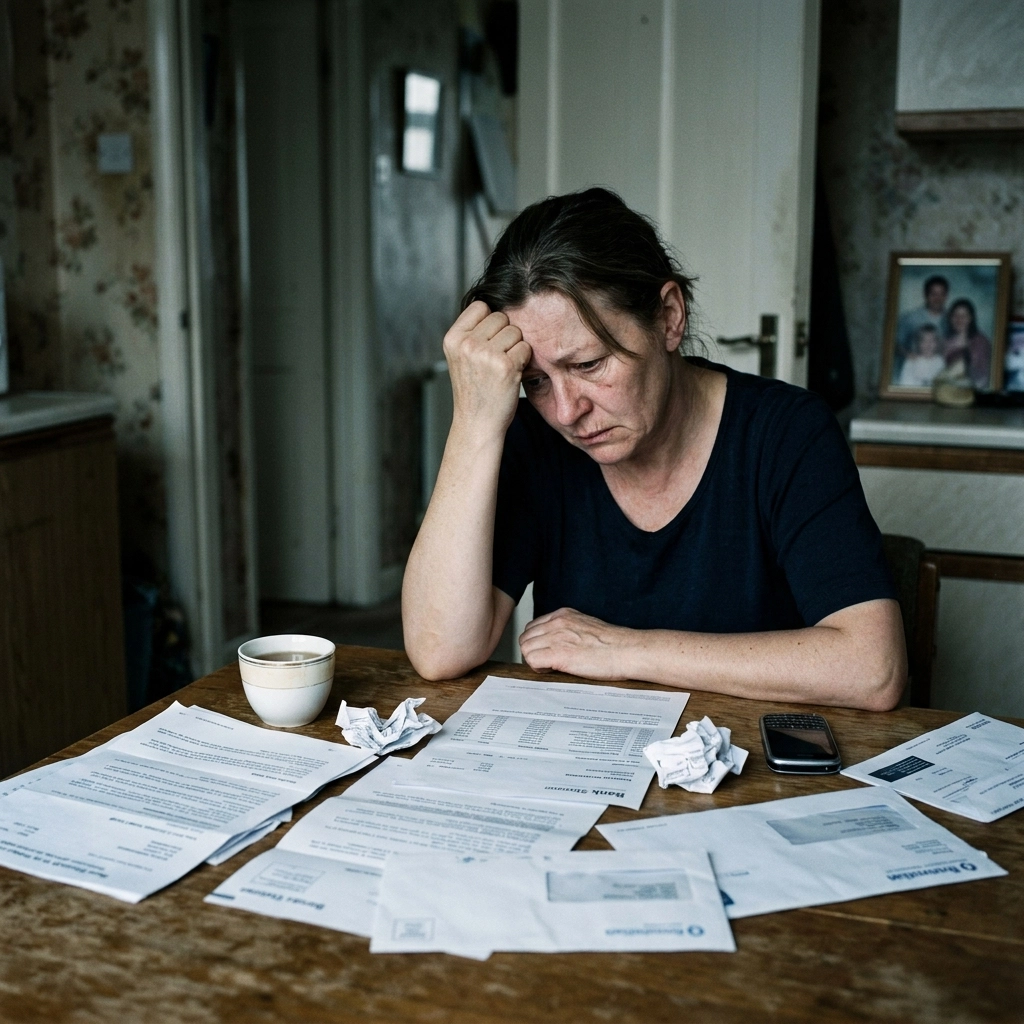
The heartbreak is often compounded by the reaction of friends and family. It is common for loved ones to ask, "How could you be so stupid?" or "Why didn't you see the red flags?" This type of victim-blaming only serves to drive the survivor further into isolation. Instead of receiving the support they need to heal, they are met with judgement. This secondary trauma can be even more damaging than the initial fraud, as it reinforces the scammer’s narrative that the victim is alone and that no one else can be trusted.
The silence of the system and the rationalisation trap
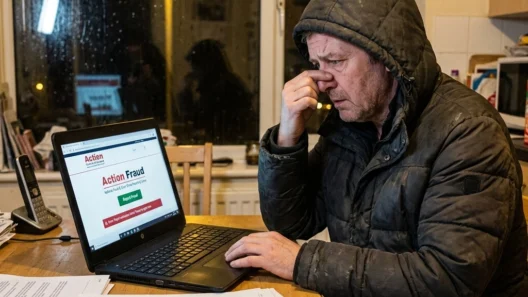
A significant part of the heartbreak for fraud victims is the feeling of being ignored by the systems designed to protect them. In the UK, many victims report that when they contact the police or financial institutions, they are met with a bureaucratic shrug. Because fraud is often seen as a "civil matter" or a crime where no physical harm occurred, it is frequently deprioritised. This lack of institutional validation can make a victim feel as though their experience doesn't matter, further deepening their sense of worthlessness.
There is also a complex psychological phenomenon known as the "rationalisation trap." When intelligent, capable people are targeted, the reality of the scam contradicts their entire self-perception. To admit they were conned is to admit that they are vulnerable. This creates a psychological conflict so intense that many victims fall into denial. They may continue to send money even after being warned, not because they are "gullible," but because the alternative, facing the crushing weight of the truth, is too much to bear.
When the system ignores these psychological nuances, it fails to provide the right kind of intervention. Treating fraud purely as a financial transaction ignores the reality that for many, it is a psychological assault. The untold stories of survivors reveal a desperate need for more than just a crime reference number; they need a space where their trauma is acknowledged. This is where independent news uk platforms play a vital role, by bringing these experiences out of the shadows and demanding a more compassionate approach to victim support.
Reclaiming the narrative through empathy and awareness
Healing from fraud is not a linear process. It requires a fundamental rebuilding of the self. For many survivors, the first step toward recovery is breaking the silence. When we share these untold stories, we begin to dismantle the stigma that keeps victims trapped in their shame. It is essential to shift the public discourse from "how did they let this happen?" to "how did the criminal manage to do this, and how can we support the person affected?"
The role of the community is vital here. Instead of offering "tough love" or unsolicited advice, friends and family should focus on providing a safe, non-judgemental space. Acknowledging that the victim was subjected to sophisticated psychological warfare can help them move past the self-blame that often halts recovery. Understanding that the feelings of love or friendship they felt were genuine, even if the person on the other end was a fake, is a crucial part of the grieving process.
Moreover, there needs to be a push for better editorial standards in how these stories are reported. For more information on how we approach these sensitive topics, you can read our editorial standards and ethics policy. By humanising the statistics, we can foster a society that is more resilient to scams and more supportive of those who fall through the cracks. The goal is to ensure that no victim feels they have to carry the weight of their experience in silence.
The heartbreak of being ignored is a heavy burden, but it is one that can be lightened through collective empathy and awareness. As we continue to explore the complexities of modern life, it is imperative that we don't leave the victims of fraud behind. Their stories are a testament to human vulnerability, but also to the incredible strength required to survive such a deep betrayal of trust.
The emotional scars of fraud may never fully disappear, but they shouldn't have to be hidden. By shining a light on the psychological reality of these crimes, we can move toward a future where victims are met with open arms rather than closed doors. The journey of recovery begins with being heard, and it is a journey that no one should have to take alone. For further details on our commitment to providing a platform for these voices, please see our about page.