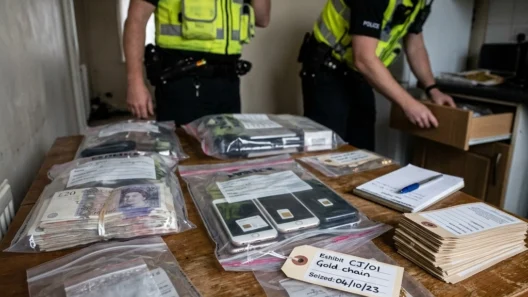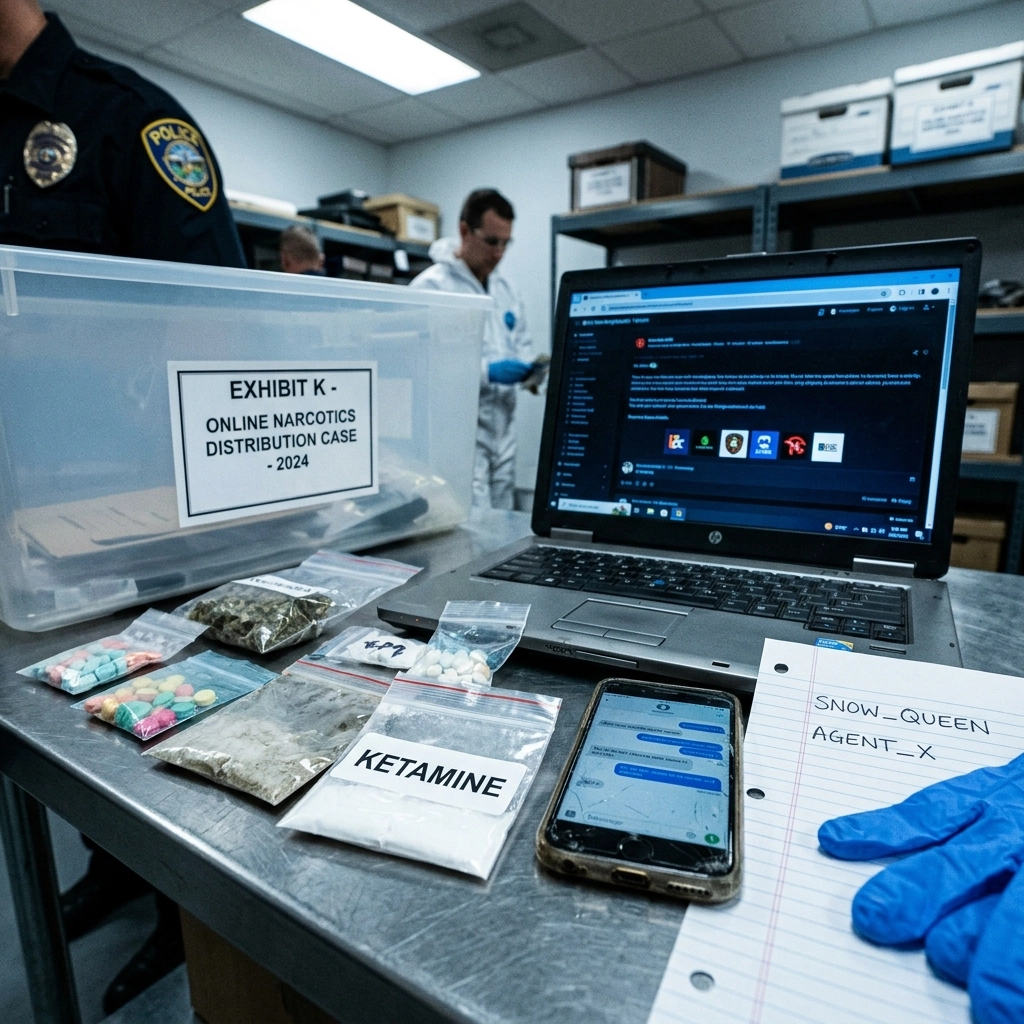
The landscape of drug distribution in the United Kingdom is undergoing a quiet but devastating transformation. What was once a trade conducted in shadows and back alleys has migrated into the bright, high-resolution screens of our children’s smartphones. Recent investigations into the rising ketamine crisis have uncovered a chilling reality: children as young as 10 are not only using the drug but are being recruited into the distribution chain through popular social media platforms. As part of our commitment at NowPWR to provide independent news uk, we are shining a light on these untold stories that often slip through the cracks of mainstream headlines.
Ketamine, traditionally used as an anaesthetic in medical and veterinary settings, has become the "drug of choice" for a new generation. Its popularity isn't accidental; it is the result of a sophisticated, digital-first marketing strategy employed by organised criminal gangs. These groups have moved away from traditional street-level dealing, opting instead for the anonymity and reach of apps like Snapchat, Telegram, and WhatsApp. For parents and educators, the challenge is immense, as the "dealer" is no longer a suspicious figure on a street corner, but a notification on a child’s phone.
The Digital Transformation of the Modern Drug Trade
The shift to online marketplaces has allowed drug dealers to adopt business models that look remarkably like legitimate e-commerce giants. These digital "storefronts" offer menus of various substances, complete with high-quality photography, product reviews, and even "loyalty schemes" or bulk-buy discounts. In the case of ketamine, it is often sold in quantities ranging from a single tablet to batches of 500. This professionalisation of the trade makes it incredibly accessible to minors who are already accustomed to navigating digital spaces for shopping and socialising.
By using encrypted messaging services, dealers can operate with a level of security that was previously impossible. They avoid the physical risks of carrying large quantities of drugs in public and can reach thousands of potential customers with a single post or "story" update. This digital wall also makes it significantly harder for law enforcement to intercept transactions. Police forces across the country, particularly in the Northwest of England, are reporting that dealers use these platforms to bypass traditional policing methods, staying one step ahead by constantly shifting accounts and using coded language.
Moreover, the psychological impact of this digital presentation cannot be understated. When a drug is presented with the same aesthetic as a trendy clothing brand or a new gadget, the perceived risk decreases. For a teenager, seeing a "flash sale" on a Telegram group can normalise the substance, making it seem like just another consumer product. At NowPWR, we believe it is vital to expose how these sophisticated tactics are specifically designed to entrap the most vulnerable members of our society.
Vulnerability, Peer Pressure, and the School Playground
The crisis is particularly acute in regions like Greater Manchester and Lancashire, where the drug is being sold and consumed in and around school premises. The affordability of ketamine is a major factor in its spread. Because it is relatively cheap compared to other Class B substances, children are reportedly pooling their pocket money to buy the drug. This "crowdfunded" approach to drug use is a new and alarming trend that highlights how deeply the substance has permeated youth culture.
The involvement of children doesn't stop at consumption. Many young people are being coerced into the distribution process. Dealers often use tactics similar to those seen in county lines operations, where vulnerable minors are groomed with gifts or threatened with violence to move products. This creates a cycle where children are dealing to their peers, making the drugs even harder for adults to detect. When the dealer is a classmate, the traditional warning signs parents are told to look for: such as suspicious older individuals hanging around: simply don't apply.
There is also a significant gap in parental awareness regarding the digital lives of their children. While many parents monitor who their children meet in person, few are fully aware of the complex and often dangerous communities existing within their children's phones. This lack of oversight provides the perfect cover for dealers to target 10-to-13-year-olds who may not fully grasp the legal or health consequences of their actions. This situation is another example of how the system can fail the kids when it doesn't adapt quickly enough to changing social dynamics.
A Systematic Shift in Policing and Public Education
Addressing the ketamine crisis requires more than just traditional law enforcement raids; it demands a systematic shift in how we approach drug education and digital safety. Experts across the criminal justice and health sectors agree that education is the most critical tool we have. However, this education must be modernised to reflect the digital reality of the trade. Teaching children about the dangers of drugs is no longer enough; we must also teach them how to identify grooming and predatory behaviour on social media.
Law enforcement agencies are also having to evolve. With many young users having no prior criminal record, they often fly under the radar of traditional police databases. This makes proactive digital policing and community intelligence more important than ever. Greater Manchester Police have identified ketamine as a dual threat: it is being imported by domestic gangs and also exported abroad, showing the scale of the professional operations involved. The complexity of these networks means that local authorities need more resources to tackle the "hidden" side of the internet where these deals take place.
Communities also play a vital role. Breaking the silence surrounding ketamine use in schools is the first step toward reclaiming those spaces. By encouraging open dialogue between parents, teachers, and students, we can begin to dismantle the secrecy that digital dealing relies upon. NowPWR is dedicated to following these untold stories, ensuring that the public remains informed about the evolving challenges facing our communities. The ketamine crisis is a stark reminder that while technology brings us closer together, it also provides new avenues for old threats to reach our front doors: and our children’s bedrooms.
The rise of ketamine as a primary concern for UK youth highlights the need for a multifaceted response. As the drug continues to be marketed through sophisticated online business models, the combined efforts of parents, educators, and updated policing strategies will be essential in protecting the next generation from the dangers of the digital drug trade. Understanding the mechanics of how these substances reach children is the only way to build effective barriers against them.
The current situation in the UK serves as a warning of how quickly drug trends can shift when bolstered by digital platforms. It is no longer enough to monitor the streets; the real battle for the safety of young people is now happening in the palms of their hands. By staying informed and vigilant, communities can begin to address the root causes of this crisis and work toward a safer environment for all children. NowPWR will continue to monitor these developments, providing the independent news uk readers need to understand the changing world around them.