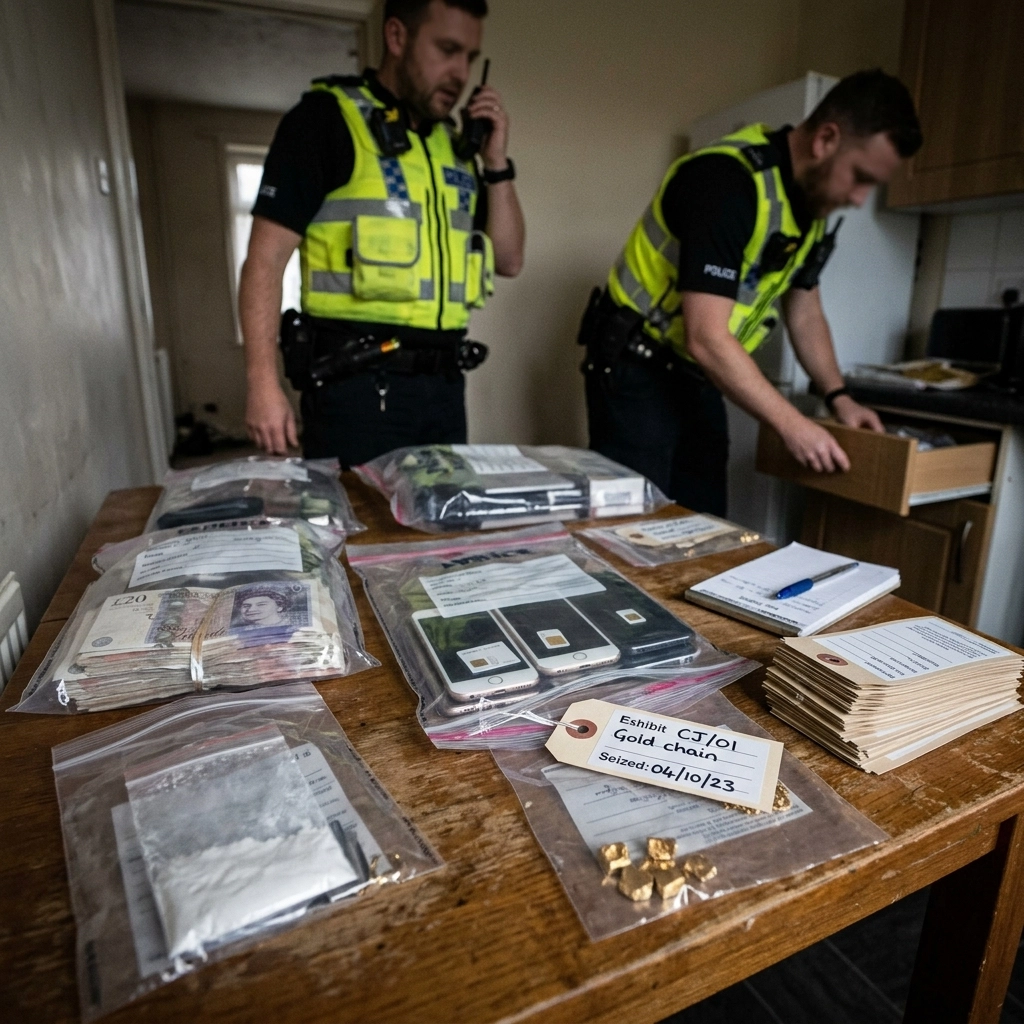
The reality of modern crime in the United Kingdom is often far removed from the gritty, grey depictions we see in old television dramas. Today, the landscape is a bizarre mix of extreme luxury and desperate exploitation. Recent law enforcement operations have pulled back the curtain on the "County Lines" phenomenon, revealing a world where gold bars and gold teeth sit alongside converted firearms and exploited children. At NowPWR, we believe in bringing you the untold stories that define our communities, providing independent news UK readers can trust to look beyond the surface.
County Lines refers to the practice where organised criminal groups from urban centres expand their drug dealing activities into smaller towns and rural areas. They use dedicated mobile phone lines: the "lines": to take orders and coordinate deliveries. While the name sounds clinical, the reality is a brutal system built on the backs of the vulnerable. During a recent intensive week of action, police forces across the country demonstrated the sheer scale of this industry, uncovering a lifestyle that is as flashy as it is dangerous.
The operation resulted in more than 2,000 arrests, but it was the items seized that truly captured the public imagination. We are no longer just looking at bags of white powder; we are looking at a culture of "bragging rights" where wealth is flaunted in the most ostentatious ways possible. This is a story about the changing face of British crime and the high price paid by those caught in its gears.
The Glitter and the Grime: What the Raids Uncovered
When police officers stormed properties from Maidstone to the northern reaches of the country, they expected to find drugs and cash. What they didn't necessarily expect was the level of "bling" associated with mid-to-high-level dealers. One of the most striking finds was a pure gold bar seized at an address in Kent. Worth approximately £13,000, the bar represented more than just liquid assets; it was a symbol of the "gold bar lifestyle" that gang leaders use to project power and success.
The list of seizures reads like a luxury shopping manifesto gone wrong. Officers recovered a gold suitcase, designer watches, and even gold teeth. These aren't just personal preferences; they are tools of the trade. In the world of County Lines, appearance is everything. Showing off £73,000 worth of designer clothing or a fleet of high-end vehicles is a recruitment tactic. It suggests to young, impressionable people that the "road life" is a path to quick riches and status.
However, the glamour is a thin veneer. Alongside the gold teeth and the pure bullion, police found nearly 200kg of Class A substances, including heroin and cocaine. The drugs were often packaged in mundane ways, such as "frosted apple" bags, highlighting the disconnect between the flashy lifestyle and the sordid reality of the product being sold. This contrast is a key part of the untold stories we track here at NowPWR. While the dealers flaunt their gold, the communities they serve are left dealing with the fallout of addiction and violence. The seizure of over £1.5 million in cash during a single week shows just how lucrative this exploitation has become.
The Human Cost: Exploitation and the Recruitment of Children
The most sobering statistic from the recent crackdown isn't the value of the gold seized, but the age of those arrested. Out of the 2,000 people taken into custody, nearly 10% were children. Some were as young as 14 years old. This is the heartbeat of the County Lines model: the systematic exploitation of the young and the vulnerable. Criminal gangs "cuckoo" the homes of vulnerable adults, using their residences as bases of operation, and they use children as "runners" to transport drugs and money across the country.
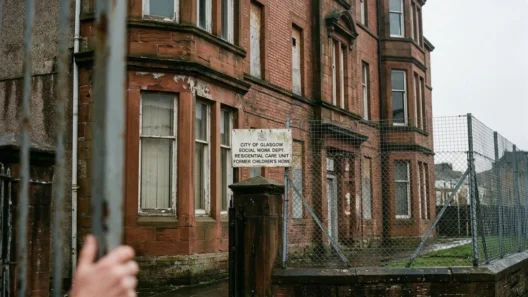
The recruitment process has moved into the digital age. No longer just happening on street corners, the grooming often starts on social media platforms like Snapchat. Gang members target kids with the promise of "easy money," designer trainers, and football shirts. It starts with a small favour and quickly escalates into a debt that the child can never repay, effectively trapping them in the system. This cycle of exploitation is a national crisis, and it often points to deeper issues in how we protect our youth, much like the cases seen in Glasgow’s Beastie House, where systemic failures left children at risk.
By moving operations into more rural areas, these gangs hope to fly under the radar of overstretched local police forces. They bring with them a level of violence that these communities are often unprepared for. The children involved are frequently victims of human trafficking, moved hundreds of miles away from home to live in squalid conditions while the bosses stay in the cities, surrounded by their gold bars and designer gear. The police closed 335 "drug lines" during this operation, but as long as the demand exists and the recruitment tactics remain effective, new lines are always ready to take their place.
A Shifting Landscape: Weapons, Vapes, and New Tactics
The nature of the trade is evolving, and the weapons found during the raids reflect an increasing trend toward extreme violence. Police recovered nearly 400 bladed weapons, including machetes, axes, and swords. Even more concerning was the seizure of 121 firearms: mostly converted weapons designed to lethal effect: and 115 other weapons like knuckledusters and crossbows. This isn't just about protection; it's about enforcement and intimidation. The threat of violence is the primary tool used to keep "runners" in line and to fend off rival gangs.
We are also seeing a shift in the products being sold. While heroin and cocaine remain the staples, there is a growing market for "spice-laced vapes," ketamine, and cannabis edibles. These products are often marketed in ways that appeal specifically to younger users, further blurring the lines between recreational use and dangerous addiction. The rise of synthetic drugs and altered vapes presents a new challenge for health services and law enforcement alike.
The logistics of the trade are also changing. The use of technology is becoming more sophisticated, not just for communication but for delivery. While we have previously looked at how prison drones are changing the way contraband enters facilities, the County Lines gangs are using similar ingenuity to move products across the UK. They are becoming more localised, setting up smaller hubs in regional towns to reduce the risk of being caught on long-distance motorway trips. This "franchising" of drug dealing makes the networks more resilient and harder to dismantle entirely.
As the police continue their efforts, the focus is increasingly on the "upstream" targets: the people at the top of the chain holding the gold bars, rather than just the children on the street. It is a complex, multi-front war that requires more than just arrests; it requires a fundamental shift in how we address poverty, social media regulation, and the protection of the most vulnerable members of our society.
The recent raids provided a rare glimpse into the inner workings of a multi-million-pound criminal industry. The combination of extreme luxury and extreme exploitation serves as a stark reminder of the challenges facing the UK today. While the seizure of gold bars and teeth makes for sensational headlines, the real story lies in the 335 drug lines closed and the hundreds of children who were potentially pulled back from the brink of a life of crime. Law enforcement remains committed to tackling these networks, but the evolving tactics of County Lines gangs suggest that this is a battle that will continue to reshape the UK's criminal justice landscape for years to come.