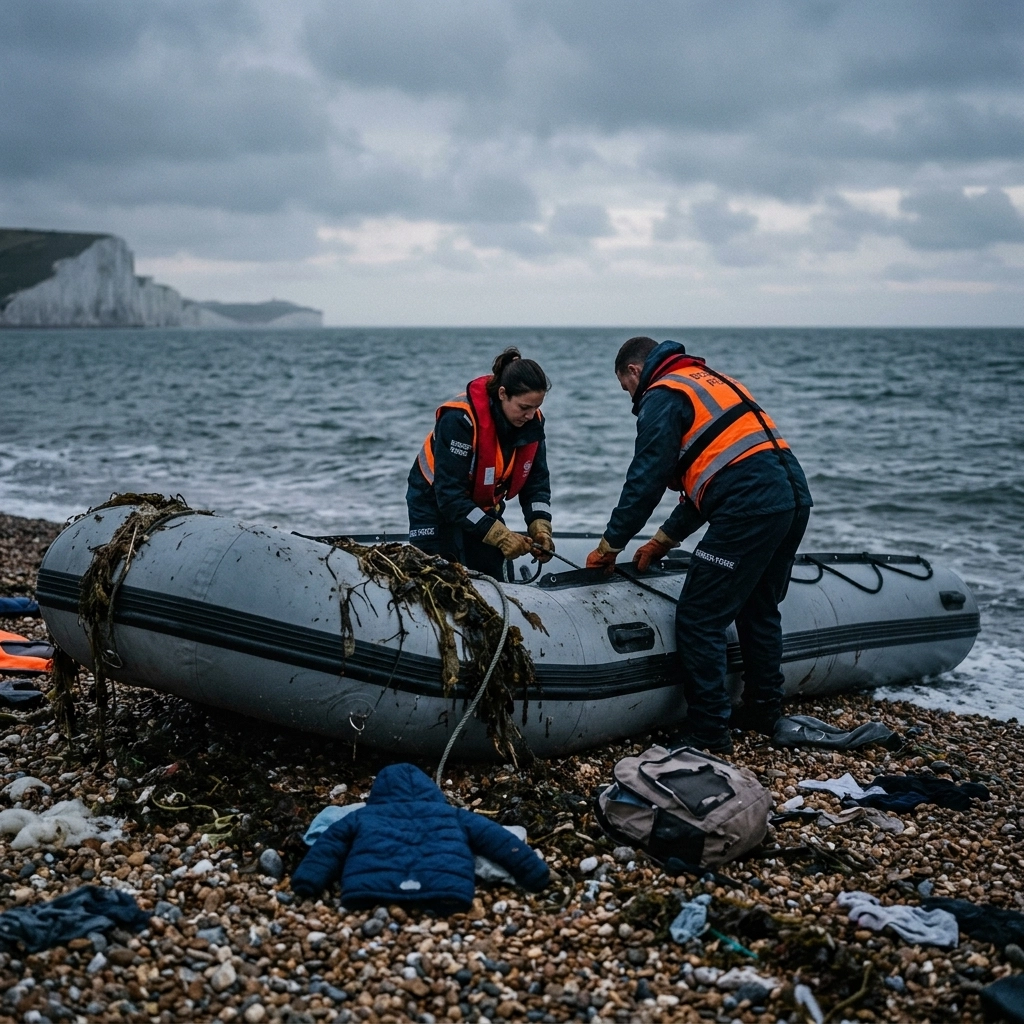
The English Channel is one of the busiest shipping lanes in the world, usually filled with massive tankers and bustling ferries. But lately, it has become the stage for a series of events that are as tragic as they are record-breaking. On a single day recently, we saw a staggering 705 people arrive on UK shores after making the perilous journey from France. It’s a number that catches the headlines, but behind every digit is a person, a family, and a story of sheer desperation.
When we look at the white cliffs of Dover, it’s easy to get caught up in the politics of borders and budgets. However, as an outlet for independent news uk, we believe it’s vital to look past the rhetoric and focus on the human reality. The scenes at the Port of Dover have become increasingly intense, with lifeboats and border force vessels working around the clock to bring people safely to land. It is a logistical and humanitarian challenge that doesn't seem to be slowing down, despite the myriad of policies aimed at "stopping the boats."
The sheer scale of 705 arrivals in twenty-four hours highlights a massive spike in activity. Weather windows: those brief moments when the sea isn't too rough: often lead to these surges. Smuggling gangs wait for these gaps, pushing as many people as possible into flimsy, overcrowded dinghies. It’s a gamble with human lives, and unfortunately, the stakes are higher than they have ever been.
The Real Human Impact Behind the Numbers
It’s often said that statistics are human beings with the tears wiped off. When we hear about record numbers, we also have to talk about the records no one wants to break: the death toll. Recently, a tragic incident near the French coast served as a grim reminder of why these crossings are so dangerous. A boat carrying dozens of people began to deflate and take on water shortly after leaving the shore. Despite the best efforts of rescuers, lives were lost in the freezing waters of the Channel.
These are the untold stories that often get buried under policy debates. We’re talking about children being passed over the sides of sinking rubber boats and parents trying to keep their families above water in the dark. Between 2018 and 2025, at least 162 people died attempting this crossing. That number jumps significantly if you include related incidents in the surrounding areas. In 2024 alone, 83 people were recorded dead or missing. What’s particularly worrying is that the boats aren't just getting more frequent; they’re getting more dangerous.
In 2020, the average boat carried about 13 people. By 2025, that number skyrocketed to an average of 62 people per boat. We’ve even seen reports of 125 people crammed onto a single vessel. These aren't sturdy ships; they are essentially large inflatable toys powered by overworked outboard motors. When you put 70 or 80 people on a craft designed for twenty, the centre of gravity shifts, and the risk of capsizing becomes almost a certainty if the sea turns. Our commitment at NowPWR is to highlight these realities as part of our editorial standards and ethics policy, ensuring that the human cost is never forgotten in the pursuit of a headline.
Navigating the High Cost of the Journey
There is a significant financial dimension to this crisis that affects everyone involved. For the migrants themselves, the journey is anything but cheap. Smugglers charge anywhere from £3,000 to £6,000 for a single spot on a dinghy. Interestingly, prices have actually dropped over the last few years: from around €14,000 in 2018 to under €4,000 recently. This "price drop" reflects a change in the business model of smuggling gangs; they are opting for volume over high individual margins, which explains the move toward massive, overcrowded boats.
On the other side of the ledger, the cost to the UK taxpayer is substantial. Beyond the immediate costs of rescue operations and border processing, the legal aid bill for migrants arriving via the Channel reached approximately £71 million over a five-year period. That works out to about £38,000 every single day. This creates a complex economic argument that often overshadows the humanitarian one. When people see record numbers like the 705 arrivals in a day, they see a system under immense strain.
However, focusing only on the money ignores the "why." Why would someone pay thousands of pounds and risk their life to sit on a crowded tube of plastic in the middle of the night? The answers are found in the untold stories of conflict, persecution, and economic collapse in their home countries. Many of those arriving are from places like Afghanistan, Iran, and Eritrea. They are often individuals who feel they have absolutely nothing left to lose. By providing a platform for independent news uk, we aim to explore these drivers without the bias often found in mainstream commentary. You can learn more about our mission on our about page.
Looking Toward a More Human Solution
The response to the Channel crisis has traditionally been one of increased enforcement. More drones, more beach patrols, and more cooperation with French authorities. Yet, as the data shows, as enforcement increases, the methods used by smugglers simply become more desperate and dangerous. By pushing the launch sites further along the coast or forcing boats to carry more people to make up for lost revenue from intercepted vessels, the risk to life increases exponentially.
There is a growing conversation about whether the current approach is working. If the goal is to save lives, the rising death toll suggests a rethink is needed. If the goal is to stop the arrivals, the record-breaking day of 705 people suggests that the "deterrents" currently in place aren't having the intended effect. It’s a classic catch-22 situation that requires a nuanced, compassionate look at international law, regional stability, and the UK’s role on the global stage.
At NowPWR, we believe that transparency is key to finding a way forward. Whether it’s discussing the climate factors that drive migration or the political decisions made in Westminster, the goal is to keep the public informed with facts rather than fear. The tragedy near Dover shouldn't just be another news cycle; it should be a catalyst for a deeper understanding of the global forces at play. We are dedicated to bringing you these perspectives, grounded in our terms of service and a commitment to fair reporting.
The situation in the English Channel remains one of the most pressing and emotive issues facing the UK today. The record 705 arrivals in a single day serve as a stark indicator that the current trends are not slowing down. As the vessels become more crowded and the journeys more perilous, the risk of further tragedy remains high. Understanding the multifaceted nature of this crisis: from the human desperation and the business of smuggling to the national economic impact: is essential for any constructive discussion on the matter. Moving forward, the focus must remain on balanced reporting that respects the complexity of the situation while acknowledging the fundamental value of human life.