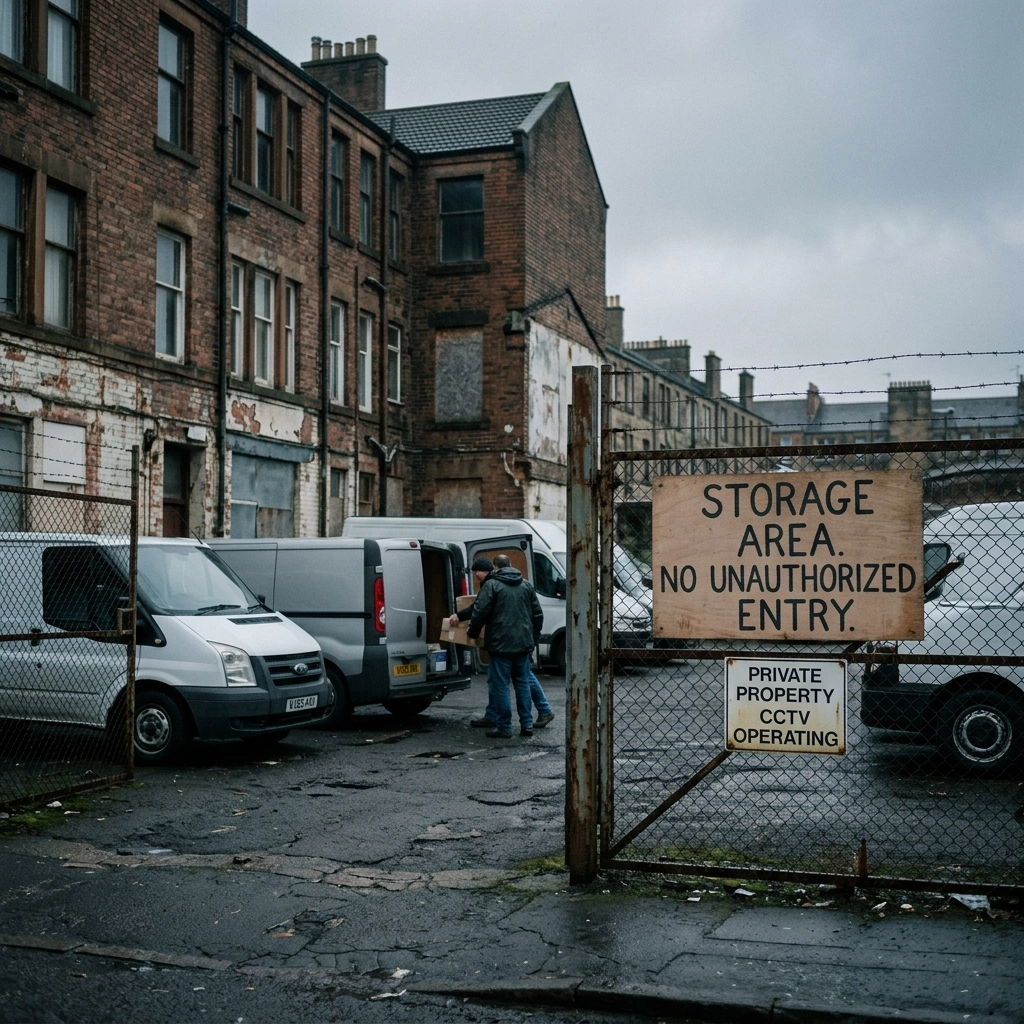
For decades, the streets of Glasgow have held secrets that most of us would find impossible to stomach. While the city is world-renowned for its vibrant culture, incredible architecture, and famously friendly locals, there is a darker side to its history that is only now being fully understood. It isn’t just a story of crime; it’s a story of systemic collapse. When we look into the "untold stories" of our urban centres, we often find that the most horrific events didn't happen in the shadows, but right under the noses of the people paid to prevent them. The case of the Glasgow paedophile ring, often centred around the notorious "Beastie House," is a haunting reminder of what happens when a community's safety net is full of holes.
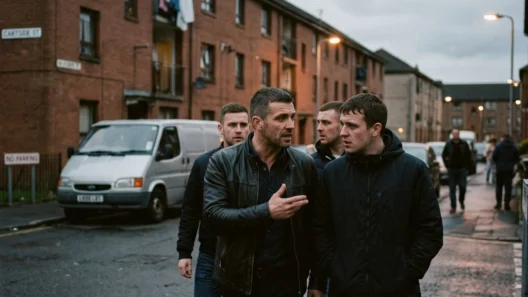
In the world of independent news uk, we often talk about transparency and accountability. However, in the late 20th century, these concepts seemed entirely absent in certain pockets of Glasgow. The residential areas of Royston and Germiston became the backdrop for an abuse network that operated with a terrifying level of brazenness. It wasn't a hidden underground cult; it was a group of men who lived in the neighbourhood, socialised in the local pubs, and walked the same pavements as the children they were victimising. The failure to stop them wasn't just a lapse in judgement by a few individuals: it was a total breakdown of safeguarding at every level of the state.
The Open Secret of the Beastie House
To understand how this happened, you have to look at the environment of the time. The term "Beastie House" wasn't a name coined by the police or the press years later; it was a name used by the children themselves. They knew which doors to avoid and which houses were dangerous. It is a chilling thought that a nickname for a site of horrific abuse could become common parlance among local youth while the authorities remained seemingly oblivious. This highlights one of the most significant failures in this tragedy: the gap between community knowledge and official action.
The ring didn't just survive on secrecy; it thrived on a culture of intimidation and the exploitation of poverty. Many of the families targeted were already struggling, making them less likely to be heard or believed if they raised concerns. The perpetrators, including figures like Brian Ronald, used their positions within the community to build a sense of twisted normalcy. They would offer small gifts or money, creating a grooming process that extended beyond individual children to include the community itself. Because independent news uk focuses on these deeper societal layers, we can see that the ring stayed hidden because it was wrapped in a layer of social deprivation that the rest of the city preferred not to look at too closely.
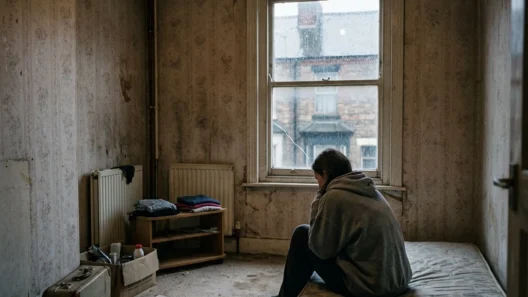
For years, reports filtered through, but they were often dismissed as "neighbourhood disputes" or "unreliable testimony." The survivors of this ring have since shared their untold stories, describing a world where they felt completely abandoned. They saw police cars patrolling their streets and social workers visiting their neighbours, yet the "Beastie House" remained open for business. This creates a psychological scar that lasts much longer than the physical abuse itself: the realization that the people who were supposed to protect you were either incapable or unwilling to do so.
Why the Red Flags Were Ignored
When we look back at the case files, the number of "red flags" is staggering. There were police reports, hospital admissions, and school truancy records that all pointed toward a coordinated effort of exploitation. So, why was nothing done? Part of the issue lies in the siloed nature of public services at the time. Social services didn't talk to the police, and the police didn't always share information with the schools. This lack of communication created "blind spots" that the ring was able to exploit for nearly thirty years.
There was also a significant element of "institutional disbelief." During the 1980s and 90s, the idea of a large, organised paedophile ring operating in a working-class Glasgow scheme was often dismissed as a conspiracy theory or a moral panic. Even when evidence was presented, it was frequently downgraded. This is a recurring theme in many of the untold stories we cover; the victims are often blamed for their own circumstances, or their accounts are treated with a level of scepticism that wouldn't be applied to other types of crime. At NowPWR, we believe in looking at these events through a lens of editorial-standards-ethics-policy to ensure that the human element is never lost in the bureaucratic shuffle.
Furthermore, the legal system in Scotland at the time was not equipped to handle such complex, multi-victim cases. The burden of proof was exceptionally high, and the process of giving evidence was often re-traumatising for the young survivors. Many cases were dropped before they even reached court because prosecutors felt they didn't have a "guaranteed win." This prioritisation of conviction rates over victim safety is a classic example of a safeguarding failure. It sent a message to the perpetrators that they were untouchable, and a message to the victims that their suffering wasn't worth the paperwork.
The Long Road to Accountability and Change
The eventual exposure and prosecution of the ring members didn't happen because the system suddenly started working. It happened because the survivors grew up and refused to be silent any longer. It was their persistence, along with the work of dedicated journalists and investigators, that finally broke the silence. These individuals had to carry the weight of their trauma for decades before seeing even a glimmer of justice. The resulting inquiries into Glasgow’s social work departments and police force revealed a "catalogue of failures" that shocked the nation, but for the people of Royston, it was simply a confirmation of what they had known for years.
Today, safeguarding looks very different, at least on paper. We have integrated children’s services, better data sharing, and a much greater awareness of how grooming works. However, the legacy of the Glasgow failure remains a cautionary tale. It teaches us that "independent news uk" is vital for keeping a spotlight on the corners of society that the state might otherwise ignore. You can find more about how we cover these complex social issues in our inside section, where we dive deeper into the mechanics of governance and its failures.
The real tragedy isn't just what happened inside those houses; it’s the fact that it was allowed to continue for so long. Every time a report was filed and ignored, every time a social worker turned a blind eye, and every time a police officer failed to follow up on a tip, the ring was strengthened. To ensure this never happens again, we must listen to the "untold stories" of the most vulnerable members of our society. We have to move past the era of institutional disbelief and create a culture where the safety of a child is valued more than the reputation of a department or the convenience of the status quo. Glasgow has changed significantly since the dark days of the Beastie House, but the lessons learned from that failure must never be forgotten.
The survivors of the Glasgow ring have shown incredible bravery in coming forward, often facing their abusers in court decades after the facts. Their journey highlights the need for a legal and social system that is truly victim-centric. While we can't change the past, we can ensure that the current systems are robust enough to catch the warning signs early. This means investing in community policing, supporting social workers with manageable caseloads, and fostering an environment where children feel safe to speak out. The failure in Glasgow was a monster of our own making: a result of neglect, poverty, and institutional arrogance. By acknowledging these "untold stories," we take the first step toward making sure history doesn't repeat itself.