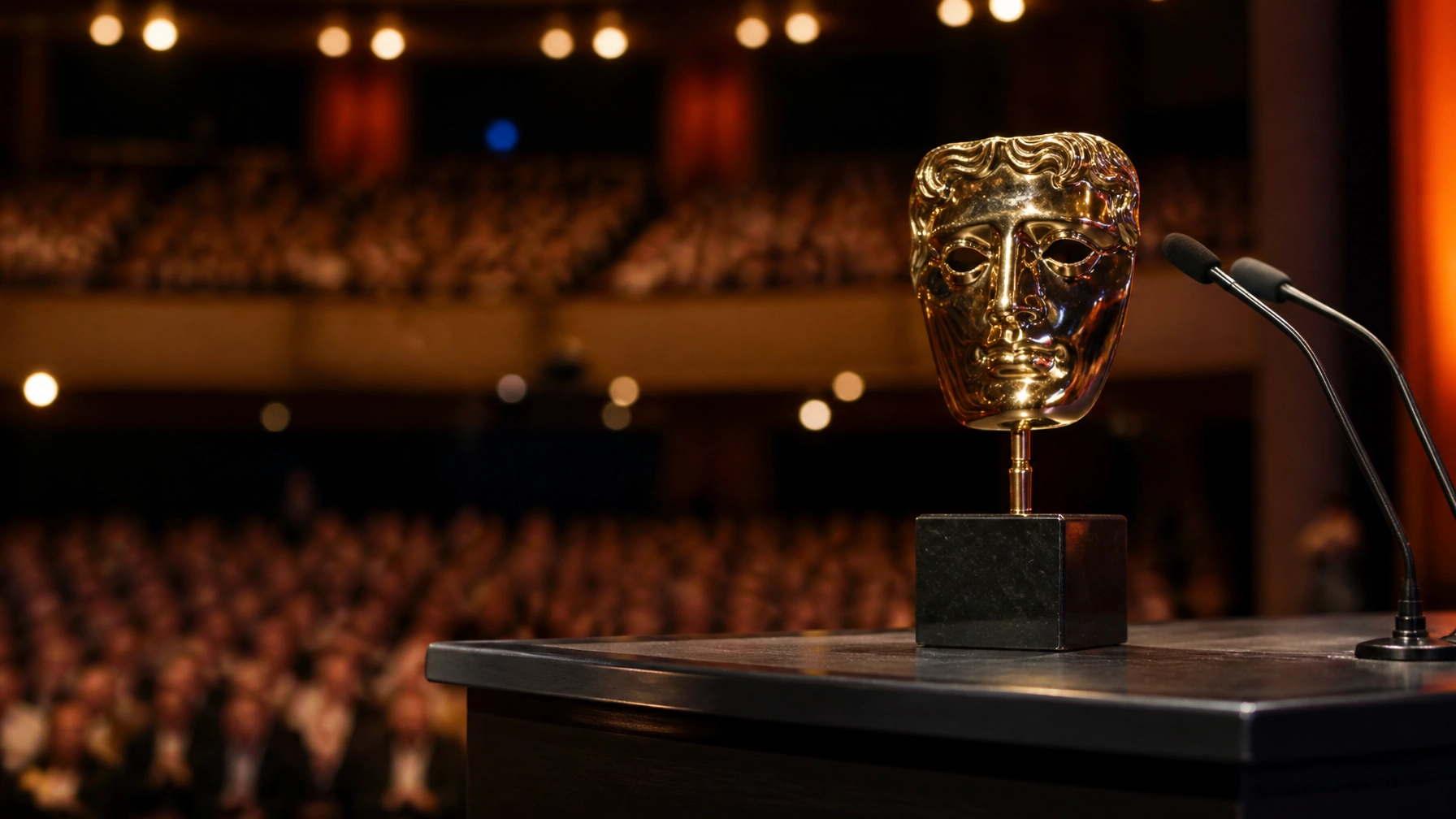
The 2026 BAFTA Television Awards, held at London’s Royal Festival Hall, concluded with a historic night for the Netflix drama Adolescence. The series secured four trophies, marking the highest number of wins for a single project in the history of the ceremony. Hosted by Greg Davies and broadcast to millions, the event served as a definitive coronation for a production that has transitioned from a word-of-mouth hit to a significant cultural milestone.
Stephen Graham took home the Leading Actor award for his portrayal of Eddie Miller, a performance that has been widely lauded for its raw emotional depth and realism. Graham’s win was followed by successes in the supporting categories, where Christine Tremarco won Supporting Actress for her role as Manda Miller and sixteen-year-old Owen Cooper made history as one of the youngest-ever recipients of the Supporting Actor award for his portrayal of Jamie Miller. The evening consolidated the show's position as the dominant force in British television this year, following a successful run through previous awards circuits.
The drama, which explores the complexities of family life and the judicial system through the lens of a single, harrowing event, has resonated deeply with audiences across the United Kingdom. Its success at the BAFTAs is seen by many industry insiders as a validation of long-form, character-driven storytelling that refuses to shy away from difficult social realities. While other major winners of the night included the ITV1 thriller Code of Silence for Drama Series and the BBC comedy Amandaland, the narrative of the evening belonged firmly to the cast and crew of Adolescence.
A Groundbreaking Approach to Storytelling
The technical and narrative construction of Adolescence has been a subject of intense discussion since its debut. Unlike many contemporary dramas that rely on rapid editing and high-concept plot twists, this production utilised a continuous-shot technique in several key episodes, forcing the audience to stay present in the uncomfortable, intimate spaces of the Miller family home. This stylistic choice was not merely a technical flourish; it served to heighten the claustrophobia and tension inherent in the script, written by some of the industry’s most respected voices. By focusing on the minute details of domestic life under extreme pressure, the show managed to bypass standard procedural tropes, offering instead a profound look at the ripple effects of trauma.
Critics have noted that the success of the series at the BAFTAs highlights a shift in viewer appetite towards more demanding, authentic content. In an era where digital consumption often favours bite-sized entertainment, Adolescence proved that there is still a massive audience for a slow-burn narrative that requires full attention. The production team’s commitment to realism extended to its casting and location choices, opting for gritty, recognisable settings that felt lived-in rather than staged. This commitment to truth was a recurring theme in the acceptance speeches throughout the night, with the producers thanking the local communities that hosted the filming for their support and for sharing their own stories.
The dialogue in the series has also been praised for its naturalistic British cadence, avoiding the polished, often Americanised scripts that have become common in global streaming releases. By maintaining a fiercely local identity, the show paradoxically achieved universal appeal, proving that specific, well-told stories about British life can command a global stage. The four BAFTA wins reflect the industry's recognition of this achievement, rewarding a project that prioritised emotional honesty over commercial safety.
A Performance That Defined a Generation
Stephen Graham’s win in the Leading Actor category was perhaps the most anticipated moment of the ceremony. His portrayal of a father navigating the wreckage of his son’s actions has been described as a masterclass in subtlety. Graham has long been a staple of British drama, but his work in Adolescence is being hailed as a career-defining performance. In his acceptance speech, he dedicated the award to his co-stars, particularly the younger cast members, highlighting the collaborative nature of the production. His ability to anchor the series while allowing space for newcomers like Owen Cooper to shine was a key factor in the show’s overall balance.
The emergence of Owen Cooper as a major talent has been one of the most significant talking points of the season. At just sixteen, Cooper’s portrayal of Jamie Miller required a level of maturity and restraint rarely seen in actors of his age. His win for Supporting Actor is not just a personal victory but a signal to the industry regarding the importance of investing in and mentoring young talent. The chemistry between Graham and Cooper provided the emotional heartbeat of the series, creating a believable and heartbreaking father-son dynamic that felt entirely authentic to the British experience.
Christine Tremarco’s win for Supporting Actress further illustrated the depth of the show’s ensemble. Her performance as Manda Miller provided a necessary counterpoint to Graham’s Eddie, depicting a mother’s quiet, devastating resilience. The fact that three out of the four acting BAFTAs in the drama categories went to a single show is an almost unprecedented feat, suggesting that the casting directors and performers achieved a level of synchronicity that is rare in modern television. This sweep of the acting awards suggests that the power of the series lay primarily in its human elements, rather than just its structural or technical innovations.
Shaping the Future of British Television
The impact of Adolescence extends beyond the trophy cabinet, as the series has sparked a wider conversation about the state of the British creative industries. Its success on a global streaming platform like Netflix, while remaining quintessentially British in its themes and execution, provides a blueprint for future productions. It demonstrates that local stories do not need to be diluted to find an international audience. Furthermore, the show’s focus on the "untold" aspects of the legal system and the social care sector has prompted discussions in the real world, with several advocacy groups praising the drama for its sensitive handling of complex issues.
The sheer volume of engagement the show generated on social media and in traditional news outlets throughout the awards season indicates a public desire for television that serves as a mirror to society. As mainstream media continues to evolve, the success of Adolescence suggests that the future of the medium may lie in a return to its roots: strong, uncompromising drama that tackles real problems and starts real conversations. The BAFTAs have effectively cemented this show as a historical marker for this period of television history, much like other groundbreaking dramas before it that defined their respective eras.
As the awards season draws to a close, the focus turns to what the creators of Adolescence will do next. There is already significant speculation regarding a second season or a thematic follow-up, though the producers have remained tight-lipped, suggesting that the story of the Miller family may have reached its natural conclusion. Regardless of whether the show continues, its legacy is secure. The four BAFTA trophies will stand as a testament to a project that took risks, championed new talent, and told a story that resonated with the hearts and minds of a nation.
The final tally for the night saw Adolescence leading the pack, followed closely by the comedy Amandaland with three wins and the documentary series The Blue Line with two. The ceremony ended with a standing ovation for the entire Adolescence team, a fitting tribute to a production that has dominated the cultural zeitgeist for the past year. With the 2026 awards season now concluded, the industry looks forward to a new year of storytelling, inspired by the high bar set by this year's dominant winner.