The return of Andy Burnham to Westminster has been confirmed with a resounding victory in the Makerfield by-election, marking a significant shift in the British political landscape. In a result that sent shockwaves through both the Labour leadership and the opposition benches, the former Mayor of Greater Manchester secured just under 55 per cent of the total vote share. The victory, announced in the early hours of Friday morning, sees Burnham return to the House of Commons with a majority of 9,231 votes, a substantial increase on the margin held by his predecessor.
The by-election was triggered by the unexpected resignation of Josh Simons, who stepped down earlier this month in a move widely interpreted as an engineered opportunity for Burnham’s return. The campaign was fought with an intensity rarely seen in mid-term contests, with national media descending on the north-western constituency to witness what many described as a referendum on the current direction of the government. For the people of Makerfield, the choice was clear, and they have opted for a familiar face who has spent the last nine years building a reputation as a fierce advocate for regional devolution and northern interests.
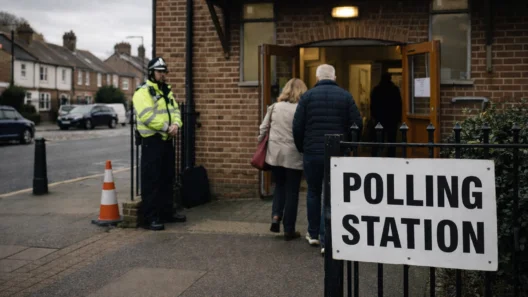
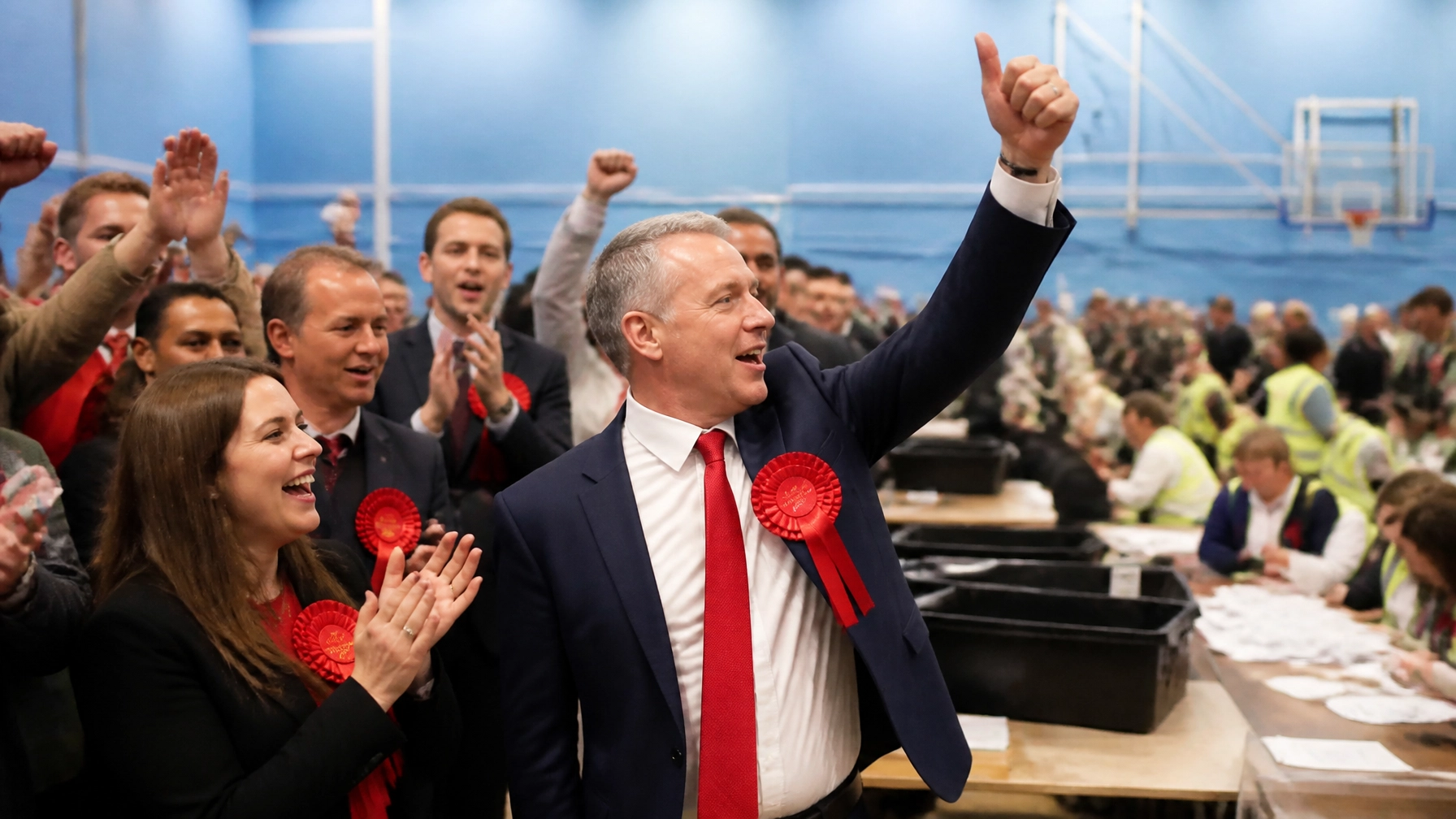
Turnout for the contest was notably high for a by-election, reaching 58.8 per cent. This figure represents a significant increase from the 2024 general election, suggesting that the presence of a high-profile candidate like Burnham acted as a catalyst for voter engagement. The atmosphere at the count was electric, with Labour activists sensing a historic moment long before the final boxes were tallied. As the results were read out, the cheers from the red-rosette-wearing supporters drowned out the technical announcements, signaling the start of a new chapter for the party in its traditional heartlands.
A Landmark Victory in the North-West
The scale of Burnham’s victory in Makerfield cannot be understated. By securing 24,927 votes, he has not only reclaimed a seat for the Labour and Co-operative Party but has done so with a mandate that far exceeds recent expectations. The campaign focused heavily on local issues, ranging from the state of public transport in Greater Manchester to the regeneration of former industrial towns that feel left behind by the Westminster consensus. Burnham’s ability to bridge the gap between regional governance and national policy appears to have resonated deeply with a constituency that has often felt ignored by the London-centric political machine.
During his victory speech, Burnham was careful to frame his return as a homecoming rather than a mere career move. He spoke of the "unbreakable bond" between himself and the people of the north-west, promising to bring the lessons he learned as Mayor back to the floor of the House of Commons. His rhetoric suggested a broader mission, one that involves challenging the centralisation of power and demanding a fairer distribution of resources across the United Kingdom. This message of regional empowerment was a cornerstone of his campaign and seems to have successfully insulated him from the broader frustrations often directed at national political figures.
The significance of the 9,231-vote majority is particularly poignant given the current political climate. It represents a substantial improvement on the 5,399 majority achieved in the 2024 general election, proving that even after years of holding high-profile executive office, Burnham retains a unique appeal to the working-class electorate. His supporters argue that this result vindicates his "common-sense" approach to politics, which often sits at odds with the more cautious, technocratic style favored by the current Labour frontbench. As he prepares to take his seat once again, the question of how he will balance his local roots with his national responsibilities remains a topic of intense debate among political commentators.
The Reform UK Surge and Its Limits
While the night belonged to the Labour Party, the performance of Reform UK provided a stark reminder of the changing dynamics in British politics. Rob Kenyon, representing Reform UK, secured approximately 15,700 votes, equating to 34 per cent of the total. This result is the strongest showing for the party in the region to date, comfortably pushing the Conservatives into a distant third place. Kenyon’s campaign tapped into a vein of populist discontent, focusing on immigration, the cost of living, and a general sense of disillusionment with the established political order.
The Reform UK surge in Makerfield suggests that the party is increasingly becoming the primary vehicle for protest votes in traditional Labour areas. Kenyon’s ability to attract more than a third of the electorate indicates that there is a significant portion of the population that feels unrepresented by the mainstream parties. Throughout the campaign, Reform UK activists were highly visible on the doorsteps, arguing that the return of a "Westminster insider" like Burnham was exactly what the area did not need. However, the final result shows that while their message is gaining ground, it was not enough to overcome the personal popularity and established machinery of the Burnham campaign.
The rejection of the Conservative Party was equally notable, with their candidate failing to make any significant impact on the race. The collapse of the Tory vote in a seat that was once a target for the party underscores the difficulties they face in reconnecting with voters in the north of England. The by-election has effectively turned Makerfield into a two-horse race between Labour’s traditional social democracy and the rising populism of Reform UK. For Burnham, navigating this divide will be one of his most significant challenges as he looks to represent a constituency that is clearly divided on the best path forward for the country.
A Direct Challenge to the Status Quo
The most consequential aspect of this by-election lies not in the local results, but in the national implications for the Labour Party leadership. Burnham’s return to Parliament was explicitly facilitated to allow him to be a player on the national stage during a period of perceived vulnerability for Prime Minister Keir Starmer. By entering the Commons now, Burnham becomes immediately eligible to participate in any future leadership contests, a fact that has not been lost on his colleagues or the wider public. His victory speech, in which he called the result a "turning point" and Labour’s "final chance to change," was widely interpreted as a manifesto for a different kind of leadership.
The tension between Burnham and the current party leadership has been simmering for years, often surfacing during his tenure as Mayor. His advocacy for a more radical approach to wealth redistribution and his criticism of the "Westminster bubble" have made him a hero to the party’s left and a source of anxiety for the centrists. Now that he is a Member of Parliament once again, he has a platform to voice these criticisms directly in the chamber and on the influential select committees. The presence of a "King in the North" on the backbenches is likely to embolden those within the party who feel that the current government has become too cautious.
As the political dust settles in Makerfield, the focus now shifts back to London. Burnham’s arrival is expected to galvanise a segment of the Labour Party that has been searching for a more charismatic and populist alternative to the status quo. While he has publicly stated his intention to support the government, his rhetoric suggests a desire to push them in a more ambitious direction. Whether this leads to a direct challenge for the leadership or a gradual shift in policy remains to be seen, but one thing is certain: the decisive win in Makerfield has fundamentally altered the internal power balance of the Labour Party, ensuring that the voice of the north will be heard more loudly than ever before in the halls of Westminster.