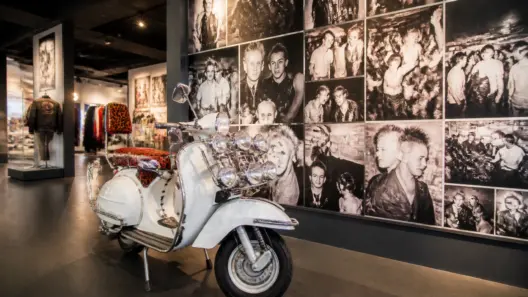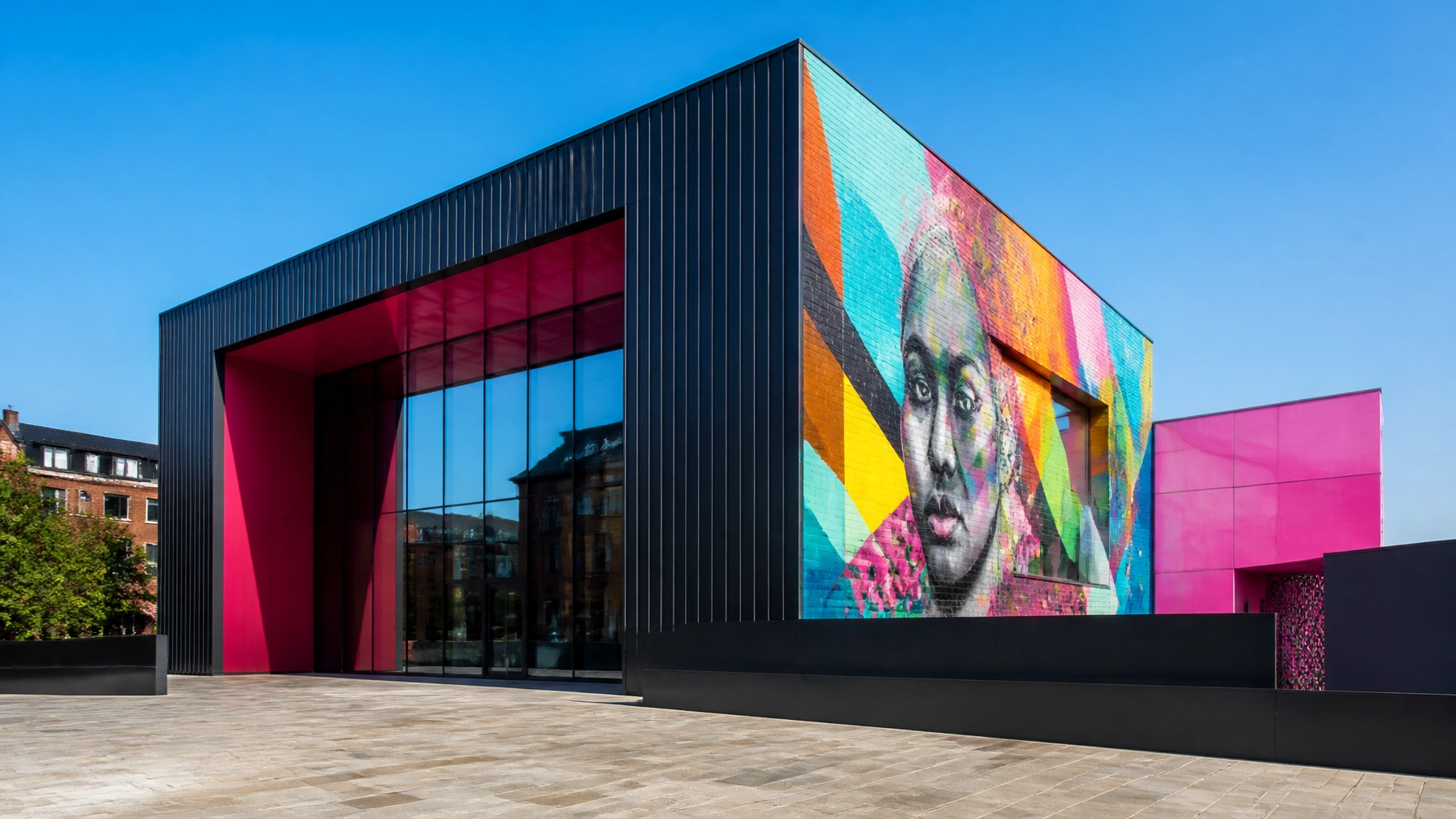
Camden Town has long served as the beating heart of London’s alternative scene, a place where fashion, music, and rebellion have historically collided to create global trends. It is therefore fitting that this North London borough has been chosen as the site for the world’s first permanent Museum of Youth Culture. Opening its doors at 51 St Pancras Way, this landmark institution marks a significant moment in the preservation of British social history. Spanning 6,500 square feet, the museum is dedicated to documenting the sounds, styles, and social movements that have defined young people in Britain from the post-war era to the present day.
For decades, youth culture was often dismissed as a fleeting phase or a series of market-driven trends. However, this new space treats the movements of the last century with the academic and cultural rigour they deserve. From the sharp tailoring of the Mods and the DIY ethos of the Punks to the neon-soaked energy of the Rave era and the rise of Grime, the museum provides a comprehensive look at how young people have used style and sound to carve out their own identities. The opening comes after years of temporary exhibitions and digital archiving, finally giving a physical home to a collection that celebrates the spirit of the teenager.
The museum is not merely a collection of vintage clothing and old records; it is a living archive. Its mission is to capture the lived experience of growing up in Britain, often through the eyes of those who were actually there. By focusing on grassroots history rather than mainstream narratives, the museum offers a unique perspective on how social change is often driven from the bottom up. As visitors walk through the three distinct gallery spaces, they are invited to explore the intersection of politics, economics, and creativity that has shaped every generation since the 1940s.
A permanent home for British subcultures
The journey to establishing a permanent site has been a long-term project for the curators and historians involved. Previously operating as a "museum without walls," the organisation spent years gathering photographs, oral histories, and ephemera from the public. This democratic approach to archiving means that the collection is remarkably diverse, featuring contributions from ordinary people across the UK who kept their old flyers, customised jackets, and zines. The move to Camden represents a coming-of-age for the project, transitioning from a series of successful pop-up galleries into a major cultural fixture.
Inside the new facility at the St Pancras Campus, the space is designed to be immersive. The three gallery halls are equipped to handle large-scale photographic prints, fashion displays, and audio-visual installations. This allows the museum to showcase the full spectrum of youth expression. One section might focus on the meticulously curated looks of the 1960s Soul boys, while another explores the influence of Caribbean sound system culture on the British music landscape. By housing these stories under one roof, the museum highlights the common threads of rebellion and community that link different subcultures across the decades.
The choice of Camden as a location is deliberate. The area has an unparalleled reputation as a crucible for new ideas. Whether it was the Roundhouse hosting legendary psychedelic rock shows in the sixties or the stables market becoming a hub for goth and cyber-punk fashion in the nineties, Camden has always been a sanctuary for those who felt they didn't fit into the mainstream. By placing the museum here, the curators are anchoring the history of youth culture in a landscape that continues to be defined by it. The facility aims to be more than just a tourist attraction; it is intended to be a resource for the local community, offering workshops and educational programmes for the next generation of creatives.
From pop-up projects to a landmark institution
The transition to a permanent brick-and-mortar site was not without its challenges. Recent years have seen several delays, including logistical hurdles and site-specific issues such as a basement leak that pushed back the initial opening dates. However, the persistence of the museum’s team has ensured that the vision remained intact. The funding and support for the project reflect a growing recognition of the economic and cultural value of youth heritage. In a city where many iconic music venues and social spaces are facing closure due to redevelopment, the establishment of this museum serves as a vital counterpoint, preserving the history of spaces that might otherwise be forgotten.
What sets this institution apart is its commitment to the "amateur" eye. While traditional museums might focus on high fashion or famous musicians, the Museum of Youth Culture prides itself on the "Snapshot" : the blurry, candid photos taken at a house party or a street corner. These images provide a far more accurate depiction of youth life than staged professional photography. The archive now holds over 150,000 such images, many of which are being displayed for the first time in the new gallery spaces. This vast digital and physical archive acts as a time capsule, showing how fashion was adapted on the streets rather than just how it appeared in magazines.
This focus on authentic history extends to the fashion on display. Visitors can expect to see authentic pieces of clothing that have been worn, mended, and modified by their owners. These garments tell stories of identity and belonging. For many, the clothes they wore as teenagers were a uniform of resistance or a badge of membership to a specific tribe. By displaying these items alongside personal testimonies, the museum bridges the gap between the past and the present, allowing older generations to reminisce while showing younger visitors the roots of the styles they see today.
Preserving the legacy of Camden’s creative spirit
As the museum opens its doors, it faces the task of remaining relevant in a rapidly changing digital world. Today’s youth culture is often mediated through social media, with trends appearing and disappearing in a matter of weeks. The museum addresses this by looking at the continuity of human experience. While the technology has changed, the underlying themes of youth: the desire for independence, the need for self-expression, and the power of collective movements: remain the same. The permanent site will feature rotating exhibitions that look at contemporary movements alongside historical ones, ensuring that the archive continues to grow in real-time.
The impact of this museum is expected to reach far beyond the borders of London. As the first of its kind globally, it sets a precedent for how other nations might preserve their own youth histories. It acknowledges that the transitional period of adolescence and young adulthood is one of the most creatively fertile times in a person's life. By validating these experiences, the museum encourages a deeper understanding of the social shifts that have occurred in Britain over the last eighty years. It also serves as a reminder of the importance of "third spaces": places outside of home and work where young people can gather and innovate.
The museum will be open from Wednesday to Sunday, providing a consistent presence in the Camden cultural landscape. Its arrival is a testament to the enduring power of British creativity and the importance of looking back to understand where we are going. For the residents of Camden and the wider public, the opening on St Pancras Way is not just the launch of a new building, but the start of a new chapter in the storytelling of the British people. It ensures that the stories of the ravers, the skaters, the mods, and the rockers are not lost to time, but are instead celebrated as a core part of the nation’s heritage.