








The historic skyline of West London has been transformed as the iconic Olympia exhibition centre officially reopens its doors this week.
Following a comprehensive six-year redevelopment programme costing £1.3 billion, the site has transitioned from a traditional event space into a world-class cultural and business destination. The reopening marks a significant milestone for the capital’s infrastructure, bringing one of its most cherished Victorian landmarks into the modern era while significantly expanding its capacity and functionality.
The grand reopening, which commenced on Monday, saw the first wave of visitors return to the heritage exhibition halls. These spaces have undergone meticulous restoration to preserve their original architectural integrity while integrating cutting-edge technology and sustainability features. The project represents one of the largest private investments in the UK’s leisure and cultural sectors in recent years, signalling a robust confidence in the future of live events and international business tourism in London.
Central to the redevelopment is the seamless blend of history and innovation. For over 130 years, this site has hosted everything from the Ideal Home Show to massive international trade fairs. Now, it stands ready to host a new generation of events with upgraded facilities that meet modern environmental and logistical standards. The first events of the summer season are already underway, with the venue booked well into the future, indicating a strong appetite from global organisers to return to this refurbished West London hub.
A New Chapter for a Historic Landmark
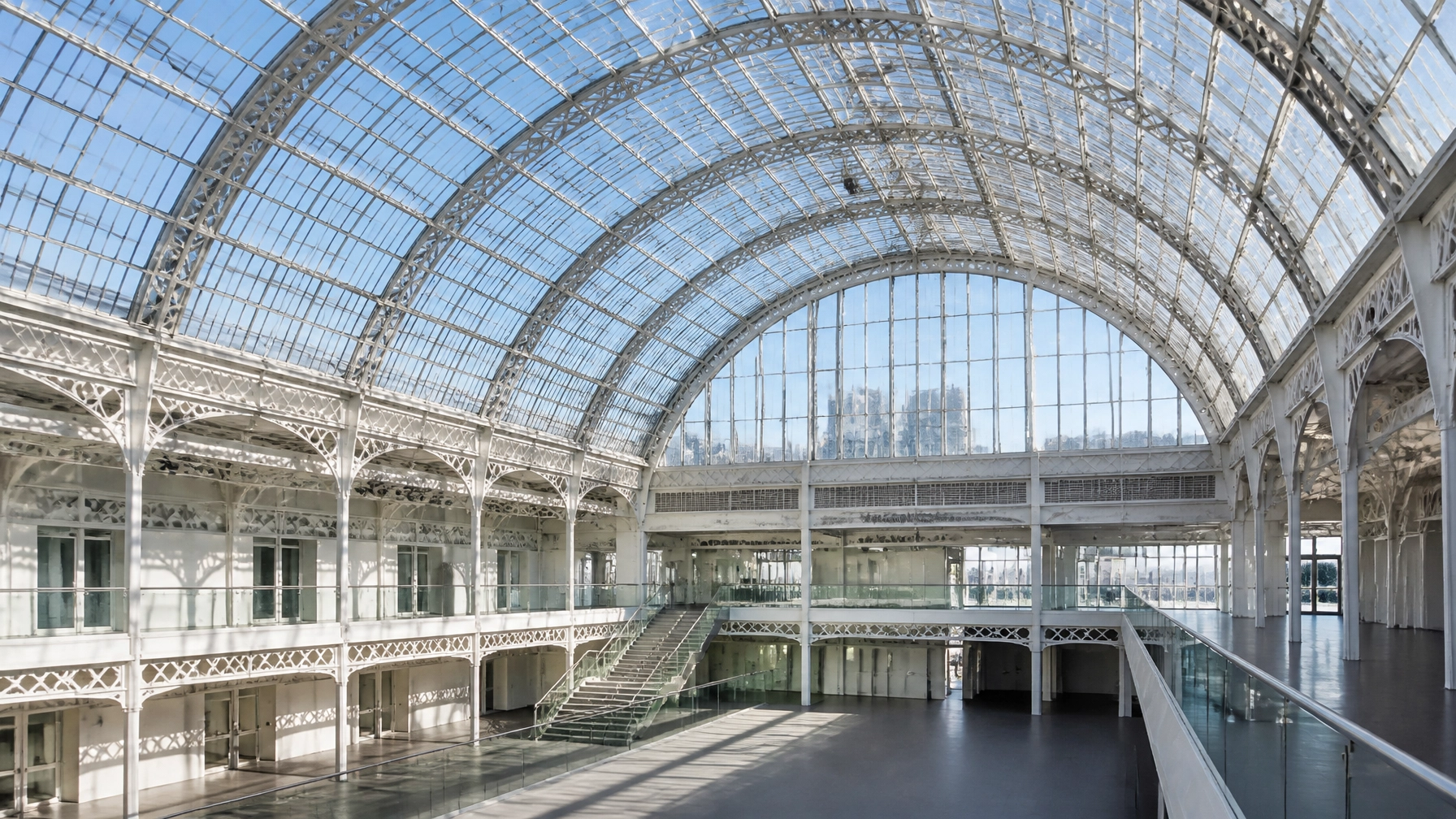
Since its inauguration in 1886, the exhibition centre has been a cornerstone of London’s social and commercial life. The £1.3 billion revamp was designed specifically to protect this heritage while addressing the limitations of the ageing structure. The famous vaulted glass roofs, which have become a symbol of the area, have been carefully cleaned and reinforced, allowing natural light to flood the massive exhibition floors just as it did in the late 19th century. However, beneath the surface of this Victorian elegance lies a completely modernised infrastructure.
The redevelopment has not only focused on aesthetics but also on internal flow and visitor experience. New walkways and public spaces have been created to ensure that the site is more accessible than ever before. By opening up previously restricted areas, the developers have managed to integrate the site more effectively into the surrounding Kensington and Hammersmith community. This is no longer just a gated venue for ticket holders; it is designed to be a vibrant part of the urban fabric, offering public realms that connect the various new buildings across the 14-acre site.
In addition to the heritage halls, the site now boasts the International Convention Centre (ICC). This purpose-built facility is a key component of the upgrade, providing London with a high-capacity venue specifically designed for global summits and corporate gatherings. The ICC has already secured high-profile bookings, including the World Ports Conference, highlighting its immediate impact on the city’s ability to compete with other major global business hubs. The integration of the ICC alongside the historic halls allows for a unique flexibility, where large-scale exhibitions can run concurrently with private conferences and seminars.
Economic Impact and Community Integration
The financial implications of the Olympia project extend far beyond the construction costs. Economic analysts and the project developers estimate that once the site is fully operational, it will contribute more than £600 million annually to the UK economy. This significant injection of capital is expected to ripple through the local economy, benefiting hotels, restaurants, and transport services across West London. The project is a primary driver for local employment, with approximately 7,000 jobs created or supported directly by the activities at the new destination.
Visitor numbers are projected to reach 3.5 million annually, a figure that would make it one of the most visited locations in the city. To accommodate this influx, the redevelopment included a comprehensive plan for hospitality and retail. The site now features a diverse array of food and drink options, ranging from casual eateries to high-end dining, alongside boutique retail spaces. These additions are intended to keep the area active throughout the day and evening, moving away from the "dark days" of the past when the venue would sit empty between major exhibitions.
Furthermore, the integration of office spaces within the development introduces a permanent working population to the site. Over 550,000 square feet of modern office space has been created, attracting creative and tech industries that value the unique character of the location. This mix of permanent workers, event delegates, and casual tourists creates a balanced ecosystem that ensures the £1.3 billion investment delivers value every day of the week. The focus on sustainability throughout the construction phase also ensures that the economic benefits do not come at an environmental cost, with carbon-neutral targets and energy-efficient systems installed across the board.
Future-Proofing London’s Cultural Landscape
Perhaps the most exciting addition to the site is the British Airways ARC, a brand-new 3,800-capacity music and performing arts venue. This space fills a crucial gap in London’s cultural infrastructure, providing a mid-sized arena that is large enough for major touring artists but intimate enough for unique performances. The venue opened its doors this week with a series of acclaimed performances, demonstrating its state-of-the-art acoustics and versatile staging capabilities. The ARC is expected to become a staple of the UK’s live music scene, hosting around 800 events annually across the entire Olympia campus.
Beyond music, the cultural offering includes a new theatre and a dedicated space for the arts, ensuring that the development appeals to a broad demographic. The strategy is clear: to move beyond the traditional "trade show" model and create a destination that offers something for everyone. Whether it is a local resident visiting a rooftop bar, a business traveller attending a keynote speech, or a music fan seeing their favourite band, the new Olympia is designed to be a multi-functional hub that operates sixteen hours a day.
As the phased opening continues throughout the summer of 2026, more hospitality and leisure spaces will come online. This gradual rollout allows the site to find its rhythm and ensure that every element meets the high standards expected of such a massive investment. The success of the reopening signals a new era for West London, proving that with the right vision and investment, historic assets can be adapted to meet the demands of the 21st century without losing the character that made them special in the first place. The completion of this project ensures that Olympia will remain at the heart of London’s cultural and economic life for another century.