A groundbreaking new facility has opened its doors in Smethwick this week, marking a significant shift in how local healthcare services approach the daunting prospect of surgery for young patients.
The newly unveiled sensory room, specifically designed to mitigate the intense anxiety children often face before operations, represents a major investment in the emotional and psychological well-being of the community's youngest residents. This dedicated space offers a stark contrast to the traditional, often sterile clinical environments that can trigger fear and distress in children, providing instead a sanctuary of light, sound, and tactile exploration.
The project, which has been in development for over eighteen months, aims to bridge the gap between admission and the anaesthetic room. For many children, the moments leading up to a procedure are the most traumatic, leaving lasting impressions that can lead to a lifelong fear of medical settings. By introducing a "healing through play" philosophy, the facility allows children to engage their senses and regulate their nervous systems in a controlled, soothing environment. Local health officials believe that by reducing pre-operative stress, they can also improve clinical outcomes, as calmer patients typically require less sedation and experience smoother recoveries.
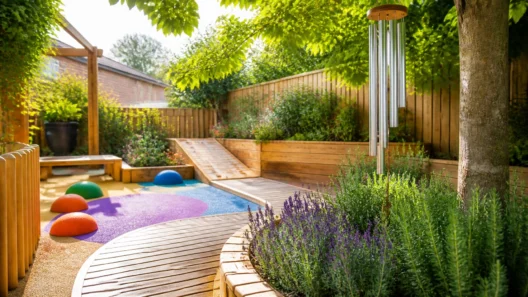
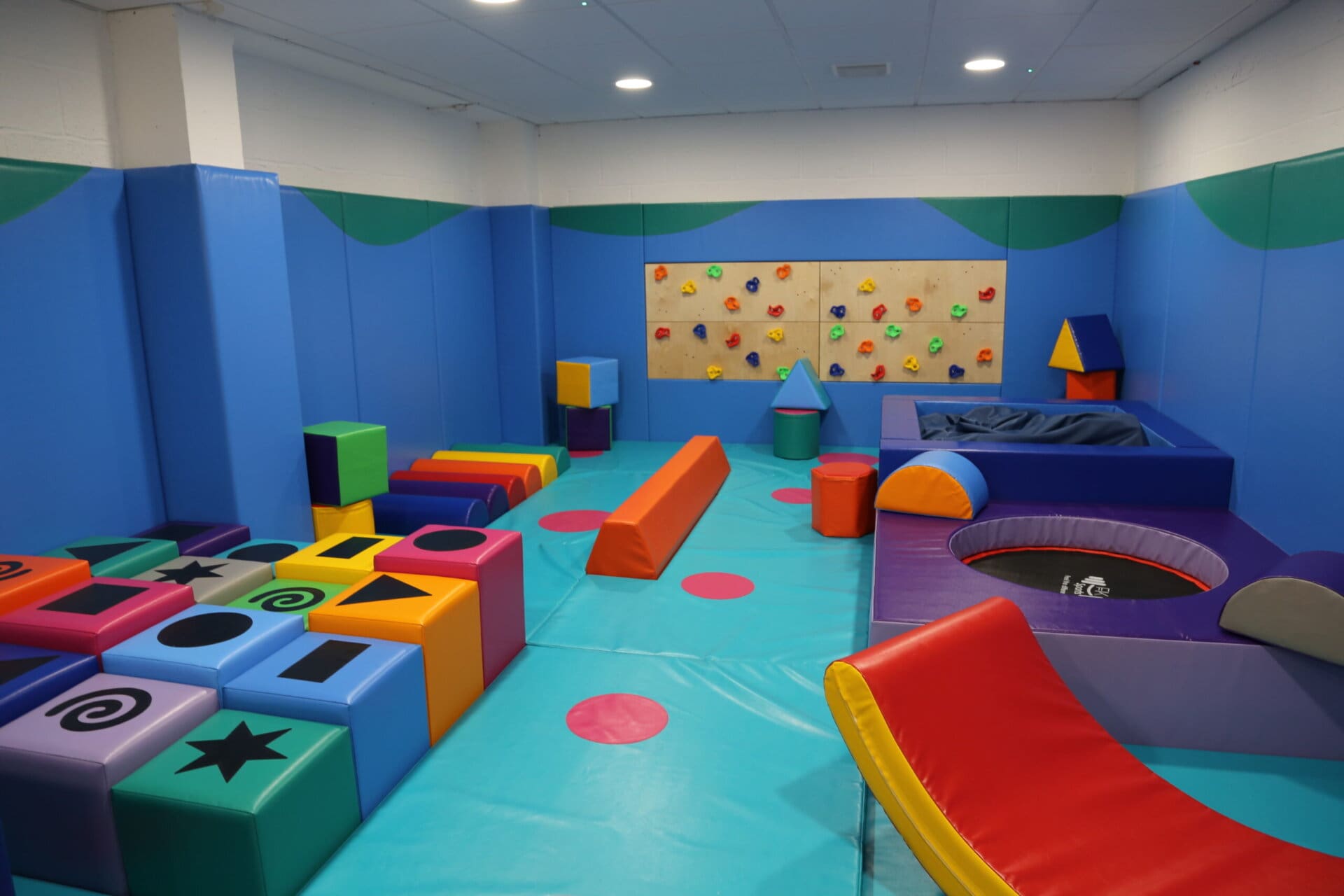
Inside the room, the atmosphere is carefully curated to be both engaging and tranquil. High-tech installations, including interactive bubble tubes and fibre-optic light displays, allow children to focus their attention away from the clinical sounds of the hospital. Soft upholstery and weighted blankets are available to provide grounding physical comfort, while adjustable lighting allows staff to tailor the environment to the specific needs of each child, particularly those with neurodivergent conditions who may find standard hospital lighting overstimulating.
Addressing the Pre-Operative Stress Gap
The psychological impact of surgery on children is a well-documented challenge within the healthcare sector. Traditional pre-operative procedures often involve long waits in busy wards where the sounds of machinery and the sight of medical equipment can escalate a child's heart rate and cortisol levels. In Smethwick, the introduction of this sensory suite directly addresses this "stress gap." By providing a transition zone, the hospital is acknowledging that the emotional state of a patient is just as critical as their physical preparation.
Medical staff have noted that when a child is in a state of high anxiety, the process of administering anaesthesia becomes significantly more difficult. This can lead to a cycle of distress that affects not only the child but also their parents and the surgical team. The sensory room functions as a de-escalation space, where play specialists can work with children to build trust and explain procedures in a non-threatening way. The use of distraction therapy, integrated into the sensory equipment, has proven to be an effective tool in redirecting a child's focus from their fears to the immediate, pleasant sensations of their environment.
Furthermore, the facility is designed to be inclusive of all children, regardless of their sensory profiles. For children with autism or sensory processing disorders, the unpredictability of a hospital can be particularly overwhelming. This room provides a predictable, controllable environment where they can find sanctuary. The ability to dim lights, choose specific colours, or engage with tactile surfaces allows these patients to maintain a sense of agency in a situation where they otherwise have very little control.
A Multimodal Approach to Clinical Calm
The science behind the new Smethwick facility is rooted in multimodal sensory stimulation. It is not merely a playroom but a sophisticated clinical tool designed to trigger the parasympathetic nervous system. The visual elements, such as slow-moving liquid projectors and colour-changing LED arrays, are calibrated to encourage deep breathing and a lowered heart rate. Auditory inputs are similarly controlled, with options for white noise, soft melodic patterns, or complete silence, shielding the child from the clatter of the corridor outside.
Tactile engagement plays a secondary but equally vital role. The room is equipped with a variety of textures, from smooth liquid-filled floor tiles to soft, plush wall panels. This allows for "grounding," a technique used to help individuals stay present and calm during times of high stress. By engaging with these physical elements, children are less likely to spiral into the "fight or flight" response that often precedes a medical intervention.
The staff training associated with the new room is equally important. Nurses and play specialists have undergone specific modules on sensory integration, learning how to read a child’s cues and adjust the room’s settings accordingly. This holistic approach ensures that the technology is backed by human expertise, creating a seamless experience for the patient. The goal is to move away from the "one size fits all" approach to hospital admissions and towards a more personalised, compassionate model of care that values the patient's mental state as much as the surgical objective.
Strengthening Support for Local Families
Beyond the direct impact on the children, the new sensory room provides a much-needed lifeline for parents and caregivers in Smethwick. Watching a child experience extreme fear before an operation is an incredibly draining experience for any parent, often leading to feelings of helplessness and secondary trauma. The availability of a calm, supportive space allows parents to participate in their child's care in a more positive way, facilitating a shared experience of play and relaxation rather than a shared experience of panic.
Local families who have had early access to the facility have reported a marked difference in their children’s attitudes toward hospital visits. One parent noted that their child, who previously had to be physically restrained during blood tests, was able to walk calmly into the anaesthetic room after spending twenty minutes in the sensory suite. This ripple effect of calm extends to the entire family unit, reducing the overall burden of a hospital stay and making the subsequent recovery period at home more manageable.
The opening of this room is also seen as a commitment to the Smethwick community, providing local access to the kind of specialised facilities that are often only found in major metropolitan teaching hospitals. As healthcare continues to evolve, the integration of these "soft" interventions is becoming increasingly recognised as a hard necessity. The Smethwick sensory room stands as a testament to the idea that healing is not just about the surgery itself, but about the entire journey from the moment a patient walks through the hospital doors. Through the power of play and sensory engagement, the facility is setting a new standard for paediatric care in the region, ensuring that every child has the best possible start on their path to recovery.