The streets of Kings Heath are alive with a renewed sense of purpose this week following the historic news that local residents have successfully secured the future of their beloved community centre. In a move that has captured the attention of observers across the country, the people of this vibrant Birmingham suburb have raised a staggering £173,000 to purchase the building directly, snatching it from the clutches of a controversial council sell-off. For many in the area, this is more than just a real estate transaction; it is a profound victory for local democracy and a testament to what can be achieved when a community refuses to be silenced by the cold mathematics of municipal bankruptcy.
The threat to the Heathfield Road site emerged amidst the darkening financial clouds hanging over Birmingham City Council. Following the issuance of a Section 114 notice, effectively declaring the local authority bankrupt, a sweeping programme of asset disposals was initiated to fill a gaping hole in the city’s finances. The community centre, a hub of activity for generations, was placed on the list of buildings to be sold to the highest bidder. For the residents who rely on the space for everything from parent-and-toddler groups to essential support services for the elderly, the prospect of losing the site to private developers was unthinkable.
What followed was an extraordinary mobilisation of local spirit. While the council’s ledger books saw only a brick-and-mortar asset to be liquidated, the people of Kings Heath saw the beating heart of their neighbourhood. The campaign to save the centre began as a series of whispered concerns in local cafes and quickly snowballed into a sophisticated, professional, and deeply emotional movement. It was a race against time, with the community forced to navigate the complex world of commercial property and cooperative law while simultaneously running a massive public fundraising drive.
The Grassroots Campaign That Defied the Odds
The fundraising effort was nothing short of a modern miracle of collective action. At the centre of the campaign was a Crowdfunder page that became a digital rallying point for thousands of supporters. Donations poured in from every corner of the district, ranging from small pocket-money contributions from school children to significant pledges from local businesses. Every pound donated represented a vote of confidence in the idea that some things are too valuable to be measured purely in financial terms. The speed with which the £173,000 target was met took even the most optimistic campaigners by surprise, highlighting the depth of feeling surrounding the building.
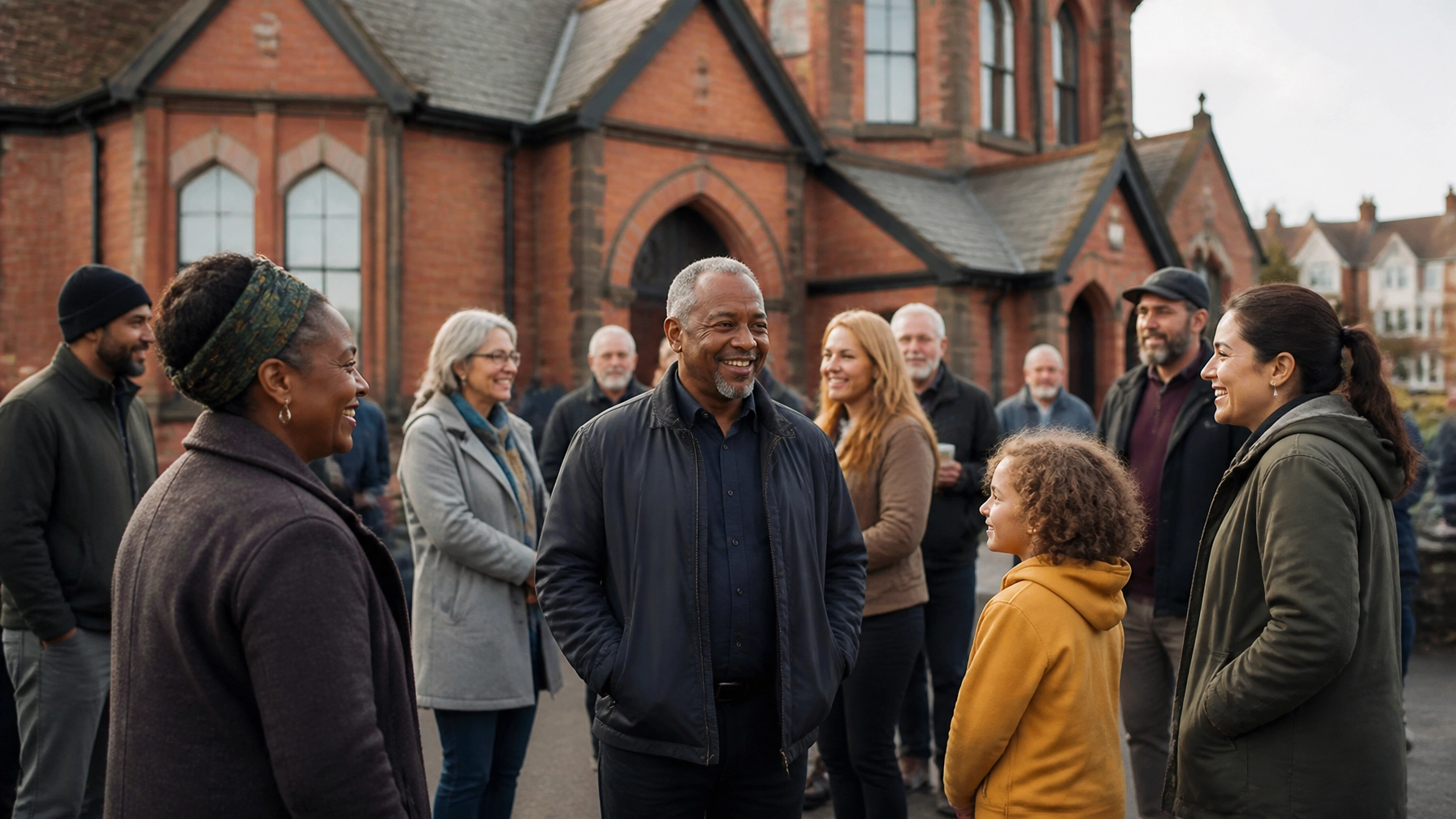
Beyond the money, the campaign required a monumental effort in terms of logistics and strategy. A dedicated group of volunteers, including legal experts, accountants, and community organisers, worked tirelessly to ensure their bid was viable. They held public meetings that packed out local halls, where residents voiced their fears of social isolation should the centre close its doors. These gatherings served as a reminder of the building’s true purpose: it is a space where the barriers between different generations and backgrounds are broken down, fostering a sense of belonging that is increasingly rare in modern urban life.
The campaign also had to overcome significant bureaucratic hurdles. Navigating the legalities of a community asset transfer during a period of extreme council instability was a daunting task. The residents were not just fighting for a building; they were fighting a system that often prioritises short-term financial fixes over long-term social value. The successful negotiation of the purchase marks a shift in power, proving that when a community is sufficiently organised and motivated, it can successfully challenge the decisions of distant authorities and take control of its own destiny.
A New Era of Community Ownership
With the purchase now finalised, the community centre is entering a bold new chapter. No longer a line item on a council spreadsheet, the building is now officially owned and managed by a resident-led co-operative. This model of ownership ensures that every person in Kings Heath has a stake in the building’s future. It is a departure from the traditional top-down management style of local government, placing the power directly into the hands of those who use the facility every day. This transition represents a significant experiment in localism, with the residents now responsible for everything from fixing leaky roofs to setting the schedule for evening classes.
The new management structure is designed to be as inclusive and transparent as possible. Decisions regarding the use of the space will be made through a democratic process, allowing the community to respond quickly to the changing needs of the area. For example, if there is a sudden demand for more youth services or a new space for local artisans to showcase their work, the co-operative can pivot far more effectively than a large, bureaucratic council ever could. This flexibility is seen as key to the centre’s long-term sustainability, ensuring it remains relevant and useful for decades to come.
However, the transition to community ownership is not without its challenges. The £173,000 raised was primarily for the acquisition and urgent immediate needs, but the long-term maintenance of a historic building requires a consistent revenue stream. The co-operative is already looking at innovative ways to generate income without compromising the centre’s core mission of providing affordable space for all. This includes a mix of commercial rentals for private events and a variety of tiered membership schemes. The goal is to create a self-sustaining ecosystem where the more the community uses the building, the more secure its future becomes.
Protecting the Future of Local Social Spaces
The success of the Kings Heath campaign resonates far beyond the borders of Birmingham. Across the United Kingdom, local authorities are facing unprecedented financial pressures, leading to a nationwide "fire sale" of libraries, parks, and community centres. What has happened in Kings Heath provides a vital blueprint for other communities facing similar threats. It demonstrates that the loss of public assets is not an inevitability, provided there is a willingness to organise and a structure in place to facilitate community ownership.
The importance of these "third spaces": places that are neither home nor work: cannot be overstated. In an era of increasing digital connection but rising physical loneliness, the community centre remains one of the few places where people can meet face-to-face regardless of their economic status. They are the frontline of social care, hosting the coffee mornings that combat elderly isolation and the youth clubs that provide a safe haven for teenagers. When these spaces are sold off for development, the social cost is often far higher than any immediate financial gain for the council.
As the residents of Kings Heath celebrate their hard-won victory, there is a growing sense that this could be the start of a wider movement. The model of the community co-operative offers a way to preserve the social fabric of our towns and cities in an age of austerity. By taking the "power" back into their own hands, the people of this Birmingham suburb have shown that the value of a community hub lies not in its bricks and mortar, but in the people who walk through its doors. Their success is a beacon of hope for any community currently staring at a "for sale" sign on their local library or park, proving that with unity and determination, the heart of a neighbourhood can be saved.