









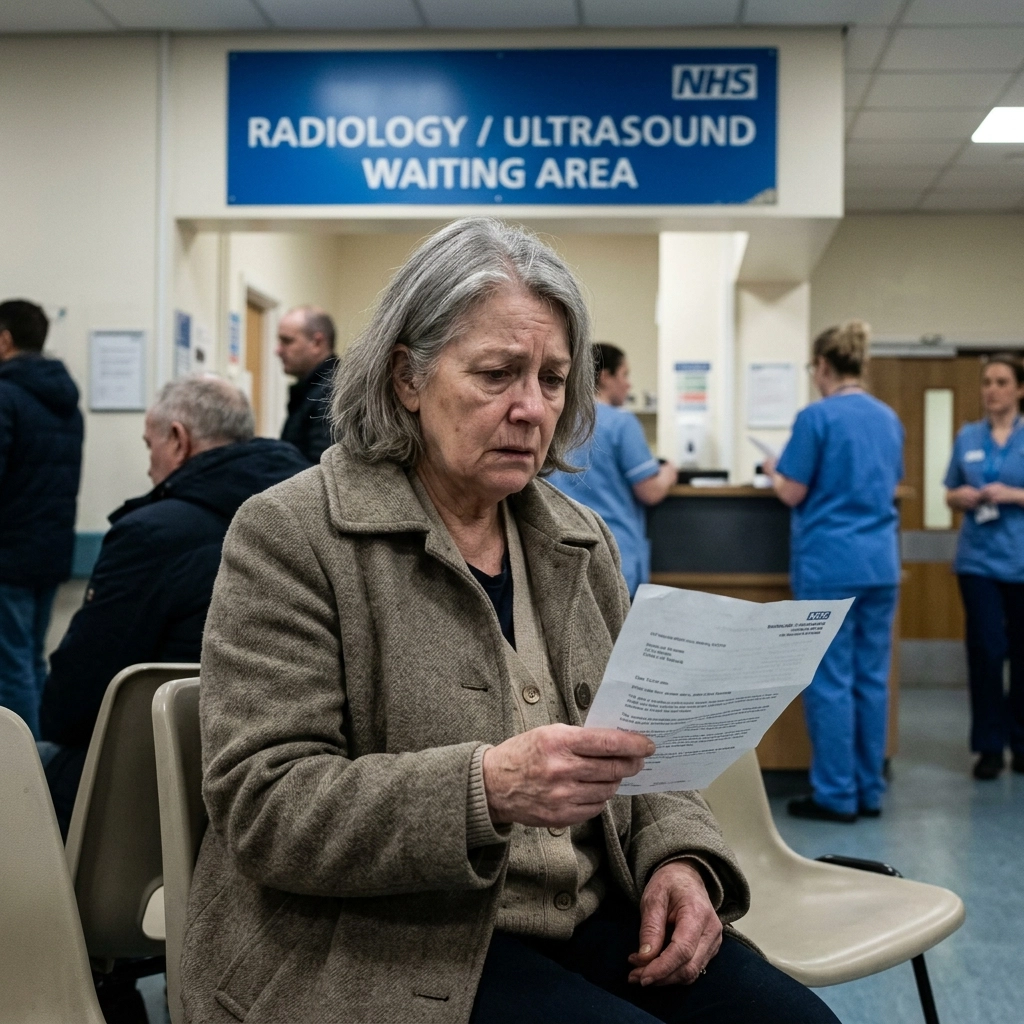
A critical shortage of sonographers across the United Kingdom is creating what medical professionals describe as an alarming threat to patient safety. Recent data indicates that diagnostic delays are now reaching a level where lives are being put at risk, particularly in high-stakes areas such as maternity care and oncology. The workforce crisis has left some regions struggling with vacancy rates that exceed one-third of their required staffing levels, forcing hospitals to make difficult decisions about which patients receive urgent scans.
Regional gaps expose the scale of the sonographer shortage
The current state of ultrasound services in England reveals a fragmented and struggling system. According to the latest reports from the Society of Radiographers, the national average vacancy rate for sonographers now stands at 24.2%. However, these figures mask a much more severe reality in specific geographic pockets. The Southeast of England is currently the hardest hit, facing a vacancy rate of 38.2%. This means that in some departments, nearly four out of every ten positions are unfilled, leading to significant backlogs and exhausted staff.
London and the North West are not far behind, with vacancy rates of 34.6% and 30% respectively. In contrast, the North East and Yorkshire have managed to maintain a more stable workforce, though they still report a shortfall of 11%. This postcode lottery for diagnostic care means that a patient’s likelihood of receiving a timely scan is heavily dependent on their location. The pressure on the remaining staff is immense, with many reporting burnout as they attempt to cover the gaps left by missing colleagues.
The shortage is not a temporary fluctuation but a structural deficit. Approximately 7.6% of the current sonographer workforce is expected to retire within the next year. Without a robust pipeline of new professionals entering the field, these departures will exacerbate an already precarious situation. Sonography is a highly specialised skill that requires extensive training, meaning vacancies cannot be filled by general medical staff or quick-hire programmes. It takes years to produce a competent sonographer capable of identifying the subtle anomalies that signify serious illness or complications in pregnancy.
The dependency on ultrasound as a primary diagnostic tool has grown significantly over the last decade. It is often the first line of investigation when a patient presents with unexplained pain or symptoms. Because it does not involve ionising radiation, it is preferred for repeated use and for sensitive patient groups. However, the surge in demand for these scans has not been met with a corresponding increase in the number of trained professionals. The result is a system stretched to its absolute limit, where the "alarming" nature of the crisis is no longer a warning but a daily reality for NHS trusts.
Delays hit maternity care and cancer pathways first
The clinical impact of these delays is most visible in maternity services. Standard practice in the UK dictates that pregnant women receive a 12-week dating scan and a 20-week anomaly scan. While most hospitals are prioritising these specific windows to comply with national screening standards, the focus on these primary scans is causing a secondary crisis. Urgent follow-up scans, specifically fetal growth scans, are being delayed. These investigations are often required within a strict 24 to 36-hour window if there are concerns about the baby’s development or the mother’s health.
When a hospital lacks the capacity to perform these time-sensitive growth scans, the risk of undetected complications increases. Fetal growth restriction is a leading cause of stillbirth, and timely ultrasound intervention is the only way to monitor and manage the risk. In some instances, sonographers are being diverted from other essential departments, such as emergency care or general medicine, to ensure that antenatal services do not collapse entirely. This "robbing Peter to pay Paul" approach creates a domino effect of delays across the entire hospital infrastructure.
The situation for cancer patients is equally dire. Ultrasound is a cornerstone of cancer detection and post-treatment monitoring. For many types of cancer, including those of the liver, kidneys, and ovaries, an ultrasound scan is the essential first step in the diagnostic pathway. Delays at this stage directly contradict the government’s stated cancer plan, which aims to speed up diagnosis and reduce waiting lists. A delay of even a few weeks in identifying a malignancy can result in a more advanced stage of disease at the point of diagnosis, potentially limiting treatment options and reducing survival rates.
Furthermore, ultrasound is used extensively for follow-up care to ensure that cancer has not returned. For survivors, the anxiety of waiting for these scans is compounded by the knowledge that the system is understaffed. The bottleneck in ultrasound departments effectively stalls the entire oncology pathway. If a patient cannot get their initial scan, they cannot be referred to a consultant, and they cannot begin treatment. The backlog is not just a statistical issue; it is a clinical barrier that directly impacts the prognosis of thousands of patients across the country.
Workforce planning faces structural barriers
Addressing the sonographer shortage requires more than just financial investment; it requires a complete overhaul of workforce planning. The UK government has focused heavily on the creation of new Community Diagnostic Centres (CDCs) designed to move testing out of hospitals and into the community. While the intent is to increase accessibility and reduce hospital pressure, medical experts warn that opening new buildings is futile if there are no staff to operate the equipment. Adding physical capacity without human capacity simply spreads an already thin workforce even thinner.
The training of new sonographers remains a significant hurdle. Unlike other medical specialities, sonography training in the UK is primarily a postgraduate qualification. This means that individuals must already hold a degree in a related field, such as radiography or nursing, before they can specialise. This entry barrier, combined with the intense nature of the work and the high level of responsibility, makes recruitment difficult. There is a pressing need for more direct-entry undergraduate routes into the profession to widen the talent pool and speed up the delivery of new staff.
Moreover, the retention of existing staff is becoming a major concern. The high vacancy rates mean that those currently working are under constant pressure to meet targets and reduce waiting lists. This leads to a high-stress environment, contributing to the high number of early retirements and staff leaving for the private sector. The private healthcare market often offers better pay and more controlled workloads, drawing essential talent away from the NHS when it is needed most.
The crisis in ultrasound is a symptom of a broader strain on the NHS, but its implications are uniquely dangerous because of the tool's versatility. From identifying a life-threatening ectopic pregnancy to spotting a tumour in its earliest, most treatable stages, the sonographer’s role is indispensable. As the UK faces an ageing population and an increasing prevalence of chronic diseases, the demand for diagnostic imaging will only continue to rise. Without an immediate and sustained intervention to address the workforce shortfall, the risk to patient lives will transition from an alarming possibility to a permanent feature of the healthcare landscape. The "to be continued" nature of this crisis suggests that unless policy matches the pace of clinical demand, the health service will remain in a state of perpetual emergency.