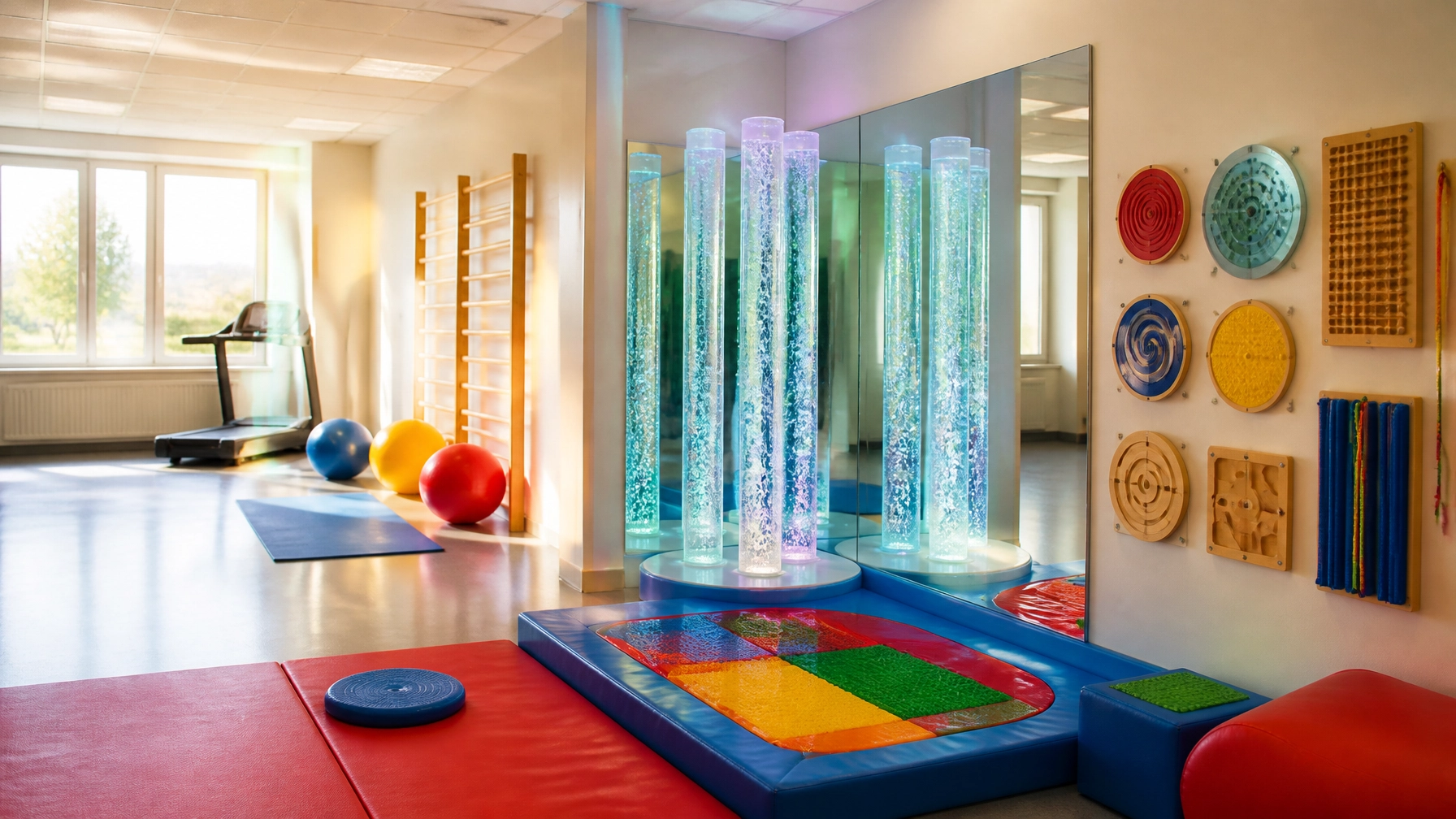
Young patients at Hull Royal Infirmary are beginning to experience the benefits of a major investment in their recovery and wellbeing following the completion of a comprehensive makeover of the children’s therapy unit. The project, which has introduced a state-of-the-art sensory room and a modernised paediatric gym, represents a significant shift in how physical and emotional rehabilitation is delivered to children in the region. For families who rely on these services, the transformation is more than just an aesthetic upgrade; it is a vital evolution in the clinical care available to those facing long-term health challenges.
The redevelopment was driven by the recognition that traditional clinical environments can often feel intimidating or sterile for children. By creating a space that feels less like a hospital and more like a centre for discovery and play, clinicians are finding that patients are more engaged with their treatment plans. The new facilities cater to a wide range of needs, from children recovering from major surgery or traumatic injury to those living with neurodivergent conditions or long-term physical disabilities. The integration of sensory and physical therapy in one location allows for a more holistic approach to recovery, ensuring that the emotional needs of the child are met alongside their physical requirements.
Enhancing Recovery Through Sensory Innovation
The centrepiece of the renovation is the newly installed sensory room, a space specifically designed to provide a controlled environment that can either stimulate or calm a child’s senses. For many young patients, especially those with sensory processing disorders or high levels of anxiety related to their hospital stay, the sensory room offers a much-needed sanctuary. It features bubble tubes that change colour, fibre-optic light sprays, and interactive wall panels that respond to touch. These elements are not merely for entertainment; they are essential therapeutic tools that help children improve their focus, coordination, and cognitive development.
Occupational therapists at the unit have noted that the sensory room is particularly effective for children who may be non-verbal or who struggle with traditional communication. In this environment, therapists can use light and sound to encourage interaction and engagement, building trust between the patient and the clinician. The ability to adjust the lighting and acoustics means the room can be tailored to the specific needs of each child, whether they require a high-energy environment to encourage movement or a low-stimulus space to reduce distress. This level of customisation is a major leap forward for the department, providing a level of care that was previously difficult to achieve in standard clinical rooms.
The sensory equipment also plays a crucial role in pain management. By providing a deep level of distraction and relaxation, the room can help lower heart rates and reduce the perception of pain during or after difficult treatments. For a child who has spent weeks in a hospital bed, the chance to move into a space that feels magical and safe is an important part of their mental health recovery. It allows them to reclaim a sense of agency and playfulness, which are often the first things lost during a prolonged illness.
Building Strength in the Paediatric Gym
Alongside the sensory room, the paediatric gym has undergone a complete transformation, moving away from the utilitarian look of the past to a bright, energetic space that encourages movement. Physical therapy is often a gruelling and repetitive process for children, requiring them to perform exercises that can be tiring or uncomfortable. The new gym addresses this by incorporating equipment that is specifically designed for smaller bodies, including junior treadmills, specialised balance beams, and colourful resistance tools. The design of the gym turns exercise into a series of achievable challenges, helping children build strength, balance, and confidence in a way that feels rewarding.
The gym is used by a broad spectrum of patients, including those undergoing rehabilitation for cerebral palsy, children recovering from fractures, and those regaining mobility after neurological events. The presence of modern, kid-friendly equipment means that therapists can design more creative and varied sessions. Instead of focusing solely on the physical mechanics of an exercise, they can incorporate games and goals that keep the child motivated. This psychological boost is essential for long-term recovery, as it helps the child view their therapy as a positive experience rather than a chore.
Furthermore, the gym provides a space where children can see others working through similar challenges. This sense of community, even in a clinical setting, can be incredibly powerful. It reduces the feeling of isolation that often accompanies childhood illness and allows patients to cheer each other on. The instructors highlight that the goal is not just to help the child walk or move better, but to help them regain the confidence to return to school, join in with their friends on the playground, and participate in the activities they love. The new equipment and layout make these goals feel more tangible and attainable.
A Community Effort for Local Healthcare
The transformation of the therapy unit was made possible through a significant fundraising effort led by the WISHH charity, the official charity for Hull Hospitals. The project relied heavily on the generosity of the local community, with businesses, schools, and individuals coming together to raise the necessary funds. This grassroots support underscores the importance of the hospital to the local area and the collective desire to ensure that children in Hull and East Yorkshire have access to the best possible facilities. The success of the appeal has shown that there is a deep well of support for enhancing the NHS experience beyond the basic requirements of medical care.
By funding the "extras" that the NHS budget often cannot cover, the charity has enabled the trust to create a world-class facility that will serve the region for years to come. The involvement of the community also means that many local people have a direct connection to the new unit, having participated in bake sales, fun runs, or corporate donations to see the project through to completion. This partnership between the hospital, the charity, and the public is a model for how modern healthcare facilities can be improved and modernised through shared vision and effort.
As the unit moves into full operation, the focus remains on the long-term impact on the children who pass through its doors. The staff are already seeing the benefits in the smiles of their patients and the faster progress being made in therapy sessions. The makeover of the Hull Royal Infirmary children’s therapy unit is a testament to what can be achieved when clinical expertise is combined with a compassionate, child-centred design. It stands as a beacon of hope for families in the region, providing a space where healing is supported by innovation, and where every child is given the best possible chance to thrive.