Across the city of Hull, a quiet revolution is taking root in the most unlikely of places. On small, forgotten strips of grass and neglected corners of council-owned land, vibrant splashes of colour are replacing the dull grey of urban decay. This transformation is the result of a pioneering "Right to Grow" motion, which has turned the city into a living laboratory for community-led environmentalism. Residents are no longer waiting for official permission to beautify their neighbourhoods; instead, they are taking the initiative to turn unused plots into thriving wildflower havens and productive food gardens.
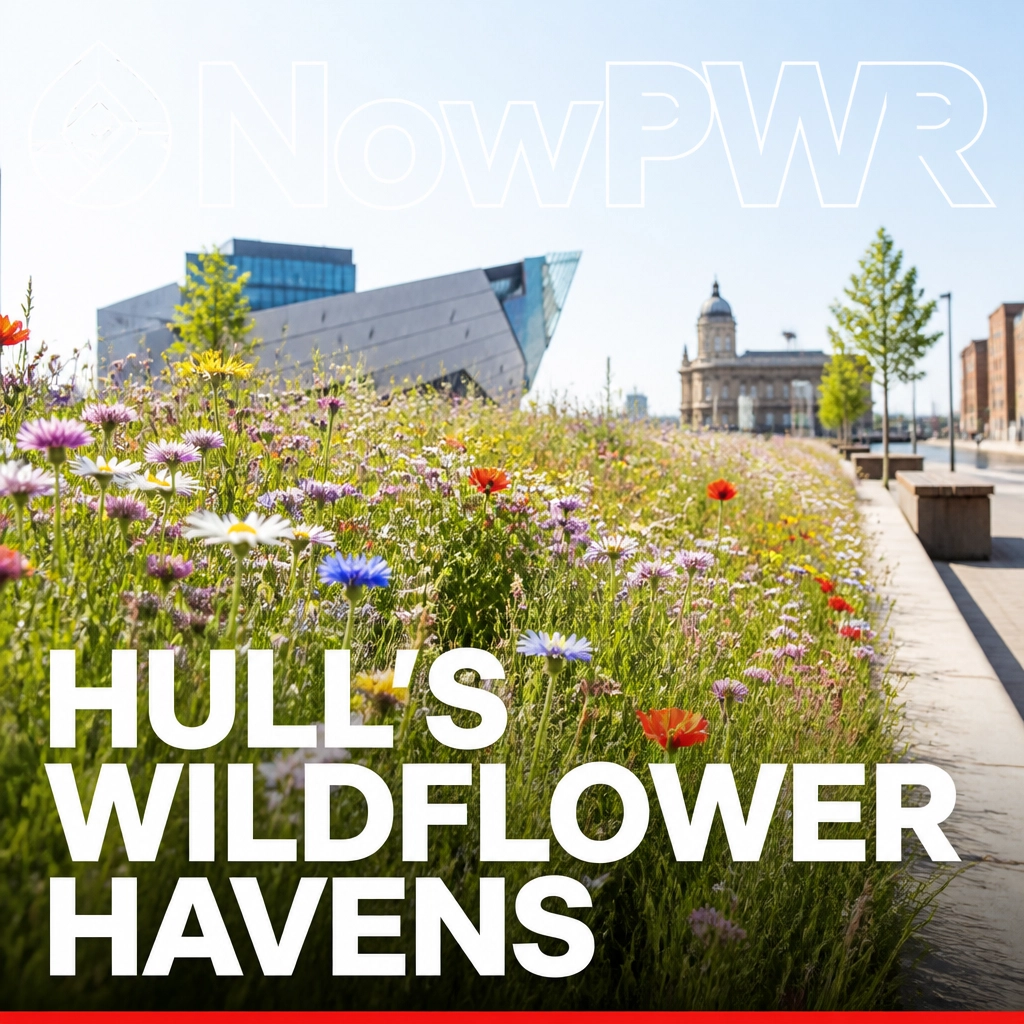
The movement gained significant momentum after Hull became the first city in the United Kingdom to grant its citizens an explicit right to cultivate disused public land. For years, many of these plots were nothing more than maintenance headaches for the local authority: patches of grass that required regular mowing but offered little in the way of ecological value or aesthetic appeal. Now, they are being reimagined as vital corridors for pollinators and peaceful retreats for local people. From the Orchard Park estate to the bustling streets of the city centre, the sight of ox-eye daisies, purple thistles, and yellow poppies is becoming a common feature of the local landscape.
The Right to Grow Movement
The legal framework that has allowed this blooming success is the "Right to Grow" motion, adopted by Hull City Council in late 2023. This policy was born out of a recognition that the traditional top-down approach to land management often leaves communities feeling disconnected from their environment. By streamlining the process for residents and community groups to request permission to use neglected land, the council has effectively handed over the keys to the city’s green spaces. The initiative is not just about aesthetics; it is a fundamental shift in how urban land is perceived and utilised.
Before this motion, residents who wanted to plant a few seeds on a council-owned verge often faced a wall of red tape. There were concerns about liability, maintenance agreements, and the potential for land to be misused. The "Right to Grow" policy has simplified these hurdles, providing a clear pathway for people to take ownership of their local patches. It encourages the planting of fruit trees, vegetables, and wildflowers, with the primary goal of fostering community resilience and improving local biodiversity. By allowing people to cultivate their own food and manage their own green spaces, the city is building a more sustainable and connected population.
This policy has also drawn attention from across the country, as other local authorities look to Hull as a model for urban regeneration. The idea is simple: if the council cannot afford to maintain every square inch of public land to a high standard, why not let the people who live there do it themselves? The result is a win-win situation where the council saves on maintenance costs, and the residents gain a more beautiful, productive environment. It is a testament to the power of local democracy and the impact that small, grassroots changes can have on a city-wide scale.
Transforming the Urban Landscape
One of the most striking examples of this transformation can be found on the Orchard Park estate, specifically near Hall Road. What was once a nondescript strip of grass, roughly the size of half a dozen parking spaces, has been turned into a riot of colour and life. This particular project was spearheaded by John Pickles, a "postcode gardener" who has been working closely with local residents to bring the land back to life. Together, they have cleared the weeds, prepared the soil, and sown a diverse mix of wildflower seeds that are now in full bloom.
The impact of this single small plot is profound. Passers-by who used to ignore the patch of grass now stop to admire the ox-eye daisies and the humming of bees that have returned to the area. For the residents of Orchard Park, the wildflower haven is a source of immense pride. It represents a tangible improvement to their daily lives and a sign that their neighbourhood is being cared for. The "postcode gardener" model, where a professional provides the expertise and the community provides the labour, has proven to be an effective way to ensure the long-term success of these projects.
Beyond the aesthetic benefits, these wildflower havens are performing a crucial ecological function. Urban areas are often "green deserts" for pollinators, with very few sources of nectar and pollen. By planting a variety of native wildflowers, Hull residents are creating "stepping stones" that allow bees, butterflies, and other insects to move through the city. This increase in biodiversity is essential for a healthy urban ecosystem and helps to mitigate some of the negative impacts of climate change, such as urban heat islands. The success of the Orchard Park site has inspired other residents to identify similar plots in their own areas, leading to a network of mini-wildlife sanctuaries across Hull.
Community Roots and Future Growth
The benefits of the "Right to Grow" movement extend far beyond the soil. At its heart, this is a social project that is bringing people together in a common cause. Gardening has long been recognised for its positive impact on mental health and well-being, and these community plots provide a space for people to escape the stresses of modern life. Whether it’s the physical act of digging and planting or simply the quiet enjoyment of watching flowers grow, the wildflower havens are providing a much-needed boost to the collective spirit of the city.
In many parts of Hull, these projects have become focal points for community interaction. Neighbours who might have otherwise only exchanged a brief nod are now working side-by-side, sharing tips on how to grow tomatoes or which wildflowers are most attractive to bees. This sense of shared responsibility and common purpose is vital for building strong, resilient communities. It gives people a stake in their environment and a reason to look after the spaces they share. The transformation of a neglected council plot into a flourishing garden is a powerful symbol of what can be achieved when people are empowered to take action.
Looking ahead, the hope is that the "Right to Grow" initiative will continue to expand, with more residents taking up the challenge of transforming their local land. The success seen so far in Hull suggests that there is a huge appetite for community gardening and urban greening. As more sites are identified and brought under cultivation, the cumulative effect on the city’s landscape and social fabric will be significant. Hull has set a bold example for the rest of the UK, proving that with the right policy framework and a bit of community spirit, even the most neglected urban spaces can be turned into something beautiful and productive. The seeds of change have been sown, and in the streets of Hull, they are blooming for all to see.