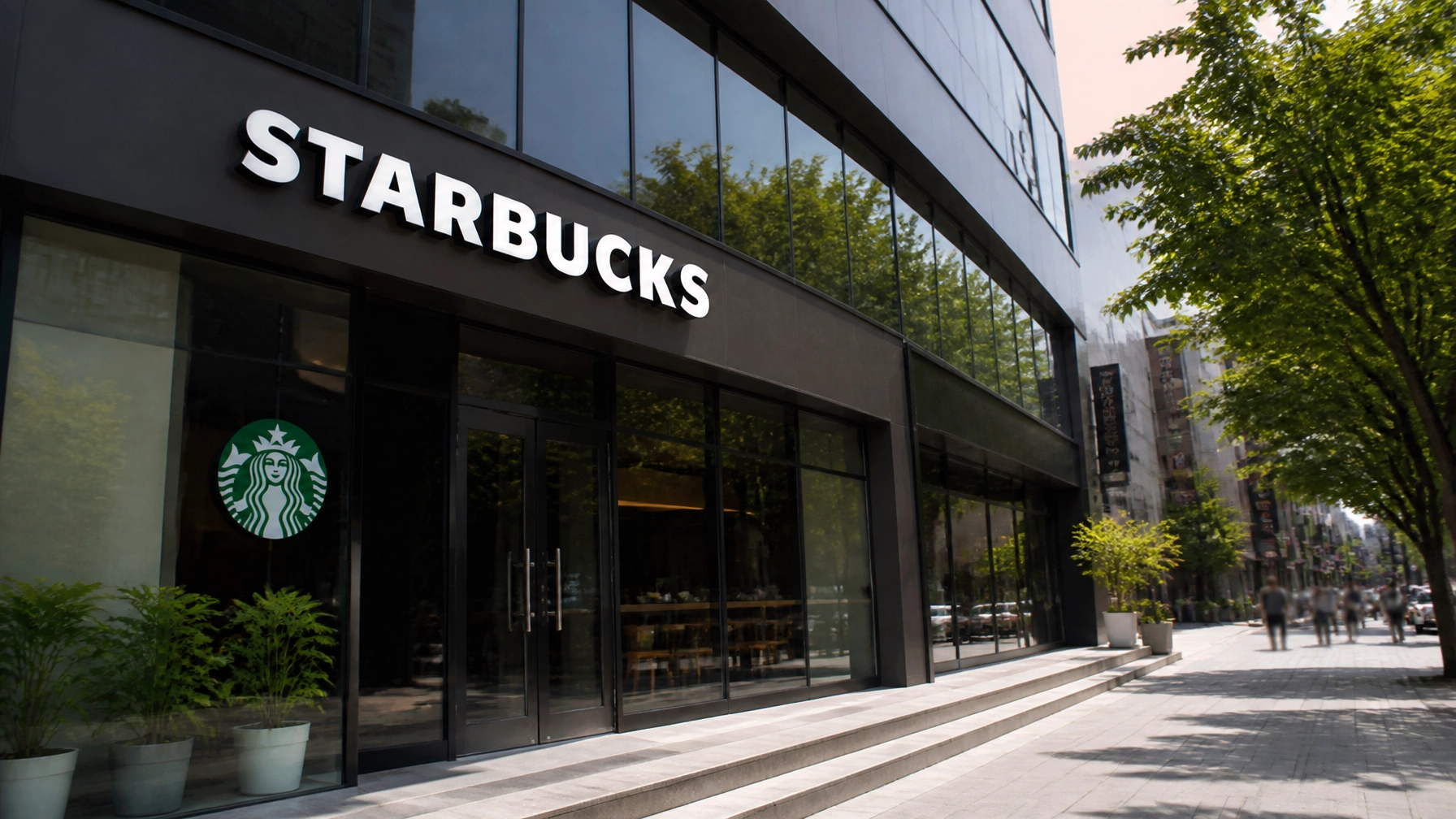
The commercial reputation of one of the world's most recognisable brands has been plunged into a state of crisis in East Asia following a marketing campaign described by critics as both "grotesque" and "historically illiterate". Starbucks Korea has been forced into a humiliating public retreat after an advertising promotion intended to drive sales instead reignited the trauma of a nation's most painful democratic struggle. The fallout has been swift and severe, resulting in the immediate dismissal of top-tier executives and a rare, bowing apology from the highest levels of the parent company’s leadership.
The controversy centred on a promotional event dubbed "Tank Day," which was inexplicably scheduled to run on 18 May. For the people of South Korea, and particularly those in the city of Gwangju, this date is not a mere calendar entry; it is a day of national mourning and solemn remembrance. It marks the anniversary of the 1980 Gwangju Uprising, a pivotal and bloody chapter in the country’s transition from military dictatorship to democracy. The choice of "Tank Day" as a marketing slogan, accompanied by imagery and language that many felt trivialised the military suppression of civilians, sparked a firestorm of indignation that has crossed the political spectrum and reached the desk of the national presidency.
A Failure of Corporate Sensitivity
The marketing department’s decision to pair the word "tank" with the anniversary of a military massacre has been condemned as a staggering failure of corporate oversight. In May 1980, the South Korean military, under the control of General Chun Doo-hwan, deployed paratroopers and tanks to Gwangju to crush student-led protests. The ensuing violence resulted in hundreds of deaths, with some estimates suggesting the toll was much higher, as soldiers opened fire on unarmed crowds. To use the word "tank" in a light-hearted commercial context on the very day the nation remembers those crushed under the tracks of military vehicles is seen by many as more than a mistake; it is viewed as a profound insult to the martyrs of the democratic movement.
Public reaction was instantaneous. Social media platforms were flooded with calls for a nationwide boycott, while civic groups representing the families of the Gwangju victims expressed "unbearable outrage" at the commodification of their suffering. The backlash was not limited to online forums; it quickly escalated into a mainstream political issue, with government officials and representatives from the Gwangju city council demanding an explanation for how such a campaign could have been cleared by any professional marketing board. The brand, which usually enjoys a position of prestige in the South Korean market, found itself branded as a tone-deaf foreign interloper, despite its local management structure.
The speed at which the brand’s image deteriorated caught the parent group off guard. For years, the coffee chain has positioned itself as a "third space" for community and conversation, yet this campaign appeared to violate the very social contract it claimed to uphold. By failing to account for the deep-seated historical sensitivities of its host nation, the company proved that even the most sophisticated global entities are susceptible to catastrophic local errors when they lose touch with the cultural landscape. The subsequent internal investigation revealed a disconnect between the creative team’s desire for "edgy" viral marketing and the reality of national sentiment.
The Weight of National History
Understanding the depth of this backlash requires an appreciation of the Gwangju Uprising’s place in the South Korean psyche. The events of 1980 are the bedrock of the modern republic’s identity. For decades, the truth of what happened in Gwangju was suppressed by successive military regimes, and it was only through the persistent struggle of activists that the full horror of the "Tank Day" of 1980 was acknowledged. Today, the 18th of May is a day of national commemoration, often attended by the President and other senior leaders to pay respects at the May 18th National Cemetery.
For a major corporation to ignore this context suggests a level of isolation from the public it serves that is difficult to rectify with a simple press release. Critics have pointed out that the marketing team likely intended "tank" to refer to the size of a beverage or perhaps a "tank-like" robustness of flavor, but in the context of Gwangju’s history, the word is inseparable from the hardware of oppression. This linguistic and historical blindness has been described by local commentators as a symptom of a corporate culture that prioritises metrics and engagement over ethics and social responsibility.
The outrage also highlighted a growing impatience among South Korean consumers with corporations that appear to treat the country’s history as a playground for commercial experimentation. In recent years, several global brands have faced similar backlashes for using symbols associated with the colonial era or military aggression. However, the Starbucks incident is seen as particularly egregious because it targeted a domestic tragedy that remains within living memory for many. The families of the victims, many of whom still seek justice for the actions of the military four decades ago, found the campaign’s timing to be a cruel reminder of the state’s historical attempt to silence their voices.
Structural Changes and Public Redemption
The resolution of the crisis required more than a standard corporate apology. Shinsegae Group, the retail giant that operates the brand in South Korea, took the extraordinary step of dismissing the chief executive of the coffee division and the head of marketing with immediate effect. This "decapitation" of the leadership team was intended to signal to the public that the error was not merely a clerical one, but a fundamental failure of leadership. Chung Yong-jin, the chairman of Shinsegae Group, personally appeared before the media to issue a formal apology. In a gesture of traditional contrition, he bowed his head and asked for forgiveness from the citizens of Gwangju and the families of the democracy activists.
The chairman’s statement was uncharacteristically blunt for a high-ranking business leader. He acknowledged that the "inappropriate marketing" had caused deep pain and admitted that the company bore full responsibility for the "inexcusable" lack of historical awareness. Beyond the apologies, the company has pledged to launch an internal audit of all marketing and approval processes to ensure that historical and cultural sensitivities are integrated into the brand’s operational framework. There are also discussions regarding a significant donation to foundations dedicated to the Gwangju uprising, though critics remain skeptical as to whether financial contributions can truly erase the stain of the initial campaign.
The incident serves as a stark warning to global businesses operating in markets with complex historical narratives. The era where a marketing campaign could be designed in a vacuum, focusing solely on product placement and catchy slogans, is over. In a hyper-connected world, consumers demand that the brands they patronise demonstrate a sophisticated understanding of the local culture and its traumas. As the coffee chain begins the long process of rebuilding its reputation in South Korea, the "Tank Day" disaster will likely be studied for years to come as a textbook example of how a single marketing misstep can threaten decades of brand-building and alienate an entire nation. The focus now shifts to whether the promised structural changes will lead to a more empathetic and socially aware corporate presence, or if the brand will remain under the shadow of a day it chose to remember for all the wrong reasons.