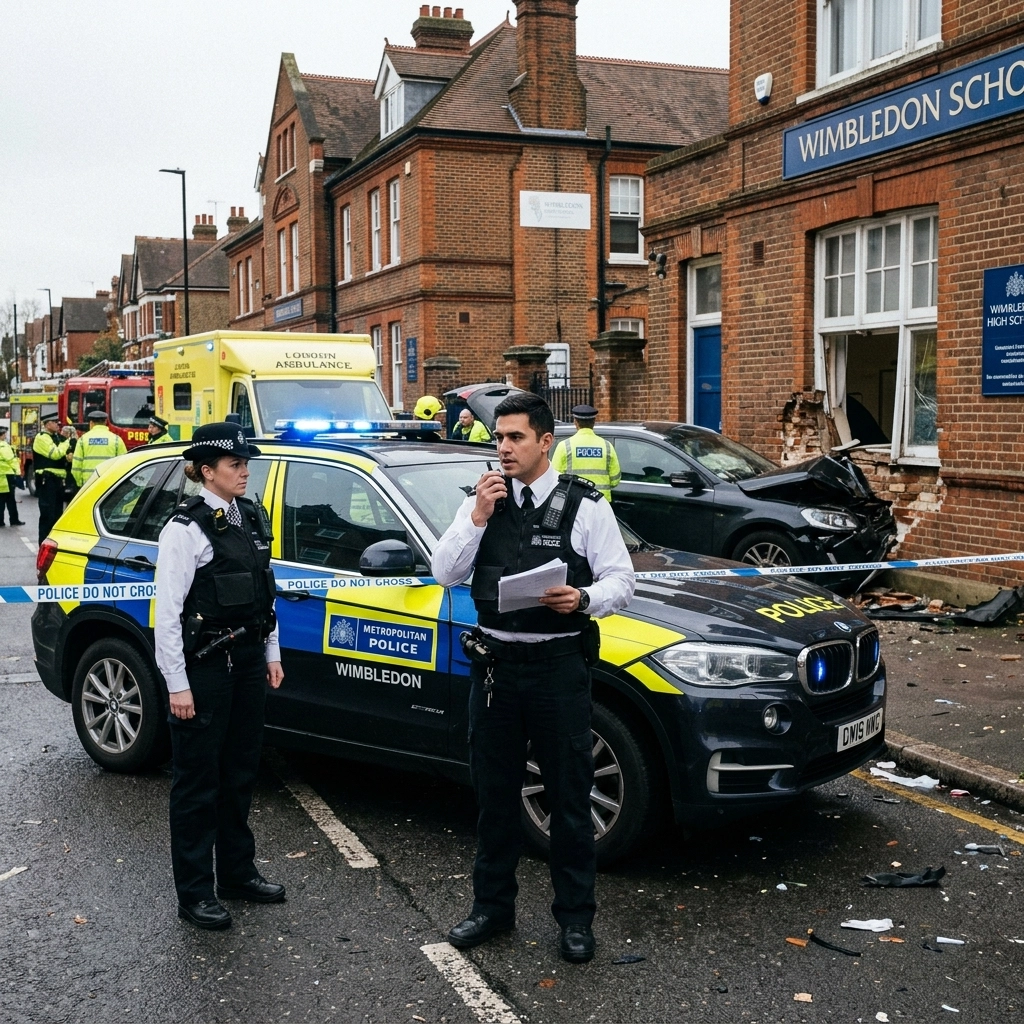
The quiet, leafy streets of Wimbledon are usually associated with the prestige of world-class tennis and the calm of southwest London. However, for the community surrounding The Study Preparatory School, the memory of July 2023 remains a heavy shadow. What was supposed to be a joyous end-of-term tea party on a sunny afternoon turned into a scene of unimaginable tragedy when a 4×4 vehicle crashed through the school’s perimeter fence. The incident claimed the lives of two eight-year-old girls, Nuria Sajjad and Selena Lau, and left several others with life-changing injuries.
For years, the families of the victims have been searching for clarity. They haven't just been looking for answers about why the crash happened, but also about how the subsequent investigation was handled. As we look at the current state of affairs in April 2026, the focus has shifted significantly toward the conduct of the Metropolitan Police. The Independent Office for Police Conduct (IOPC) is now deep into an investigation involving 11 officers, a move that highlights the ongoing demand for transparency in the British justice system.
At NowPWR, we believe that providing independent news uk means digging into the complexities of these cases. It’s about more than just the headlines; it’s about the untold stories of those left behind and the systems that are supposed to protect them. This probe into the police handling of the Wimbledon crash is a pivotal moment for police accountability in the UK.
Understanding the Initial Investigation
In the immediate aftermath of the crash in 2023, the driver of the Land Rover, Claire Freemantle, was arrested on suspicion of causing death by dangerous driving. However, the initial momentum of the case seemed to stall. By mid-2024, it was announced that no charges would be brought against the driver. The reasoning provided at the time was that she had suffered an undiagnosed epileptic seizure, leading to a loss of control of the vehicle. In legal terms, this is often referred to as "insane automatism," where a person is not held criminally responsible for their actions because they were not in control of their body.
For the families of Nuria and Selena, this conclusion felt like a door being slammed shut. They expressed deep concerns that the initial investigation lacked the rigour required for such a high-stakes accident. They questioned whether every medical record had been checked, whether the vehicle’s telemetry had been fully analysed, and whether the crime scene had been managed correctly from the start. Their persistence eventually led to the Metropolitan Police reopening the investigation in late 2024, a rare move that underscored the potential flaws in the first round of inquiries.
The reopening of the case led to the re-arrest of the driver in early 2025. While the legal process regarding the driver is one side of the coin, the other side: and perhaps the more systemic one: is how the police interacted with the bereaved families. There were allegations that the communication was poor and that the families were left in the dark for extended periods. This lack of transparency is often what fuels the need for independent oversight, ensuring that the "official" version of events stands up to intense scrutiny.
Why the Watchdog is Stepping In
The involvement of the IOPC marks a significant escalation. When the police watchdog decides to investigate 11 officers simultaneously, it suggests that the concerns are not limited to one or two individuals but may point to a broader failure in the investigation’s management. Of these 11 officers, five are being investigated for "gross misconduct." In the world of UK policing, gross misconduct is the highest level of internal disciplinary charge and can lead to immediate dismissal.
The scope of this probe is wide-reaching. It covers allegations that officers provided false or misleading information to the families and the public. In any criminal investigation, the integrity of information is the foundation of trust. If that foundation is cracked, the entire case becomes unstable. Furthermore, the IOPC is looking into whether the treatment of the families was influenced by their race. This is an incredibly sensitive and serious allegation, particularly given the Met Police’s ongoing efforts to address issues of institutional bias.
For an independent news uk outlet, these details are crucial. The investigation isn't just about technical errors in a file; it's about the human element of policing. It’s about whether a detective chief inspector or a commander oversaw a process that was inherently biased or negligent. The fact that the investigation includes high-ranking officers indicates that the IOPC is looking at the leadership and direction of the case, not just the "boots on the ground" who first arrived at the school gates. By examining these untold stories of procedural failure, we begin to see why the families felt so let down by the very people meant to provide them with justice.
Looking for Accountability and Answers
As the probe continues, the community in Wimbledon and the wider public are left wondering what the eventual findings will mean for the future of the Met. The officers involved: ranging from detective constables to a commander: are under a microscope. Some are being investigated for misconduct, which focuses on breaches of professional standards that might not lead to dismissal but still require disciplinary action. Others face the more severe gross misconduct charges.
One of the most harrowing aspects of this case has been the endurance of the families. They have had to relive the trauma of July 2023 through multiple investigations, interviews, and legal updates. Their fight for the truth has become a symbol of the struggle many families face when dealing with large institutions. They aren't just looking for someone to blame; they are looking for a system that works fairly and transparently. This is why our editorial standards at NowPWR focus so heavily on accuracy and the human side of the news.
The outcome of the IOPC investigation will likely have a lasting impact on how the police handle major incidents involving schools and vulnerable groups. It also raises questions about how the UK legal system handles medical defences in driving offences. If the watchdog finds that the initial investigation was indeed flawed or influenced by bias, it could lead to a complete overhaul of how the Met manages similar tragedies in the future. For now, the process remains slow and methodical, as investigators pore over thousands of documents and interview dozens of witnesses to ensure that this time, no stone is left unturned.
The journey toward justice for the families of the Wimbledon school crash has been long and fraught with obstacles. From the initial shock of the tragedy to the frustration of a stalled investigation, and finally to the current police probe, the case serves as a stark reminder of the importance of accountability. While no investigation can undo the loss of Nuria Sajjad and Selena Lau, the hope is that the truth will eventually provide some measure of peace to those left behind. The findings of the IOPC will be a critical step in determining whether the systems designed to protect and serve the public are truly up to the task. As the UK watches closely, the demand for transparency remains as strong as ever, ensuring that the voices of the victims are finally heard in full.