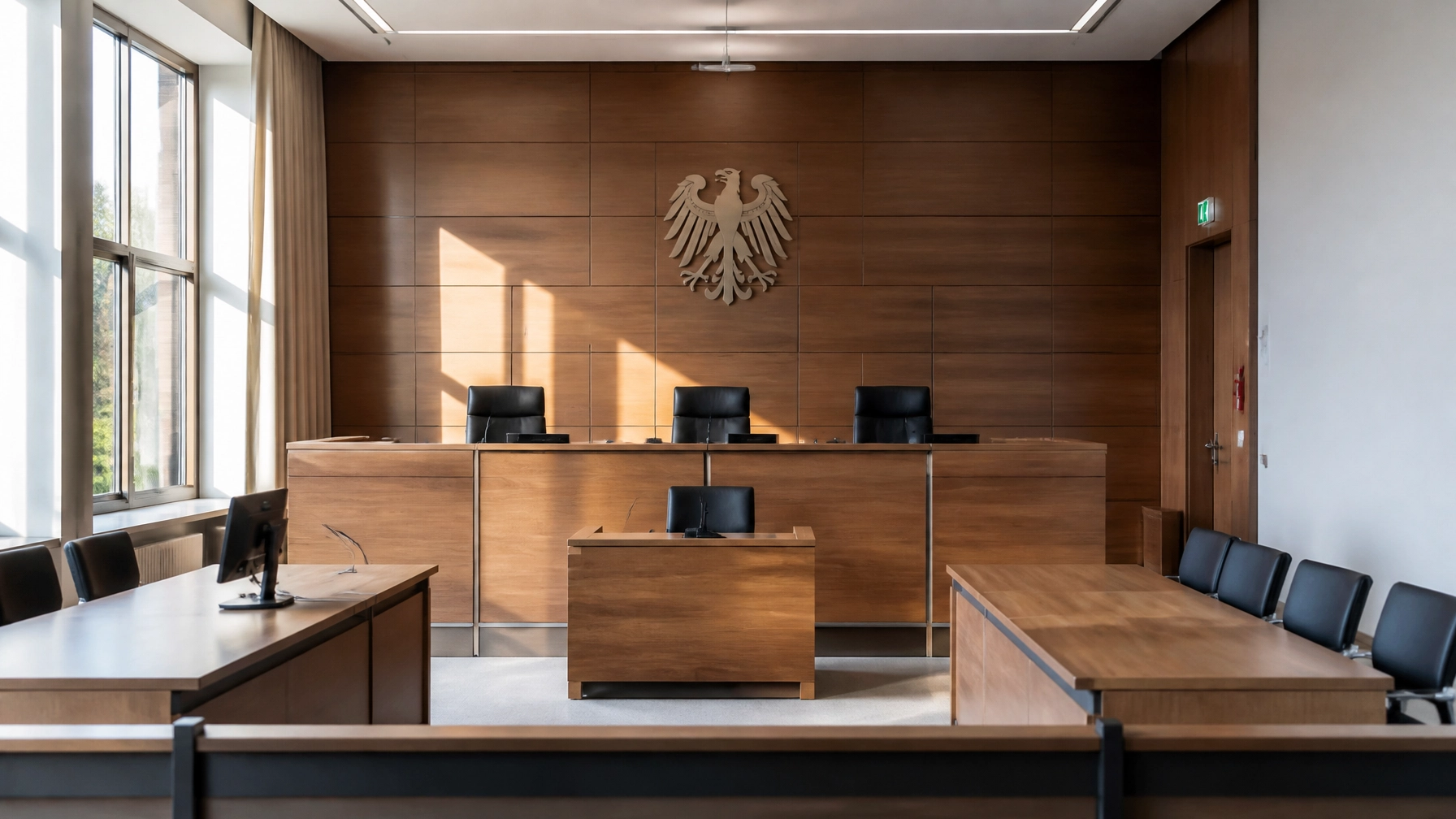
A German court has delivered a definitive sentence in one of the most harrowing cases of public violence in the country's recent history. Taleb Jawad al-Abdulmohsen, a 51-year-old former psychiatrist, has been sentenced to life in prison for a deadly rampage at a Christmas market in Magdeburg. The presiding judge at the Magdeburg Regional Court confirmed the verdict on Friday, bringing a sense of closure to a legal process that has gripped the nation for months. The court took the additional step of declaring a particular severity of guilt, a legal designation in the German justice system that effectively ensures the perpetrator will remain behind bars far beyond the standard fifteen-year period usually associated with life sentences.
The sentencing follows a comprehensive trial that examined the horrific events of December 2024, when a rented vehicle was used as a weapon against unsuspecting families and festive shoppers. The court found al-Abdulmohsen guilty of six counts of murder and more than three hundred counts of attempted murder. The scale of the carnage, described by prosecutors as a calculated and cold-blooded act, left six people dead and hundreds of others with life-altering physical and psychological injuries. Among the deceased were five women and a nine-year-old boy, whose lives were cut short in a matter of seconds.
Throughout the proceedings, the courtroom was filled with the testimonies of survivors and the families of those lost. The judge noted that the defendant's actions were not merely a moment of madness but a deliberate attempt to cause maximum suffering. By driving a heavy SUV into a pedestrianised zone filled with stalls and holiday-goers, the perpetrator turned a scene of community celebration into a site of international tragedy. The verdict reflects the gravity of these crimes, acknowledging that the damage done to the community of Magdeburg extends far beyond the physical impact of the vehicle.
A Day of Unspeakable Tragedy
The events that led to today's life sentence began on a cold winter evening when the Magdeburg Christmas market was at its busiest. As residents and tourists gathered to enjoy the traditional festive atmosphere, a rented BMW SUV breached the security perimeter of the market square. For just over sixty seconds, the vehicle was driven at high speed through the narrow aisles of the market, crushing wooden stalls and striking anyone in its path. The suddenness of the attack left little time for escape, as the perpetrator steered the vehicle with what witnesses described as a terrifying sense of purpose.
Emergency services arrived within minutes to find a scene of total devastation. Paramedics and police officers worked through the night to tend to the hundreds of injured, many of whom were suffering from severe trauma and broken limbs. The loss of life was confirmed shortly after the vehicle came to a halt, with five women and a young child identified as the fatalities. The impact of the incident was felt globally, as the image of the overturned stalls and discarded Christmas decorations became a symbol of the vulnerability of public spaces.
In the aftermath, the city of Magdeburg entered a period of deep mourning. Spontaneous memorials appeared at the site of the attack, with candles and flowers marking the spots where lives were lost. For the survivors, the journey since that day has been one of immense difficulty. Many have undergone multiple surgeries and continue to receive psychological support to manage the post-traumatic stress associated with the event. The court’s decision to impose the maximum possible sentence is seen as a vital acknowledgement of the pain endured by these individuals and the wider community.
The Motive Behind the Rampage
A significant portion of the trial was dedicated to understanding how a man with a professional background in medicine and psychiatry could commit such an atrocity. Investigators spent months piecing together al-Abdulmohsen’s history, examining his digital footprint and personal records. While early speculation suggested an ideological or organised terrorist link, the court concluded that the attack was a lone-actor rampage fuelled by deep personal frustration and a distorted desire for notoriety.
The prosecution argued that the defendant had become increasingly isolated and harboured extremist, far-right views that had festered over several years. Despite his training as a psychiatrist, al-Abdulmohsen appeared to have been unable to manage his own burgeoning resentment toward society. The court heard how he sought to gain global attention through a spectacular act of violence, choosing the Christmas market specifically for its symbolic value and the high concentration of people. This desire for infamy was cited as a key factor in the judge's decision to recognise the "particular severity of guilt."
Psychological evaluations presented during the trial depicted a man who was fully aware of his actions and the consequences they would entail. While the defence attempted to argue for diminished responsibility, the court rejected these claims, stating that the meticulous planning involved: including the renting of the specific vehicle and the reconnaissance of the market layout: demonstrated a clear and calculated intent. The verdict clarifies that the perpetrator was not a victim of his own mind, but a deliberate architect of a massacre who used his knowledge of human vulnerability to inflict as much pain as possible.
Impact and the Path to Justice
The sentencing marks the end of a long and painful chapter for the city of Magdeburg, but the legacy of the attack will persist in the changes made to public safety and the ongoing recovery of the victims. Since the tragedy, German authorities have significantly bolstered security at large public gatherings, with the installation of permanent bollards and increased police presence becoming a common sight at seasonal events across the country. The Magdeburg case has served as a catalyst for a broader debate on how to protect open societies from individuals who choose to use everyday tools for mass violence.
For the legal system, the life sentence with the added severity clause serves as a powerful deterrent and a statement of societal values. It reaffirms the principle that those who commit acts of mass murder will face the full weight of the law, with little hope of returning to civilian life. The judge’s closing remarks emphasised that while no sentence could truly compensate for the loss of a child or the destruction of a family, the law must provide a robust response to such cruelty.
As the perpetrator begins his sentence, the focus in Magdeburg remains on the resilience of the community. Memorial services are planned to mark the second anniversary of the attack later this year, with a focus on healing and unity. The victims' families have expressed a sense of relief that the trial has concluded, allowing them to step away from the public eye and continue their private grieving. The case of Taleb Jawad al-Abdulmohsen will likely remain a landmark in German legal history, representing both the darkest depths of human behaviour and the steadfast commitment of the justice system to hold such actions to account.