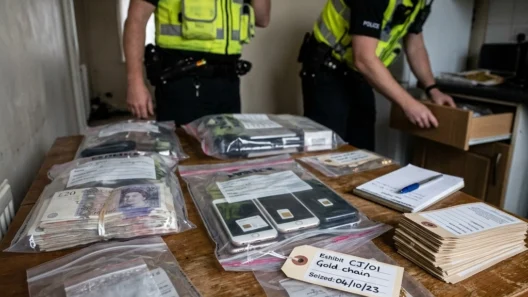
Tax legislation usually isn't the kind of thing that makes headlines or moves people to tears. Most of the time, it is a dry world of spreadsheets, percentages, and bureaucratic jargon. However, every so often, a policy comes along that cuts through the paperwork and hits real people where they live. The HMRC Loan Charge is exactly that kind of policy. It is a story of retrospective rules, astronomical bills, and, most tragically, a human cost that can never be repaid.
For those who haven't been following this saga in the world of independent news uk, the Loan Charge is a tax grab that has targeted tens of thousands of individuals who were paid through "disguised remuneration" schemes between the early 2000s and 2010s. These workers: ranging from IT contractors to nurses and teachers: were often told by their employers and tax advisors that these schemes were entirely legal and HMRC-compliant. Years later, the government changed the rules of the game, deciding to tax these historic loans as income all at once.
At NowPWR, we believe in highlighting the untold stories that often get buried under financial reports. The reality of the Loan Charge isn't just about the Treasury trying to balance the books; it is about the thousands of families pushed to the brink of collapse by tax bills that often exceed their entire life savings.
The Devastating Impact on Mental Health and Lives
The most harrowing aspect of the Loan Charge scandal is the documented toll on human life. As of recent reports, there have been at least ten confirmed suicides linked directly to the pressure of these tax demands. When you take a hard-working individual and suddenly present them with a bill for £50,000, £100,000, or even more, the psychological weight is unbearable. Many of those affected are now in their 50s, a time when they should be looking forward to retirement rather than facing total financial ruin.
These aren't tax evaders hiding money in offshore accounts. They are ordinary professionals who, in many cases, were forced into these payment structures by the agencies they worked for. In the mid-2000s and early 2010s, it was common practice for contractors in the public sector and various industries to be paid via loans from Employee Benefit Trusts. At the time, HMRC didn't step in to stop the practice. For years, the silence from the tax office was taken as a green light.
The sudden shift to retrospective taxation meant that loans taken out decades ago were suddenly aggregated into a single tax year. This created an artificial "spike" in income, pushing people into the highest tax brackets and adding massive interest charges. The mental health crisis following this policy has been immense, with the Loan Charge Action Group reporting widespread depression, anxiety, and family breakdowns across the country. It is a stark reminder that behind every policy decision, there are real people whose lives can be upended by the stroke of a pen.
A Retrospective Policy and the 'Sham' Review
One of the biggest points of contention for campaigners is the retrospective nature of the charge. Usually, in British law, if you change a tax rule, it applies from that day forward. The Loan Charge reached back in time, effectively punishing people for things they did when the rules were different. This has led to accusations that the government has bypassed the traditional legal safeguards that protect citizens from arbitrary state power.
In response to growing public outcry, the government commissioned an independent review, often referred to as the Morse Review. However, for many of those living through the nightmare, this felt like a "sham" review. While it did lead to some minor concessions: such as excluding loans made before 2010 where the taxpayer had made a full disclosure: it failed to address the fundamental unfairness of the policy. Many felt the review was designed to justify the government’s position rather than provide genuine relief to those in distress.
The financial pressure is often compounded by other rising costs across the country. Whether it is the hidden regional funding divide in council taxes or the general cost of living crisis, the Loan Charge was the final straw for many. People who had spent their lives contributing to the economy and paying their fair share found themselves treated like criminals by the very system they had supported. The sense of betrayal is palpable, especially when comparing the treatment of these individuals to the way large corporations often negotiate their tax liabilities.
Seeking Fairness in a Complex Tax Landscape
As we move further into the 2020s, the landscape of the Loan Charge is finally beginning to shift, albeit slowly. Recent updates from the 2025 Budget suggest that the government is starting to acknowledge the scale of the mistake. New measures have been introduced that could see outstanding liabilities reduced by at least 50% for many, with some individuals potentially having their debts wiped entirely. Recalculating the tax rates based on the years the loans were actually made, rather than the 2019 aggregation date, is a significant step toward fairness.
However, for the families of the ten people who lost their lives, these changes come far too late. The damage to the reputation of HMRC and the Treasury is also significant. Trust is a fragile thing, and when the state acts in a way that feels predatory and retrospective, that trust evaporates. The median age of those affected is 53, meaning a whole generation of experienced professionals has been left feeling vulnerable and discarded by the state.
The story of the Loan Charge serves as a cautionary tale about the power of the state and the importance of oversight. It highlights why independent news uk is so vital for bringing these untold stories to light. Without the tireless work of campaigners and journalists, the human cost of this tax crackdown might have remained hidden behind a wall of administrative silence. At NowPWR, we remain committed to following these developments and ensuring that the voices of those affected are heard.
The recent relief measures, including the £5,000 additional deduction and the removal of late payment interest, will certainly help those still struggling to settle. It is estimated that around 30% of those in scope may now be able to settle without paying anything further. While this is a welcome reprieve, the scars of the last decade will take a long time to heal. The conversation around the Loan Charge is far from over, as many continue to fight for a full, truly independent inquiry into how such a devastating policy was allowed to proceed in the first place.
For more insights into how various systems impact daily life in the UK, you can explore our full list of topics or dive into our archives of detailed reports. The Loan Charge is just one example of how policy can have unintended and tragic consequences when the human element is forgotten.
The HMRC Loan Charge remains one of the most controversial tax policies in modern British history. While the government has finally begun to provide more significant financial relief, the legacy of the policy is defined by the lives it disrupted and the people it lost. As the UK continues to navigate complex economic challenges, the lessons of the Loan Charge scandal: about fairness, transparency, and the human impact of legislation: must not be forgotten. Ensuring that such a retrospective and punitive approach is never repeated is the only way to truly honour those who suffered under its weight.