The landscape of British energy is on the cusp of a significant transformation as the national regulator moves to secure the future of the electricity grid. In a move designed to solve one of the most persistent puzzles in the transition to renewable power, sixteen major energy storage projects have been provisionally green-lit. These projects represent a massive leap forward in the UK's ability to store excess power generated by wind and solar farms, ensuring that the lights stay on even when the wind drops or the sun goes down. By shifting the focus toward long-duration storage, the regulator is addressing a critical gap in the current infrastructure, moving beyond short-term battery fixes to solutions that can sustain the grid for hours, or even days, at a time.
This provisional approval, known as a minded-to-decision, covers a diverse portfolio of technologies capable of providing roughly 7.6 gigawatts of capacity. For years, the industry has called for a more robust framework to support large-scale storage, and this announcement signals that the necessary regulatory mechanisms are finally being put into place. The projects selected for this first window of support have been chosen for their potential to provide long-term stability to the grid while offering better value for money to consumers. It marks the first time in decades that the UK has seen such a concentrated push toward massive storage assets, some of which are comparable in scale to major power stations.
Central to this initiative is the implementation of a cap-and-floor revenue model. This financial mechanism has already proved successful in the development of subsea interconnectors, providing a safety net for investors by guaranteeing a minimum level of income (the floor) while protecting consumers by capping excessive profits. For long-duration energy storage (LDES), this model is seen as essential. These projects often require hundreds of millions of pounds in upfront investment and take years to build. Without the certainty provided by the cap-and-floor regime, many of these schemes would likely remain on the drawing board, deemed too risky for private capital alone.
A Significant Step Toward Grid Resilience
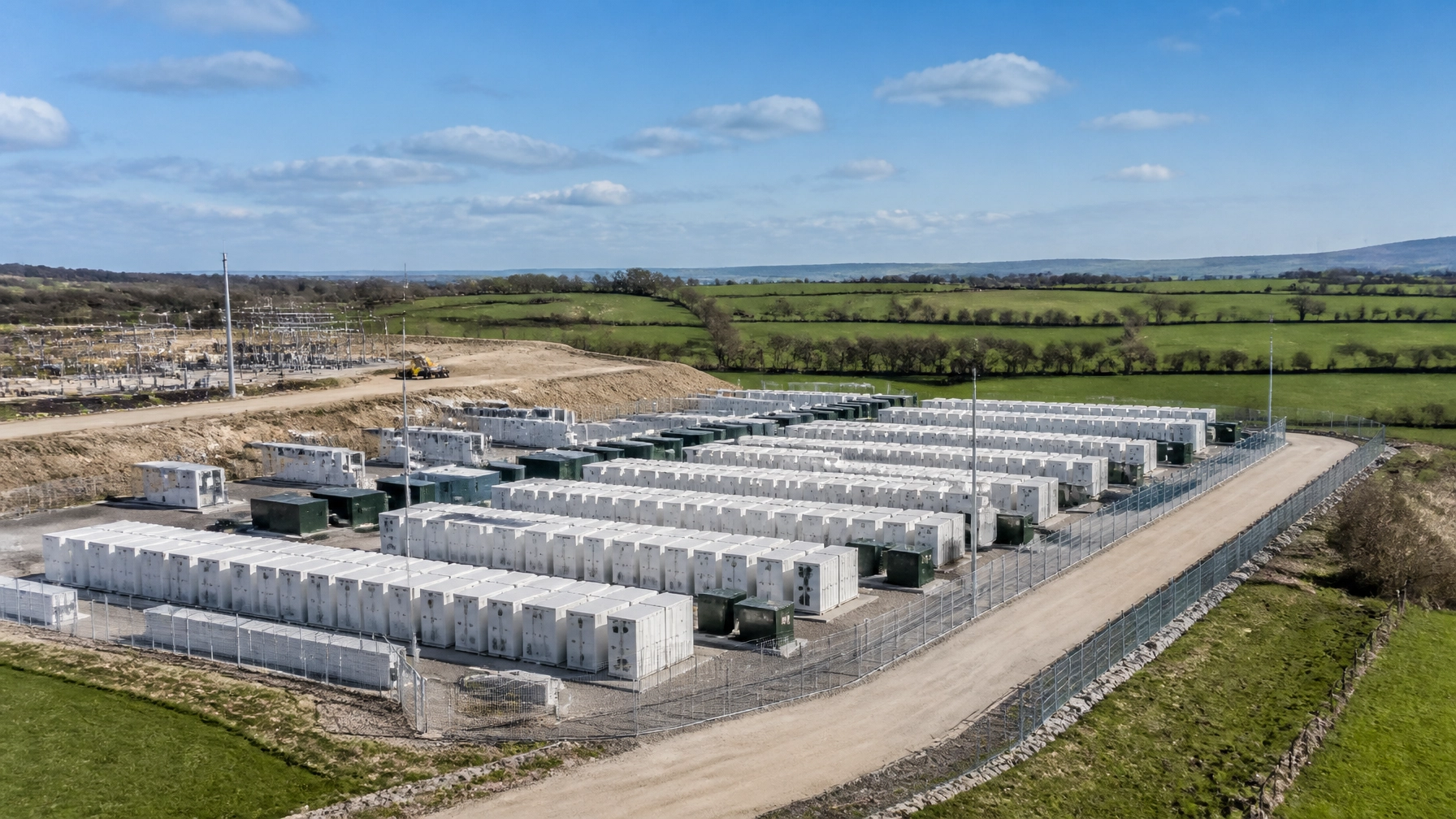
The resilience of the UK electricity network has become an increasingly hot topic as the country shifts away from fossil fuels. While wind and solar have grown rapidly, their intermittent nature presents a challenge: how to balance the grid when supply and demand don’t align. Most existing battery storage in the UK is designed for short bursts of power, typically lasting between one and two hours. These are excellent for managing sudden frequency changes on the grid but are less effective during prolonged periods of low renewable output. The sixteen projects approved in this latest round are different; they are designed to discharge power for anywhere between eight and twenty-two hours. This shift toward longer durations is what will allow the UK to truly move away from gas-fired peaking plants.
Among the projects that have made the list are some of the most ambitious engineering feats seen in the British energy sector for generations. Large-scale pumped hydro storage, which has seen very little new development since the 1980s, is making a major comeback. These facilities work by using surplus electricity to pump water from a lower reservoir to a higher one. When demand spikes, the water is released back down through turbines to generate power. It is a proven, reliable technology that can provide enormous amounts of energy over long periods. The provisional approval of these sites suggests a renewed confidence in the role of hydro-power as a backbone of the national grid.
Beyond hydro, the portfolio includes a range of other technologies that demonstrate the breadth of innovation occurring in the sector. Compressed air energy storage and advanced flow batteries are also represented. These technologies offer different advantages, such as the ability to be located in areas where the geography doesn't support hydro-power or the capacity to scale up storage without the degradation issues often seen in traditional lithium-ion batteries. By supporting a mix of technologies, the regulator is ensuring that the UK isn't putting all its eggs in one basket, creating a more flexible and adaptable energy system that can respond to various geographic and technical demands across England, Scotland, and Wales.
Scaling Up Long Duration Technologies
The scale of the projects currently moving through the approval process is staggering. In the highlands of Scotland, the Earba pumped storage project leads the pack with a massive 1.8-gigawatt capacity. To put that in perspective, it is capable of providing a significant portion of the UK's peak demand on its own. Not far behind is the Coire Glas project, which at 1.4 gigawatts represents another titan of the storage world. These are not just local improvements; they are national assets that will fundamentally change how electricity is moved around the country. By storing power close to where it is generated: often by the vast wind farms in the north: these projects reduce the need for expensive new transmission lines that would otherwise have to carry that power instantly to the south.
It isn't just about the giants of hydro-power, however. The list also features significant advancements in battery technology. The East Claydon project in England, for instance, is set to be a 500-megawatt long-duration lithium-ion battery system. While we are used to seeing lithium-ion used for short-term storage, this project and others like it are pushing the boundaries of what the chemistry can do, aiming for much longer discharge cycles than we have seen previously. Meanwhile, the inclusion of vanadium redox flow batteries and zinc-hybrid systems indicates a move toward chemistries that are potentially more sustainable and longer-lasting than traditional batteries, offering a lifecycle that can span decades rather than years.
The geographic distribution of these projects is also a key factor in the decision-making process. While the largest hydro schemes are concentrated in Scotland due to the terrain, other projects are spread across England and North Wales. This locational diversity is vital for managing the bottlenecks that often occur on the national grid. When the wind is blowing hard in the North Sea or across the Scottish moors, the grid can often become overwhelmed, meaning wind turbines have to be turned off because there is nowhere for the power to go. Having storage assets placed strategically around the country means that power can be captured and held locally, relieving the pressure on the main transmission arteries and ensuring that every kilowatt of clean energy generated is put to good use.
Reducing Costs and Supporting Renewables
Perhaps the most compelling argument for these storage projects is the impact they will have on consumer bills. Currently, when the grid is overloaded and renewables have to be switched off, the government: and ultimately the billpayer: has to pay "constraint payments" to the operators of those wind farms. These payments run into hundreds of millions of pounds every year. By providing a place for that excess power to go, these sixteen storage projects will drastically reduce the need for such payments. Furthermore, when the grid is under strain during high-demand periods, having a massive reserve of stored, cheap renewable energy will reduce the need to fire up expensive gas-fired power stations, which often set the price for electricity in the UK market.
The environmental benefits are equally significant. Every hour that the UK can run on stored renewable energy is an hour that it doesn't need to burn natural gas. This is particularly important during weather events such as the intense heatwaves seen in recent years. During these periods, demand for cooling spikes just as wind levels often drop. Long-duration storage acts as a giant green battery that can bridge these gaps, making the entire energy system more reliable and less dependent on fossil fuel imports. The goal is a grid that is not only carbon-neutral but also self-sufficient, protecting the country from the volatile price fluctuations of the global gas market.
Looking ahead, this minded-to-decision is just the beginning of a much larger programme of work. The consultation phase will allow stakeholders to provide feedback on the proposed list and the regulatory framework before final approvals are granted. There are already plans for further application windows in the coming years, as the UK aims to build a storage fleet that can support a fully decarbonised power system. The message from the regulator is clear: the era of wasting renewable energy is coming to an end. By investing in the infrastructure needed to hold onto that power, the UK is taking a decisive step toward a cleaner, cheaper, and more secure energy future. This portfolio of projects represents the most significant investment in the nation’s energy storage capacity in a generation, laying the foundations for a grid that is truly fit for the twenty-first century.