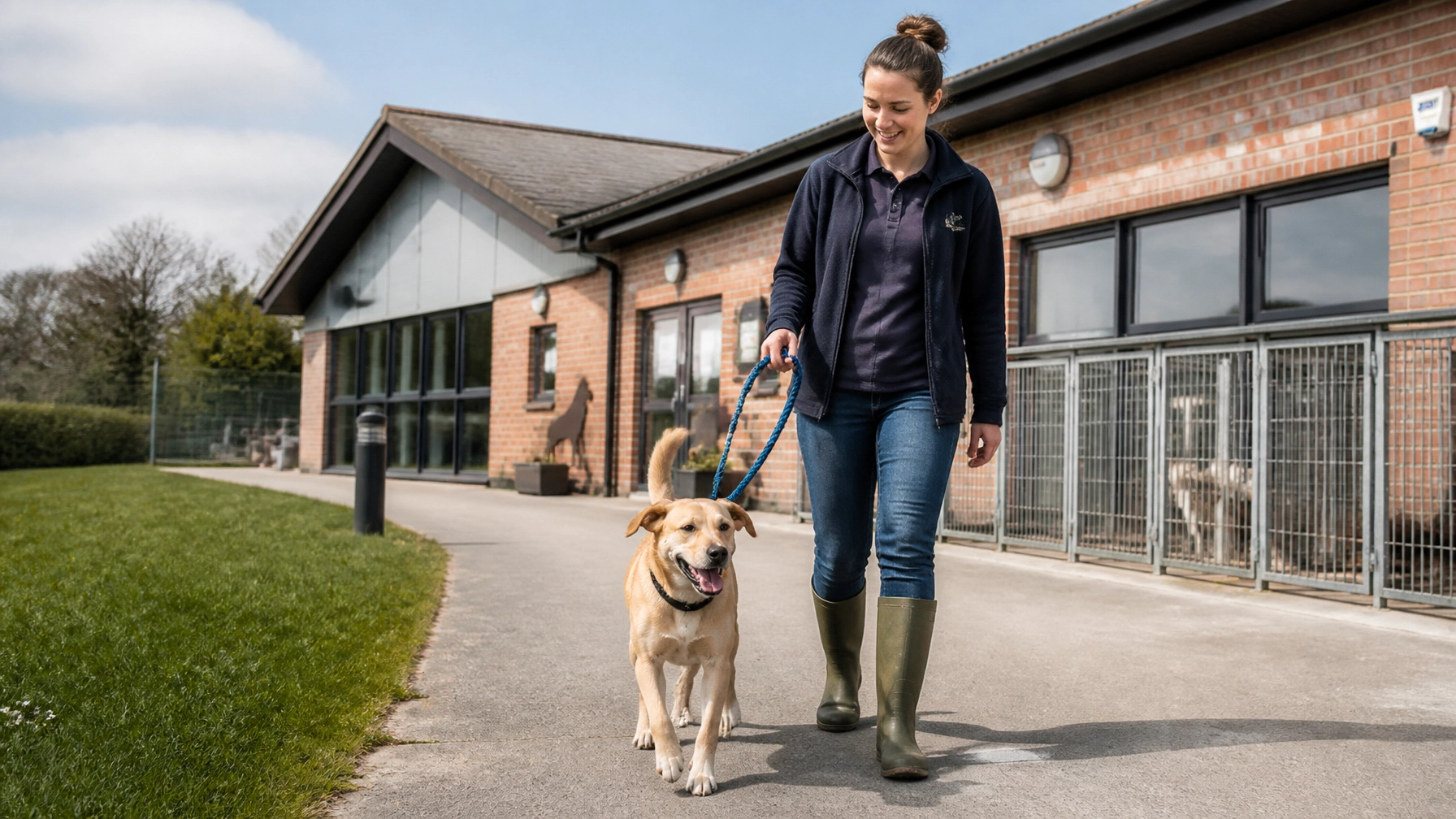
The Lancashire East Branch Animal Centre, a vital sanctuary for neglected and abandoned animals near Accrington, has been granted a significant reprieve following a desperate battle against closure. For months, the facility faced an uncertain future as mounting financial pressures threatened to shut its doors for good. However, a massive groundswell of public support has provided the centre with the necessary capital to remain operational for at least another twelve months. The rescue comes at a critical time for the branch, which serves as a frontline service for animal welfare across the region, providing kennels, veterinary care, and rehoming services for hundreds of animals every year.
Staff at the centre, who had previously warned that they were staring down a catastrophic deficit, described the response from the local community as nothing short of miraculous. The facility had been struggling with a perfect storm of rising costs, including astronomical utility bills for heating kennels and a sharp increase in the price of veterinary medicines and specialist food. Compounding these issues was a noticeable decline in legacy donations: the gifts left in wills that traditionally form the backbone of the branch’s long-term funding. Without the intervention of local residents and businesses, the 21 kennels on-site would have been decommissioned by the end of the quarter.
The fundraising drive, which began in earnest four months ago, saw a diverse array of supporters come forward. From small individual donations to large-scale community events, the collective effort highlighted the deep-seated connection between the animal centre and the people of Lancashire. Schools, social clubs, and local sports teams all contributed to the pot, ensuring that the message of the centre's plight reached every corner of the county. The success of this appeal has not only secured the immediate future of the building but has also bolstered the morale of the volunteers and employees who have spent months working under the shadow of redundancy.
A Groundswell of Public Generosity
The scale of the individual giving has been the most surprising element of the rescue campaign. In just 120 days, donors from across the region contributed approximately £77,000 to the emergency fund. These contributions ranged from children donating their pocket money to pensioners setting up monthly standing orders to ensure a steady stream of income for the centre. Many of those who donated cited their own experiences of adopting pets from the Lancashire East Branch, noting that the loss of such a facility would leave a permanent scar on the local community’s welfare infrastructure.
This influx of cash was driven by a sense of urgency that resonated through social media and local town halls. Public meetings were held to discuss the impact of the potential closure, with many expressing concern that animal abandonment rates were already at a record high. The branch is often the last line of defence for animals rescued from abusive environments or those whose owners can no longer afford to keep them due to the ongoing cost-of-living crisis. By securing £77,000 from the public, the centre has proven that despite the economic hardships facing many households, animal welfare remains a top priority for the British public.
The fundraising efforts included sponsored walks, bake sales, and even local marathon runners dedicating their miles to the "save our shelter" cause. One particularly notable contribution came from a group of local school children who organized a series of events that raised thousands of pounds, demonstrating that the centre's mission to educate the next generation about animal empathy is already bearing fruit. This public money will be used primarily to cover the day-to-day running costs that had become unmanageable, including the essential maintenance of the ageing kennel blocks and the staff salaries required to provide round-the-clock care for the residents.
Corporate Partnerships and Financial Stability
While individual donations formed the bulk of the rescue package, the involvement of the business community proved to be the final piece of the puzzle. Corporate sponsors stepped in with an additional £33,000, bringing the total raised during the four-month window to £110,000. These partnerships represent a shift in how the branch intends to manage its finances moving forward, moving away from a total reliance on unpredictable legacies and towards more structured, long-term relationships with local industry. Several firms have not only provided cash injections but have also pledged in-kind support, such as maintenance services and pet supplies.
The corporate funding was led by several prominent local employers who recognized the social value the animal centre provides. For these businesses, supporting the RSPCA branch is seen as an investment in the community's well-being. The £33,000 has been earmarked for specific capital projects that will help the centre become more energy-efficient, thereby reducing its overheads in the long run. Plans are already in motion to upgrade the insulation in the cattery and install more efficient heating systems in the dog kennels, which are currently among the most expensive areas of the facility to maintain.
This collaboration between the charity and the private sector is expected to serve as a blueprint for other RSPCA branches across the country that are facing similar financial headwinds. By diversifying their income streams, the Lancashire East Branch aims to avoid another "cliff-edge" scenario where the threat of closure becomes an immediate reality. The corporate sponsors have also expressed an interest in volunteer days, where employees can spend time at the centre assisting with animal care and site maintenance, further strengthening the bonds between the facility and the local economy.
Securing a Sustainable Long-Term Future
The primary goal for the next twelve months is to transition from emergency survival to a model of sustainable growth. While the £110,000 raised provides a comfortable cushion, the branch management is under no illusions about the challenges that lie ahead. The animal welfare sector is currently navigating a period of unprecedented demand, with the number of animals coming into care far outstripping the number of households looking to adopt. This pressure requires the centre to be more innovative in its approach to rehoming and community outreach.
One area of focus will be the expansion of the branch’s fostering scheme. By placing more animals in temporary homes, the centre can reduce the strain on its physical kennels and lower the associated costs of on-site care. This strategy also benefits the animals, who often thrive more in a domestic environment than in a shelter setting. The funds raised will help provide the necessary training and resources for new foster carers, ensuring they have the support needed to look after animals with complex behavioural or medical needs.
The next year will also see the branch exploring new ways to engage with the public, including educational programmes aimed at preventing animal abandonment before it happens. By working with local authorities and community groups, the Lancashire East Branch hopes to address the root causes of the welfare crisis, such as the lack of affordable veterinary care for low-income families. While the immediate threat of closure has been lifted, the hard work of building a permanent, secure home for the region's most vulnerable animals is only just beginning. The community has spoken, and their message is clear: the animal centre is an essential part of Lancashire life, and they are prepared to fight to keep it.