The British landscape is set for a significant transformation as the government rolls out an ambitious plan to turn hundreds of thousands of hectares of public land into thriving havens for wildlife. This new initiative, known as the Government Estate Nature Plan, marks a radical shift in how the state manages its vast property portfolio. By moving away from a patchwork of isolated conservation projects, the strategy aims to create a joined-up network of nature recovery across more than 577,000 hectares. This area represents roughly four per cent of England’s entire landmass, making it one of the most substantial commitments to biodiversity in recent history. From the high-security perimeters of prisons to the vast training ranges used by the military, the goal is to ensure that every corner of the government estate contributes to the nation’s climate and nature targets.
For decades, various departments have managed their own pockets of greenery with varying degrees of success. However, these efforts have often been fragmented, leaving wildlife trapped in "islands" of habitat surrounded by urban sprawl or industrial infrastructure. The new plan seeks to break down these barriers, treating the collective government landholding as a single, living ecosystem. This "whole estate" approach is not just about planting a few more trees; it is about a fundamental rethink of land use. It involves everything from restoring ancient peatlands on Ministry of Defence land to creating wildflower meadows within the grounds of Category C prisons. By coordinating these efforts, the government hopes to create larger, more resilient habitats that can support a wider variety of species and help the country adapt to a changing climate.
Transforming the public landscape
The sheer scale of the land involved in this project is difficult to overstate. The Ministry of Defence alone is one of the UK’s largest landowners, managing vast swathes of countryside that have, ironically, remained relatively untouched by intensive farming or urban development precisely because they are used for military training. These sites already host some of the country’s rarest species, from the smooth snake to the sand lizard, which thrive in the undisturbed heathlands and grasslands of Salisbury Plain and beyond. Under the new plan, the management of these areas will be intensified to ensure that they are not just "protected" by default, but actively managed to boost their ecological value. This includes the restoration of degraded soils and the expansion of native woodlands, creating a buffer zone against the loss of species seen in other parts of the country.
Parallel to the military's involvement is a surprising new role for the justice system. The Ministry of Justice manages a significant amount of land surrounding prisons and courts, much of which has traditionally been kept as simple, mown grass for security and maintenance reasons. The new Nature Recovery Plan for the justice estate will see these areas transformed. Prison grounds will become sites for carbon sequestration and biodiversity, with the introduction of ponds, orchards, and diverse grasslands. This shift is not only beneficial for the environment but is also expected to have a positive impact on the well-being of those within the system. Research has long shown that access to nature can reduce stress and improve mental health, and while security remains the primary concern, the integration of managed green spaces is seen as a way to create a more rehabilitative environment while simultaneously hitting national environmental targets.
Connecting corridors and infrastructure
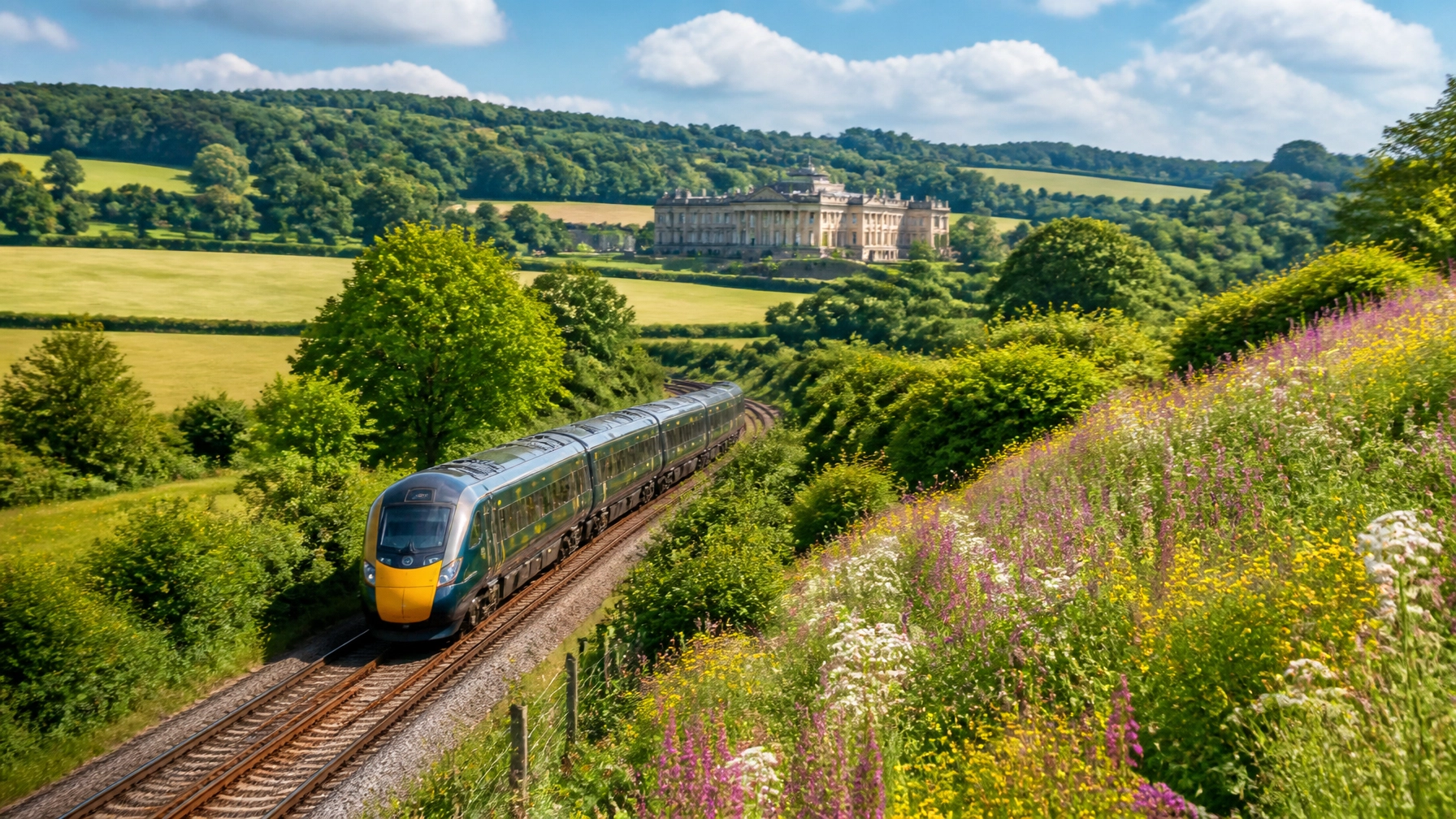
One of the most critical elements of this new strategy is the role of infrastructure, particularly the nation’s railway network. The corridors that run alongside thousands of miles of track are effectively "nature highways," providing a way for species to move across a landscape that is otherwise fragmented by roads and housing. Historically, these embankments have been managed primarily for safety: keeping trees away from the lines and ensuring visibility for drivers. The new plan calls for a smarter approach to land use, where these corridors are managed as vital links in a national nature network. By encouraging the growth of native scrub and wildflowers along these tracks, the government can help bees, butterflies, and birds travel safely between larger blocks of habitat.
This focus on connectivity is essential for the long-term survival of many British species. As the climate changes, animals and plants need to be able to move north or to higher altitudes to find suitable conditions. When habitats are isolated, species are effectively "boxed in" and far more vulnerable to extinction. By using railway embankments, highway verges, and other government-owned strips of land as corridors, the plan creates a skeleton of green infrastructure that supports the wider recovery of nature. This isn't just about the land the government owns directly; it is about how that land interacts with the surrounding countryside. A well-managed railway embankment can link a local nature reserve with a distant woodland, creating a much larger functional area for wildlife than either site could provide on its own.
Achieving the 30 by 30 vision
The timing of this announcement is no coincidence. It aligns with the international commitment to protect 30 per cent of land and sea for nature by the year 2030, a goal often referred to as "30 by 30." For England to meet this target, it cannot rely solely on existing national parks and areas of outstanding natural beauty, many of which are currently in poor ecological condition. The government estate represents a unique opportunity to lead by example. Because the state has direct control over these 577,000 hectares, it can implement changes much more quickly than through complex negotiations with private landowners. By turning 4 per cent of England’s land into a model for nature recovery, the government is setting a benchmark for what can be achieved when land is managed with a "nature-first" mindset.
Looking ahead, the success of this plan will depend on consistent funding and a genuine commitment to ecological monitoring. It is one thing to announce a plan for over half a million hectares, but it is another to ensure that those hectares are actually delivering for nature. The move towards a coordinated approach suggests a more professionalised way of managing the state’s natural assets. It involves using data and mapping to identify where restoration will have the biggest impact and ensuring that staff on the ground: whether they are prison officers or defence contractors: understand their role in this national mission. As the project develops, it will likely provide a blueprint for how other large-scale landowners can transition from traditional land management to a model that prioritises the restoration of the natural world. This isn't just a policy for the countryside; it is a fundamental shift in how the nation values its public land in an era of climate emergency.