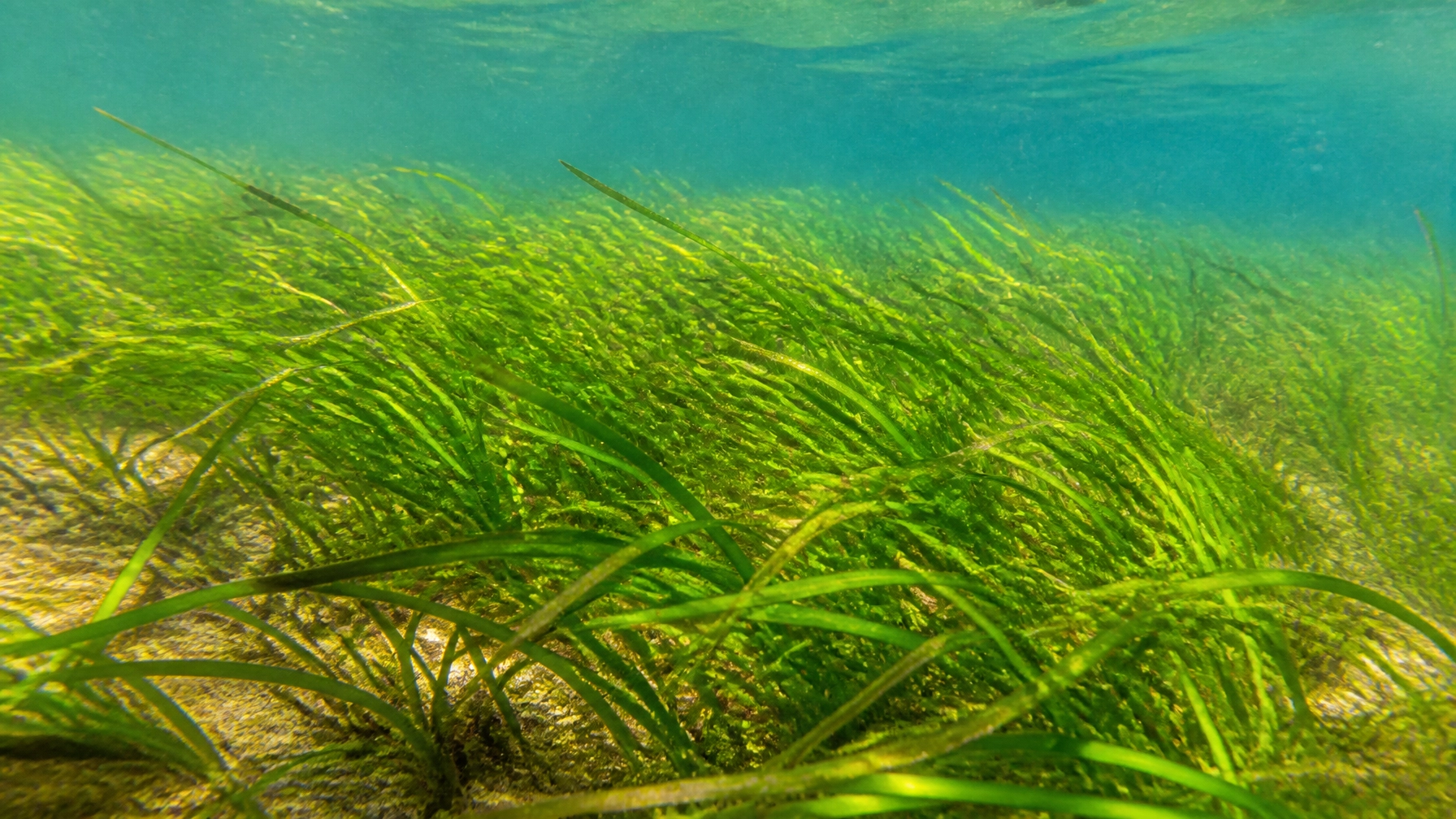
The Greater Thames Estuary is witnessing a historic transformation this month as conservationists undertake one of the most ambitious marine restoration projects in British history. Under the banner of the Transforming the Thames initiative, hundreds of seagrass cores have been carefully relocated to revive the fragile underwater meadows that once carpeted the river’s bed. This massive logistical effort, led by the Zoological Society of London (ZSL), marks a pivotal moment in the recovery of an ecosystem that has suffered for decades from industrial pollution, rising temperatures, and the physical pressures of urban expansion.
The operation, which took place over several days in June 2026, involved the delicate transplantation of nearly 1,000 mud tubes containing dwarf eelgrass shoots. These plants were sourced from healthy donor sites in Essex and moved across the water to Egypt Bay in Kent. The goal is simple yet profound: to kickstart a biological recovery that will eventually span hundreds of hectares, turning the muddy reaches of the estuary into a thriving nursery for marine life and a powerful tool in the fight against climate change. For many involved, the success of this week’s operation represents the first step in a five-year journey to restore the natural resilience of the Thames.
A New Future for the Greater Thames Estuary
The history of the Thames is often told through its industrial past, but its ecological future is now the priority. For centuries, seagrass meadows acted as the lungs and the kidneys of the estuary, filtering the water and providing a sanctuary for countless species. However, as the region grew, these meadows were almost entirely wiped out. Today, the Transforming the Thames programme, a multi-million-pound partnership involving twenty different organisations, is working to reverse that decline. The initiative is targeting 14 specific sites across the estuary, with an immediate aim of restoring 320 hectares of coastal habitat, including saltmarsh and native oyster beds alongside the seagrass.
The restoration at Egypt Bay is the centrepiece of this phase. This particular site on the Hoo Peninsula was chosen for its suitable mudflat conditions and its potential to connect with other recovering habitats. By reintroducing dwarf eelgrass, conservationists are not just planting greenery; they are rebuilding a complex biological network. These meadows are essential for biodiversity, offering a home to everything from tiny invertebrates to larger predators. As the plants take root and spread via their underground rhizomes, they create a stable environment that can withstand the increasingly volatile weather patterns seen in the south of England.
The scale of the ambition goes far beyond the current planting cycle. Experts believe the Greater Thames Estuary has the potential to support up to 10,000 hectares of seagrass if the restoration is allowed to reach its full potential. This vision is supported by a growing understanding of how these habitats interact. Saltmarshes and oyster reefs work in tandem with seagrass to break the energy of waves, preventing coastal erosion and protecting local communities from flooding. The current effort is a proof-of-concept that demonstrates how large-scale nature recovery can coexist with one of the world's busiest shipping lanes.
Transplanting Life Across the Mudflats
Moving a thousand cores of living seagrass from Essex to Kent is no small feat of engineering or biology. The process began at Leigh-on-Sea, where teams of scientists and volunteers spent hours in the intertidal zone, carefully extracting cylindrical plugs of mud. Each core contains several shoots of dwarf eelgrass, known scientifically as Zostera noltii. Because these plants are incredibly sensitive to changes in their environment, the window for moving them is narrow. They must be kept moist and transplanted quickly to ensure the highest possible survival rate.
Logistics for the operation were facilitated by a hovercraft, which allowed the team to navigate the treacherous mudflats of the estuary without damaging the existing delicate environment. The hovercraft ferried equipment, personnel, and the precious cargo of eelgrass tubes across the water to Egypt Bay. Once on site, the cores were manually planted into the sediment during low tide. Each tube is designed to give the young shoots a foothold in the shifting mud, protecting them from being swept away by the strong currents of the Thames until they can establish a firm root system.
Alongside the physical transplantation, the team is also utilising innovative techniques such as Direct Injection Seeding. This involves using a modified delivery system to inject a mixture of mud and seagroass seeds directly into the seabed. This method is being trialled at several sites across Kent, including Elmley and Seasalter, to determine the most cost-effective way to scale up restoration in the coming years. Early data suggests that combining transplanting with seeding leads to much faster meadow expansion, as the mature shoots provide shelter for the germinating seeds. This dual approach is essential if the project is to meet its target of covering one-and-a-half football pitches’ worth of ground at Egypt Bay by the end of the season.
Marine Ecosystems and Blue Carbon Benefits
The return of seagrass to the Thames is about more than just aesthetics or conservation for its own sake. It is a critical component of the UK’s climate resilience strategy. Seagrass is one of the most effective natural carbon sinks on the planet, capable of capturing and storing carbon dioxide up to 35 times faster than tropical rainforests. This "blue carbon" is locked away in the sediment for centuries, making seagrass meadows a vital ally in reducing the atmospheric carbon load. By restoring these habitats, the Thames is effectively being turned into a massive, natural carbon capture facility.
Beyond carbon, the ecological benefits are immediate. As the meadows at Egypt Bay grow, they will become a primary nursery ground for commercially important fish species like sea bass and herring. There is also hope that the increased habitat will encourage the return of more exotic species. Seahorses and even certain types of small sharks are known to frequent seagrass beds in other parts of the UK, and their presence in the Thames would be a powerful indicator of the river’s health. The meadows also improve water clarity by trapping suspended sediments and absorbing excess nutrients, which helps to prevent toxic algal blooms.
This project is a testament to what can be achieved through collaborative action. By bringing together local knowledge, scientific expertise, and a shared vision for a healthier estuary, the Transforming the Thames partnership is setting a new standard for marine restoration. The work being done today in the mud of Kent and Essex will benefit generations to come, providing a cleaner, more resilient, and more biologically diverse river. As the new shoots of eelgrass begin to spread across the Hoo Peninsula, the Thames is finally beginning to look like the vibrant natural waterway it was always meant to be. This is a story of recovery that proves that even the most industrialised landscapes can be brought back to life if given the chance.