For years, the corner of Tower Street in Peterborough was known for all the wrong reasons. Discarded mattresses, rusted appliances, and bags of household waste had become a permanent fixture on a patch of land that should have been a communal asset. However, a dedicated group of local residents has successfully reclaimed the space, transforming what was once a notorious fly-tipping hotspot into a thriving community garden that is now the pride of the neighbourhood.
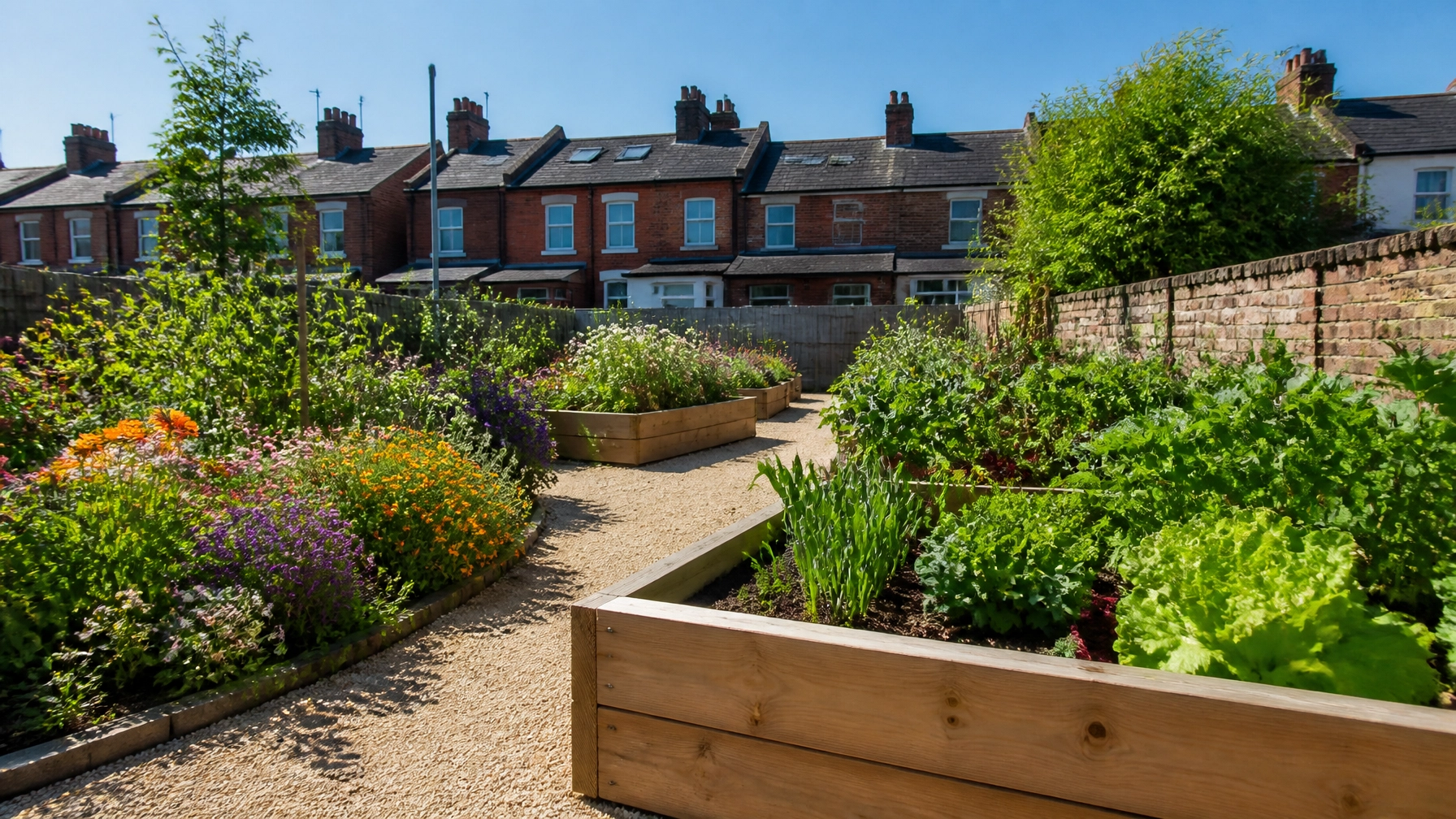
The transformation did not happen overnight. It began with a few neighbours who were tired of the eyesore on their doorstep and the persistent smell of neglected rubbish. What started as a modest clean-up operation has blossomed into a full-scale horticultural project, complete with raised beds, flowering perennials, and a seating area designed to bring people together. The project stands as a testament to the power of local action in the face of urban decay, proving that even the most neglected corners of a city can be revived with enough passion and persistence.
The site on Tower Street had long been a headache for both residents and the local council. Despite regular collections, the land seemed to attract new deposits of waste almost as soon as it was cleared. This cycle of neglect had a demoralising effect on the local community, contributing to a sense that the area was being forgotten. By taking direct ownership of the land, the volunteers have broken that cycle, replacing the grey monotony of concrete and litter with a burst of natural colour and life.
From dumping ground to urban oasis
The initial phase of the project was undoubtedly the most challenging. Before any planting could take place, the volunteers had to shift several tonnes of accumulated debris. Working over several weekends, the team cleared everything from broken glass to old tyres, eventually reaching the soil beneath. For many of those involved, the sheer volume of waste was a shock, but it served to strengthen their resolve. They weren't just cleaning a street; they were reclaiming their environment.
Once the land was clear, the focus shifted to design and sustainability. The residents wanted a space that was not only beautiful but also functional and easy to maintain. They sourced recycled timber to build sturdy raised planters, which were then filled with nutrient-rich compost. Selecting the right plants was crucial; the garden needed to be resilient enough to survive the urban environment while providing a haven for local pollinators like bees and butterflies. Lavender, marigolds, and various hardy shrubs were chosen for their durability and vibrant displays.
As the first shoots began to appear, the atmosphere on Tower Street began to change. Passers-by who had previously hurried past the site now stopped to chat with the volunteers or simply to admire the progress. The physical transformation of the land was mirrored by a shift in the community's spirit. The "urban oasis," as it has come to be known, has provided a focal point for positive interaction in an area that previously felt fragmented. It serves as a reminder that the environment we live in profoundly affects our collective well-being.
A community united against anti-social behaviour
One of the most significant benefits of the Tower Street project has been its impact on anti-social behaviour. Fly-tipping is rarely an isolated issue; it often goes hand-in-hand with other forms of neglect that can make residents feel unsafe. By turning a derelict site into a well-cared-for garden, the volunteers have sent a clear message that the community is watching and that they take pride in their surroundings. This "broken windows" theory in reverse has seen a marked decrease in illegal dumping since the garden was established.
The project has also fostered a sense of intergenerational connection. Local schools have expressed interest in using the garden as an educational resource, where children can learn about where their food comes from and the importance of biodiversity. Older residents, some of whom have lived on Tower Street for decades, have shared their gardening expertise with younger volunteers, passing on skills that might otherwise be lost. This sharing of knowledge and effort has created a stronger social fabric, making the neighbourhood feel more like a village within the city.
The success of the garden has also forced a rethink in how local authorities view such spaces. While the council initially viewed the land as a liability, the residents' initiative has demonstrated that community-led management can be far more effective than top-down enforcement. The volunteers have established a rota for watering and weeding, ensuring that the garden remains in top condition throughout the year. Their commitment has shown that when people are given the opportunity to take responsibility for their local area, they will often go above and beyond what is expected of them.
Cultivating a sustainable future for Tower Street
As the garden enters its second season, the volunteers are looking for ways to expand its impact. Plans are already in motion to introduce a small composting scheme, allowing residents to recycle their organic waste and use the resulting mulch to nourish the garden's soil. There is also talk of installing a rainwater harvesting system to make the garden more self-sufficient during the drier summer months. These additions represent the next step in the project's evolution, moving from a simple clean-up to a model of urban sustainability.
The ambition doesn't stop at the borders of Tower Street. The success of this project has inspired residents in nearby streets to look at their own local "grot spots" with fresh eyes. There is a growing movement in Peterborough for more pocket gardens and community-managed green spaces, driven by the realisation that even small interventions can have a huge impact on quality of life. The Tower Street volunteers have become unofficial consultants for these new groups, sharing the lessons they learned about everything from soil quality to community engagement.
Ultimately, the transformation of the Tower Street litter hotspot is about more than just plants and flowers. It is about the dignity of a neighbourhood and the right of every citizen to live in a clean, safe, and beautiful environment. It highlights the fact that while large-scale regeneration projects often grab the headlines, it is often the small-scale, grassroots efforts that make the biggest difference to people's daily lives. As the sun sets over the newly green corner of Peterborough, it is clear that the seeds of change have firmly taken root, promising a brighter and more vibrant future for all who call this community home.