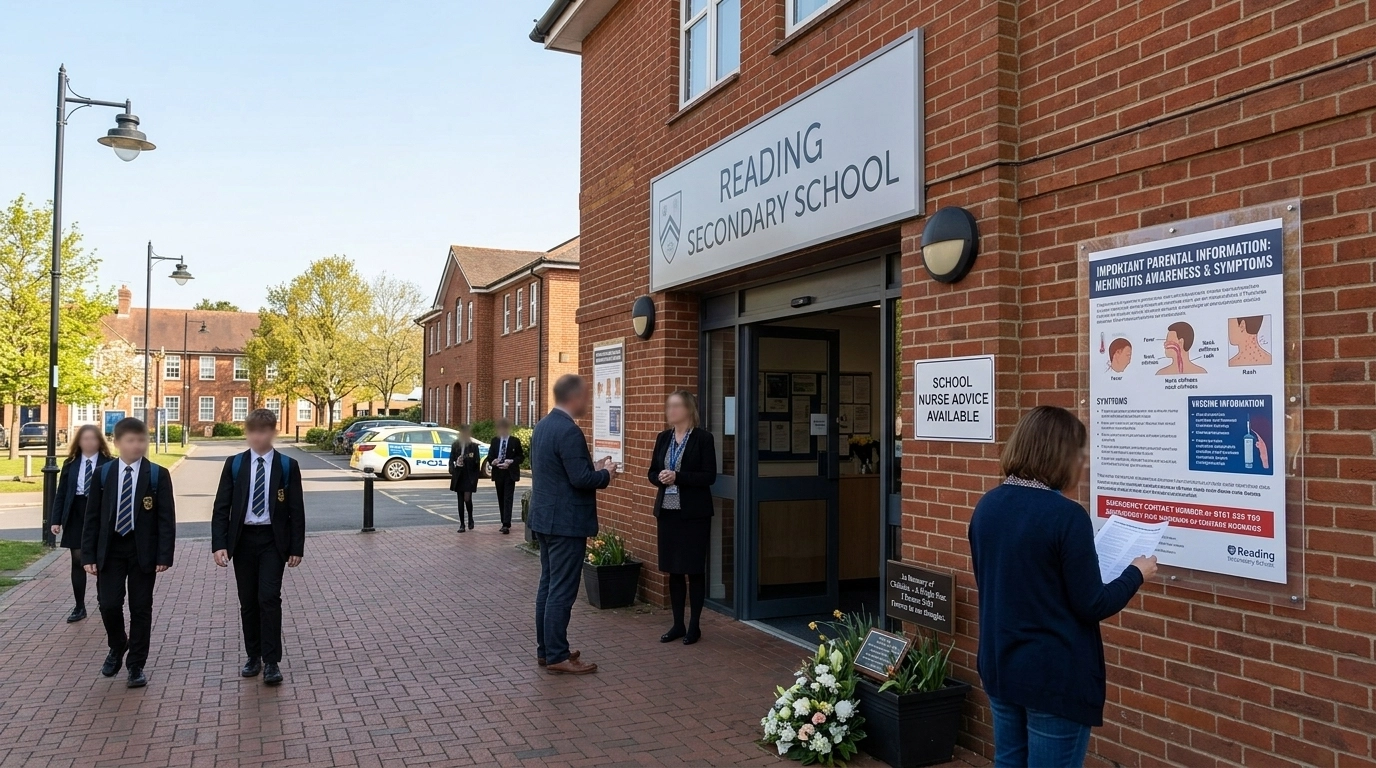
The community in and around Reading is on high alert following reports that two pupils from different local schools are receiving treatment for meningitis. This news comes shortly after the tragic death of a student from a nearby town, sparking concerns among parents, staff, and the wider student population. While the situations are being managed by health professionals, the coincidence of these cases has led to a coordinated response from public health authorities to ensure the safety of the local population.
The UK Health Security Agency (UKHSA) has confirmed that they are working closely with the schools involved to monitor the situation. One of the pupils in Reading has been diagnosed with the Meningitis B (MenB) strain. Health officials have been quick to clarify that this specific strain does not appear to be linked to other clusters seen in different parts of the country earlier this year. The death of the student at Henley College, which serves many young people from the Reading and Berkshire area, has added a layer of urgency to the public health messaging, though officials maintain that the overall risk to the public remains low.
Meningococcal disease is a serious illness, but it is known to be difficult to spread. It typically requires close, prolonged contact, such as living in the same household or intimate kissing. Because the bacteria do not survive long outside the human body, the risk of an outbreak across an entire school or workplace is generally considered minimal. However, the severity of the condition means that every case is treated with the utmost seriousness, leading to the proactive measures currently being observed in the Reading area.
Response from Health Authorities
In the wake of these confirmed cases, the UKHSA has implemented a standard but rigorous public health protocol. This includes identifying all individuals who may have been in close contact with the affected pupils. These close contacts are being contacted directly and offered a course of precautionary antibiotics. In some instances, depending on the specific strain identified and the individual’s vaccination history, a booster vaccine may also be administered to provide further protection.
Public health officials have been clear that there are currently no plans for a widespread vaccination programme across the Reading area. They believe the targeted approach of treating close contacts is the most effective way to contain the spread of the bacteria. Local NHS teams are also supporting the schools by providing information packs and holding briefing sessions for concerned parents. The goal is to provide factual information that can help reduce anxiety while ensuring that everyone knows what to look for should further symptoms arise.
The coordination between the UKHSA, the local NHS trusts, and the school leadership teams is vital in these circumstances. Schools have been advised to remain open, and students are encouraged to attend as normal unless they are feeling unwell. Maintaining a sense of routine is often seen as beneficial for the well-being of the student body, provided that the health risks are being managed transparently and effectively in the background.
The specific identification of Meningitis B in one of the Reading cases is a detail that health experts are monitoring closely. MenB is one of the most common causes of bacterial meningitis in the United Kingdom. While the MenB vaccine was introduced into the routine childhood immunisation schedule in 2015, many older students or those who moved to the UK from countries without a similar programme may not have received it. This gap in immunity is why public health messaging often targets teenagers and young adults, who are statistically at a slightly higher risk of carrying and spreading the bacteria.
Identifying the Warning Signs
One of the most critical aspects of managing a meningitis scare is ensuring that the community is well-versed in the symptoms. Meningitis is the inflammation of the lining around the brain and spinal cord, and it can progress very quickly. Often, the early signs can be mistaken for a common flu or a bad hangover, which is why awareness is so important. Common symptoms include a high temperature, a severe headache, and a stiff neck. However, there are other signs that are more specific to the condition.
Many people are familiar with the “glass test” for a meningitis rash. This involves pressing a clear glass firmly against a red or purple rash to see if it fades. If the rash remains visible through the glass, it is a medical emergency. However, health experts stress that a rash is often a late sign of the illness, and one should not wait for it to appear before seeking help. Other warning signs include a sudden dislike of bright lights, confusion, extreme drowsiness, and seizures. In some cases, patients might experience cold hands and feet despite having a high fever.
Vigilance is particularly important for those in the 15 to 24 age bracket. This group is more likely to carry the meningococcal bacteria in the back of their noses and throats without being ill themselves. During times of stress, such as exam seasons, or in crowded environments like colleges and universities, the bacteria can more easily be passed from person to person. While most people who carry the bacteria never get sick, they can unintentionally pass it on to someone who might develop the full disease.
For parents in the Reading area, the advice is to trust their instincts. If a child or young person seems unusually ill or their condition is deteriorating rapidly, it is better to seek medical advice early. The NHS 111 service and local A&E departments are prepared for such inquiries and would rather see a patient who turns out to have a minor viral infection than miss a case of meningitis that could have been treated sooner.
Community Support and Safety
The emotional impact of a student death and the subsequent hospitalisation of other pupils cannot be understated. Schools in Reading are providing additional counselling services to help students process the news and manage their fears. Open conversations are being encouraged within the classroom to dispel myths and provide a safe space for young people to ask questions.
From a practical standpoint, the community is being reminded of the importance of general hygiene. Simple actions like not sharing water bottles, vapes, or cutlery can reduce the transmission of many different types of bacteria and viruses. While these measures are not a substitute for vaccination or medical treatment, they contribute to a healthier environment overall.
The focus remains on the recovery of the two pupils currently in hospital. Their families have requested privacy during this difficult time, but the outpouring of support from the local community has been significant. It serves as a reminder of the strength of the local network in Reading and the surrounding towns. As the situation evolves, the UKHSA will continue to provide updates to the schools and the public.
For now, the message from health officials is one of cautious calm. By following the advice of medical professionals and staying informed about the symptoms, the community can help prevent further cases. The resilience shown by the schools involved is a testament to the dedication of teachers and support staff who are navigating this public health challenge while continuing to provide an education for their students. The priority continues to be the health and safety of every young person in the region, ensuring that the necessary medical support is always just a phone call away.
Monitoring the health of the student population will continue for several weeks, as the incubation period for meningitis can vary. However, with the proactive measures already in place, there is a strong sense of hope that the current cases will be contained and that those currently in treatment will make a full recovery. Public health remains a collective responsibility, and the response in Reading demonstrates how effectively a community can come together when faced with such a serious situation.