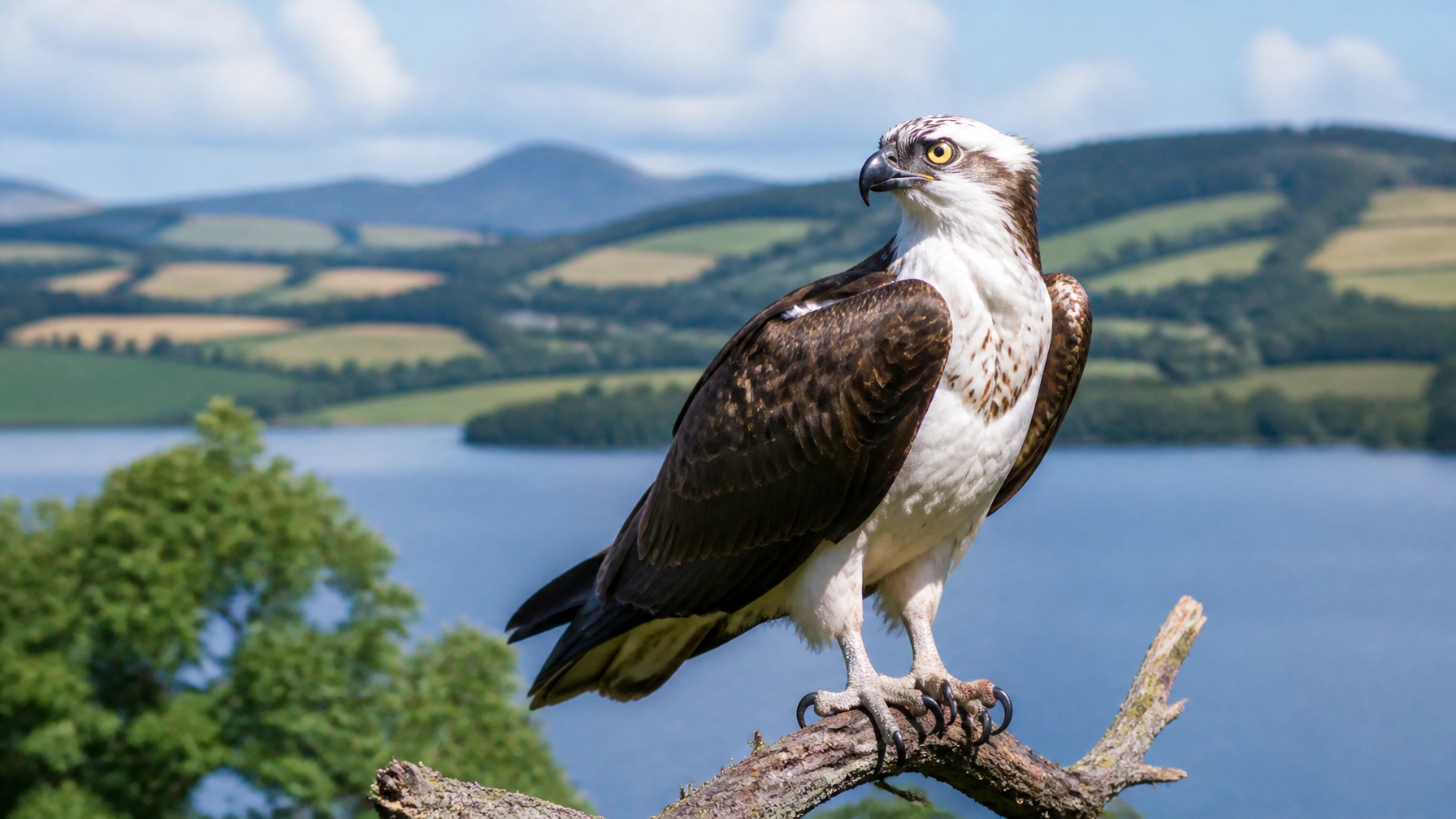
Wildlife experts across the country are celebrating what is being described as a landmark year for the British osprey population.
After decades of intensive conservation work and carefully managed reintroduction programmes, the 2026 breeding season has seen an unprecedented number of chicks hatching in nests from the Scottish Highlands to the south coast of England. Initial reports from monitoring stations and satellite-tracked nests suggest that the total number of successful fledglings could exceed all previous records since the species began its slow return to the UK in the mid-20th century.
The sight of these magnificent birds of prey, once extinct as a breeding species in Britain, is becoming a more common feature of the British summer. From the early arrivals in late March to the frantic activity of the hatching period in May and early June, the season has been bolstered by a combination of favourable weather conditions and an expanding network of suitable habitats. This year’s surge is not just a triumph of numbers; it represents a significant expansion in the geographical spread of the species, with nests being established in counties where ospreys have not been seen for centuries.
In regions such as Rutland Water, where the first reintroduction project in England began thirty years ago, the numbers have been particularly encouraging. Similar success stories are emerging from the Dyfi Osprey Project in Wales and the newly established breeding pairs in Poole Harbour. The success of these sites has provided a blueprint for how community engagement and dedicated ecological management can bring a species back from the brink. The record numbers recorded this week are the culmination of thousands of hours of volunteer monitoring and the protection of nesting sites from disturbance.
A Historic Rebirth for British Wetlands
The recovery of the osprey is often cited as one of the greatest success stories in British conservation history. By the early 20th century, the birds had been driven to extinction in the UK due to heavy persecution and the loss of habitat. It was not until the 1950s that a single pair naturally recolonised at Loch Garten in the Highlands, sparking a national effort to protect and encourage their return. Since then, the trajectory has been one of steady growth, but the 2026 season marks a definitive leap forward in the population's stability.
The record-breaking hatching rates this year are attributed to a variety of environmental factors. A particularly mild spring provided the perfect conditions for the migratory birds returning from West Africa, ensuring they arrived in peak physical condition for the breeding cycle. Abundant fish stocks in local reservoirs and coastal estuaries have also played a crucial role, providing the high-protein diet necessary for the chicks to thrive during their first few weeks of life. Conservationists have noted that the health of the chicks appears exceptionally high, with fewer losses due to starvation or predation than in previous years.
Beyond the immediate numbers, the success of this season highlights the importance of the UK's wetland ecosystems. Ospreys are an indicator species, meaning their health reflects the health of the environment they inhabit. The fact that so many nests are successfully producing multi-chick broods suggests that the waterways and lakes they depend on are in a better state than they have been in recent decades. Efforts to reduce water pollution and manage fish populations are clearly paying dividends, not just for the ospreys, but for the entire biodiversity of these vital landscapes.
Technology and the Modern Monitoring Era
One of the reasons we are able to track this record season with such precision is the advancement of monitoring technology. High-definition nest cameras, many of which are now livestreamed to thousands of viewers globally, provide a window into the private lives of these birds that was previously impossible. These tools allow researchers to record the exact moment of hatching, the frequency of feedings, and the interaction between siblings without causing any physical disturbance to the nest.
Satellite tagging has also revolutionised our understanding of osprey behaviour. By tracking individual birds on their incredible 3,000-mile migration journeys, conservationists can identify the specific challenges they face outside of the UK. This data has shown that the birds returning this year have successfully navigated through their wintering grounds and migration corridors, arriving back in Britain with a high degree of site fidelity. This means they are returning to the same nests year after year, reinforcing the importance of protecting these specific locations through legal designations and local stewardship.
The data gathered during this record season will be instrumental in planning future conservation strategies. Understanding why certain nests are more successful than others allows for the creation of more artificial nesting platforms in strategic locations. These platforms have been vital in helping the population expand into areas with few natural tall trees near water. By mimicking the birds' preferred nesting sites, conservationists have been able to "fast-track" the colonisation of new territories, leading directly to the record numbers we are witnessing today.
The Future of the Osprey in the British Landscape
As we look toward the remainder of the summer, the focus shifts from hatching to the equally critical fledging period. The chicks will need to grow rapidly over the coming months, developing the strength and flight feathers required for their first migration south. If the current trends continue and the weather remains stable, 2026 is set to go down in the annals of ornithological history as the year the osprey truly reclaimed its place as a staple of the British wilderness.
The broader impact of this success is felt far beyond the scientific community. The presence of ospreys has become a significant draw for eco-tourism, bringing visitors to rural areas and boosting local economies. Nature reserves and viewing hubs have reported record visitor numbers this spring, as people flock to catch a glimpse of the majestic "fish hawk" in action. This connection between the public and wildlife is essential for the long-term survival of the species, as it builds a collective sense of pride and responsibility for the natural world.
While the record hatching season is a cause for celebration, experts warn against complacency. Challenges such as climate change, potential avian diseases, and the ongoing need for habitat restoration remain. However, the resilience shown by the osprey population this year provides a powerful reminder of what can be achieved when conservation is given the priority it deserves. The 2026 season is more than just a set of statistics; it is a testament to the enduring power of nature and the success of a decades-long mission to restore a lost icon to our skies.