It is a sobering thought to realise that while you are going about your daily business: nipping to the shops, checking your emails, or scrolling through your phone: someone, somewhere is likely trying to trick you out of your hard-earned money. Fraud has become the background noise of modern British life. We have all had the dodgy texts about a missed delivery or the "bank" calling to tell us there is a problem with our account. But what is truly shocking isn't just the sheer volume of these attempts; it is the fact that, for the most part, the people behind them are getting away with it. Recent data suggests that a staggering 96% of fraud crimes in the UK go unpunished.
This isn't just a minor administrative failure; it is a full-blown national crisis. Fraud now accounts for approximately 40% of all crime in England and Wales, yet it receives only a tiny fraction of police resources and attention. When we talk about untold stories at NowPWR, this is exactly the kind of systemic issue we mean. It is a story that affects millions of people, yet the scale of the enforcement gap remains largely hidden from the public eye. As a dedicated source for independent news uk, we believe it is vital to look at why our system is currently failing to protect us from the most common crime in the country.
The reality for many victims is a frustrating cycle of reporting and silence. You lose money, you report it to Action Fraud, and then… nothing. No follow-up, no investigation, and certainly no justice. For the criminals, it is the perfect business model: high reward with almost zero risk of ever seeing the inside of a courtroom.
The disconnect between crime and consequence
To understand why 96% of these crimes result in no charges, we have to look at how fraud is handled by the authorities. For a long time, fraud was seen as a "victimless" crime or a "civil matter." If you were tricked into sending money to a scammer, there was a lingering sense that it was partly your fault for being "gullible." This outdated perspective has allowed the crisis to balloon. In truth, modern fraud is highly sophisticated, often run by organised crime groups that use the same psychological tactics as top-tier marketing firms.
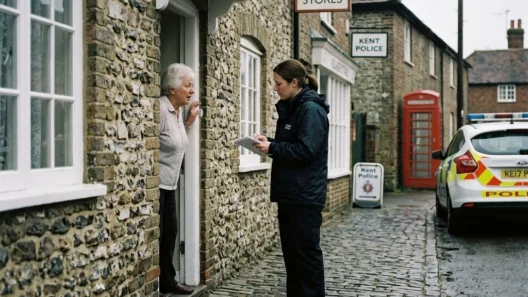
The current reporting system, Action Fraud, serves as a central hub for data collection, but it doesn't actually investigate crimes itself. Instead, it sifts through reports and sends the "most viable" ones to local police forces. The problem? Local forces are often overstretched and lack the specialist digital forensic skills needed to track down scammers who are frequently operating from different jurisdictions or even different continents. When a local copper is balancing a domestic assault case against a complex online investment scam, the physical crime almost always takes priority.
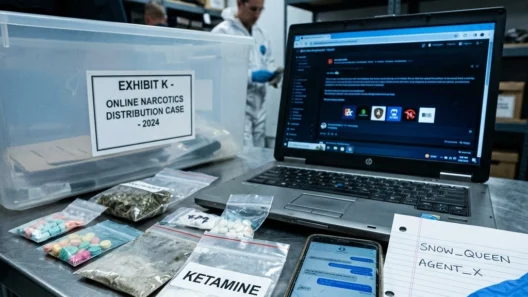
This creates a vacuum where criminals thrive. We’ve seen similar patterns in other areas of modern law enforcement, such as the challenges discussed in our look at prison drones and the new era of contraband deliveries. Technology is moving at a lightning pace, and the infrastructure designed to catch criminals is struggling to keep its boots laced. When only a tiny percentage of cases are even looked at by an investigator, let alone prosecuted, the message sent to fraudsters is clear: the UK is open for business.
How technology has flipped the script
One of the biggest hurdles in tackling this 96% unpunished rate is the borderless nature of digital crime. A decade or two ago, a fraudster might have had to physically knock on your door or send a letter. Today, they can target thousands of people simultaneously from a laptop in a different country. The barrier to entry is incredibly low. With the rise of "fraud-as-a-service," where ready-made scam kits can be bought on the dark web, even low-level criminals can launch professional-looking attacks.
The social media platforms and telecommunications companies that facilitate these interactions also share a portion of the blame. For years, they have operated with relatively little accountability for the scams hosted on their services. While new legislation like the Online Safety Act aims to change this, the damage already done is extensive. Scammers use these platforms to harvest data, build trust, and eventually pivot to the "kill" phase of the scam.
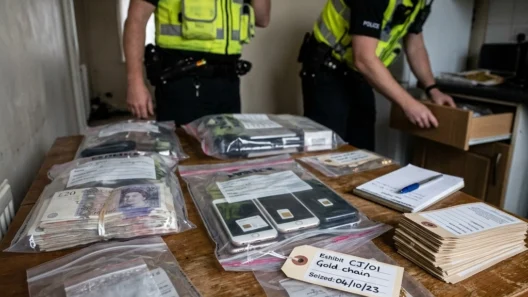
At NowPWR, we often explore the darker side of these technological shifts. Whether it's the way technology is used in county lines and the raids involving gold bars, or the exploitation of digital loopholes, the theme remains the same: the law is playing a permanent game of catch-up. The sheer speed of the digital world means that by the time a fraud report is processed, the money has been laundered through half a dozen cryptocurrency wallets and the "company" behind the scam has vanished into thin air. Without a massive investment in specialist digital policing, that 96% figure is unlikely to budge.
Moving forward in a high-risk world
So, where do we go from here? The government has recently announced various "fraud strategies," including the creation of a National Fraud Squad. While these are steps in the right direction, many experts argue they are too little, too late. The funding for these initiatives is often a drop in the ocean compared to the billions lost by the UK economy every year. To really make a dent in the statistics, there needs to be a fundamental shift in how we value financial security.
Part of the solution lies in education and a more proactive approach from banks. Authorised Push Payment (APP) fraud: where you are tricked into sending money yourself: is one of the fastest-growing categories. Banks are now being forced to reimburse victims in more cases, which is a start, but it doesn't solve the problem of the criminals walking free. We need a system that prioritises prevention and international cooperation. If the crime is global, the policing must be too.
As we continue to dig into these untold stories, it becomes clear that public awareness is our first line of defence. Understanding that the system is currently weighted in favour of the fraudster should make us all more cautious. It shouldn't be the responsibility of the individual to solve a national crime wave, but until the punishment rate moves beyond a measly 4%, being "scam-savvy" is the only real protection we have.
The fraud crisis is a perfect example of why independent news uk is so important. By shining a light on these gaps in the system, we can push for the changes needed to ensure that 96% doesn't become the permanent status quo. The victims of these crimes deserve more than just a reference number and a generic "case closed" email. They deserve a justice system that is fit for the 21st century.
The scale of the challenge is immense, but acknowledging the problem is the first step toward fixing it. As long as fraud remains a high-profit, low-risk activity, it will continue to plague our society. Addressing the enforcement gap requires not just more police, but better-trained ones, along with a tech industry that takes its responsibility for user safety as seriously as its profit margins. Until then, the invisible epidemic of fraud will continue to claim victims, most of whom will never see a single penny returned or a single perpetrator brought to book.
In a world where crime is increasingly digital, our approach to justice cannot afford to stay analogue. The gap between the crime being committed and the law being enforced is currently a canyon, and it is the public who are falling into it. It is time for a rethink on how we protect the financial heartbeat of the country, ensuring that the next generation of potential victims doesn't face the same bleak odds of seeing justice served.