In a quiet corner of Neepsend, Sheffield, a revolution in the construction industry is taking shape.
Earth4Earth has officially opened its first UK factory on Farfield Road, marking a significant milestone in the quest for sustainable building materials. The facility is not producing traditional clay bricks fired in energy-intensive kilns; instead, it is turning ordinary soil into high-performance, carbon-negative building blocks. This venture represents a shift away from centuries-old manufacturing techniques towards a future where the buildings themselves help to mitigate the climate crisis.
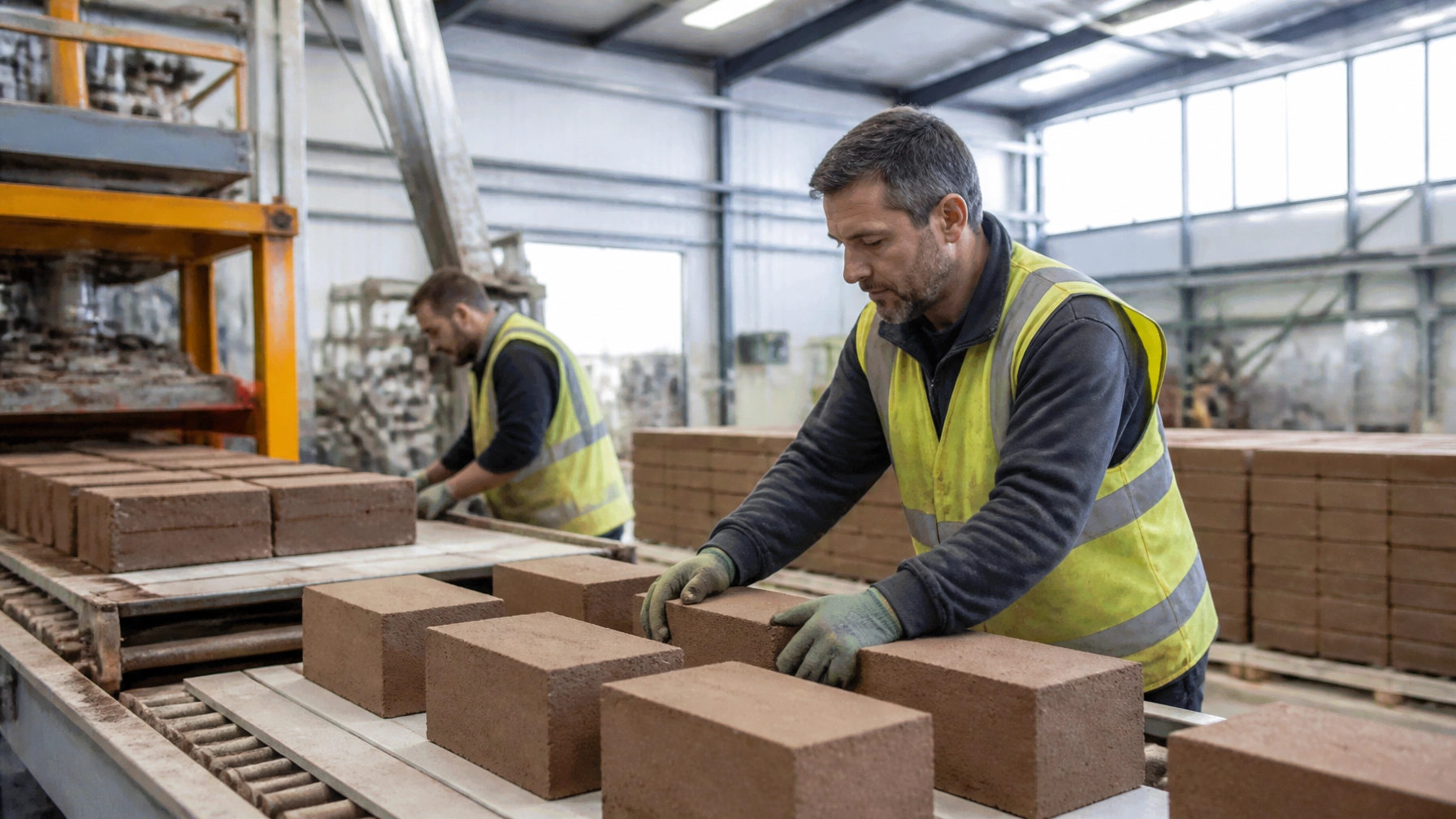
The construction sector has long been one of the most difficult industries to decarbonise. Traditional brick manufacturing relies on massive kilns that must reach temperatures exceeding 1,000 degrees Celsius, a process that releases vast quantities of carbon dioxide into the atmosphere. In contrast, the Sheffield operation utilises a cold-manufacturing process. By using a proprietary lime-based binder, these bricks are compressed at room temperature, bonding the material together without the need for extreme heat. This method drastically reduces the energy required for production and ensures that the factory’s immediate carbon footprint is minimal compared to conventional counterparts.
The choice of Sheffield for this inaugural site is no coincidence. As a city with a deep industrial heritage, it provides the perfect backdrop for a new era of manufacturing innovation. The Neepsend factory currently employs five dedicated staff members, but the company has ambitious plans to expand the local workforce to approximately 20 employees by next year. This growth is backed by a substantial injection of private investment, with £6.5 million raised to support the company’s broader mission and around £2 million specifically allocated to the Sheffield operation.
The Science of Sustainable Construction
At the heart of this innovation is the ability of the bricks to act as a carbon sink. Over their entire life cycle, these earth-based bricks are verified as carbon negative. This is achieved through a natural process of carbonation, where the lime-based binder reacts with atmospheric carbon dioxide. As the bricks cure and remain in situ within a building’s structure, they continue to absorb CO2 from the air, effectively locking it away for the duration of the structure's life. This turns every wall built with these materials into a passive tool for environmental restoration.
The technical performance of these soil-based bricks is designed to match or exceed that of traditional oven-made bricks. Engineers have worked to ensure that the structural integrity, durability, and moisture resistance meet the rigorous standards required for modern UK housing and commercial projects. Because they do not undergo the shrinking and warping often associated with high-heat firing, the bricks offer a high degree of dimensional consistency, which can lead to faster and more efficient construction on-site.
Furthermore, the versatility of the material allows for a variety of finishes and applications. While the primary focus is on standard load-bearing bricks, the technology can be adapted for brick slips and decorative elements, providing architects with a sustainable alternative that does not force a compromise on aesthetic design. By proving that eco-friendly materials can be both functional and attractive, the company is removing one of the primary barriers to the adoption of green technology in the mainstream housing market.
Transforming Waste into Urban Infrastructure
One of the most compelling aspects of the Sheffield factory’s operation is its commitment to the circular economy. The raw material for these bricks is not virgin clay or quarried stone; it is excavated soil sourced from decommissioned or active construction sites. Every year, millions of tonnes of soil are removed during the foundation stages of building projects across the UK. Much of this material is classified as waste and sent directly to landfill, incurring significant transport costs and environmental taxes for developers.
By intercepting this waste stream, Earth4Earth is providing a dual solution. They reduce the demand for newly extracted raw materials while simultaneously preventing usable soil from being discarded in landfill sites. The factory on Farfield Road acts as a processing hub where this soil is tested, refined, and then transformed into new building blocks. This localised approach to sourcing materials also reduces the carbon emissions associated with long-distance haulage, as the "waste" from a local construction site can be processed nearby and returned to the same area as a finished product.
This model of urban mining is essential for the future of sustainable cities. It encourages a system where the materials required to build our future infrastructure are sourced from the very ground we are preparing for development. At the end of a building’s life, these bricks are fully recyclable. They can be crushed and used as aggregate for new bricks or even returned to the earth as a soil amendment, ensuring that no part of the product ever contributes to the growing global waste problem.
Driving Economic Growth through Innovation
The opening of the Neepsend site is a vote of confidence in the UK's green economy. The £2 million investment in the Sheffield facility has allowed for the installation of bespoke machinery capable of high-pressure compression, ensuring that production can scale to meet the rising demand from developers looking to meet new environmental regulations. The government’s tightening of building standards means that housebuilders are under increasing pressure to reduce the "embodied carbon" of their projects, and local solutions like those produced in Sheffield are becoming highly sought after.
The planned expansion of the workforce from five to twenty individuals highlights the potential for green manufacturing to provide high-quality local jobs. These roles span from technical laboratory positions focused on material science and quality control to industrial manufacturing and logistics. By fostering these skills within Sheffield, the company is helping to ensure that the city remains at the forefront of the UK's industrial transition.
As the Sheffield factory ramps up production, it serves as a template for future sites across the country. The modular nature of the technology means that similar facilities can be established near major metropolitan areas, creating a network of soil-to-brick hubs that minimise transport and maximise the reuse of local resources. This supports the broader UK efforts to reach net-zero targets in the construction sector, demonstrating that with the right investment and innovation, the very ground beneath our feet can provide the solution to a more sustainable built environment.