The digital landscape has changed the way everything is bought and sold, but there is a darker side to this convenience that is currently unfolding on the screens of primary school children across Britain. What used to happen in dark alleys or behind bike sheds has moved into the palm of a child's hand. We are seeing a shift in the UK drug culture that is as sophisticated as any modern tech startup, and it is catching families and authorities completely off guard. As part of our commitment to independent news uk, we are looking at the untold stories of how ketamine has become the drug of choice for a generation that hasn't even hit their teens yet.
For most parents, the idea of a ten-year-old having access to Class B drugs is a nightmare scenario. Yet, the reality in 2026 is that the barrier to entry has never been lower. It isn’t just about the availability; it’s about the marketing. This isn’t just a "drug problem" in the traditional sense; it’s a digital marketing crisis. Dealers aren't just selling substances; they are running brands with logos, customer service, and promotional tactics that would look right at home on a legitimate food delivery app.
The Business of the Digital Playground
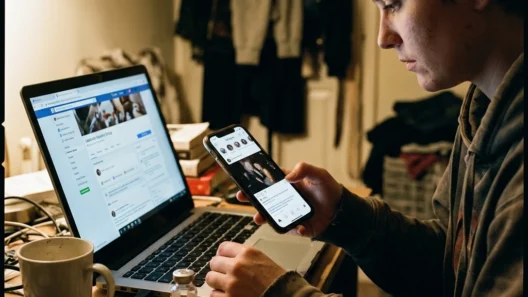
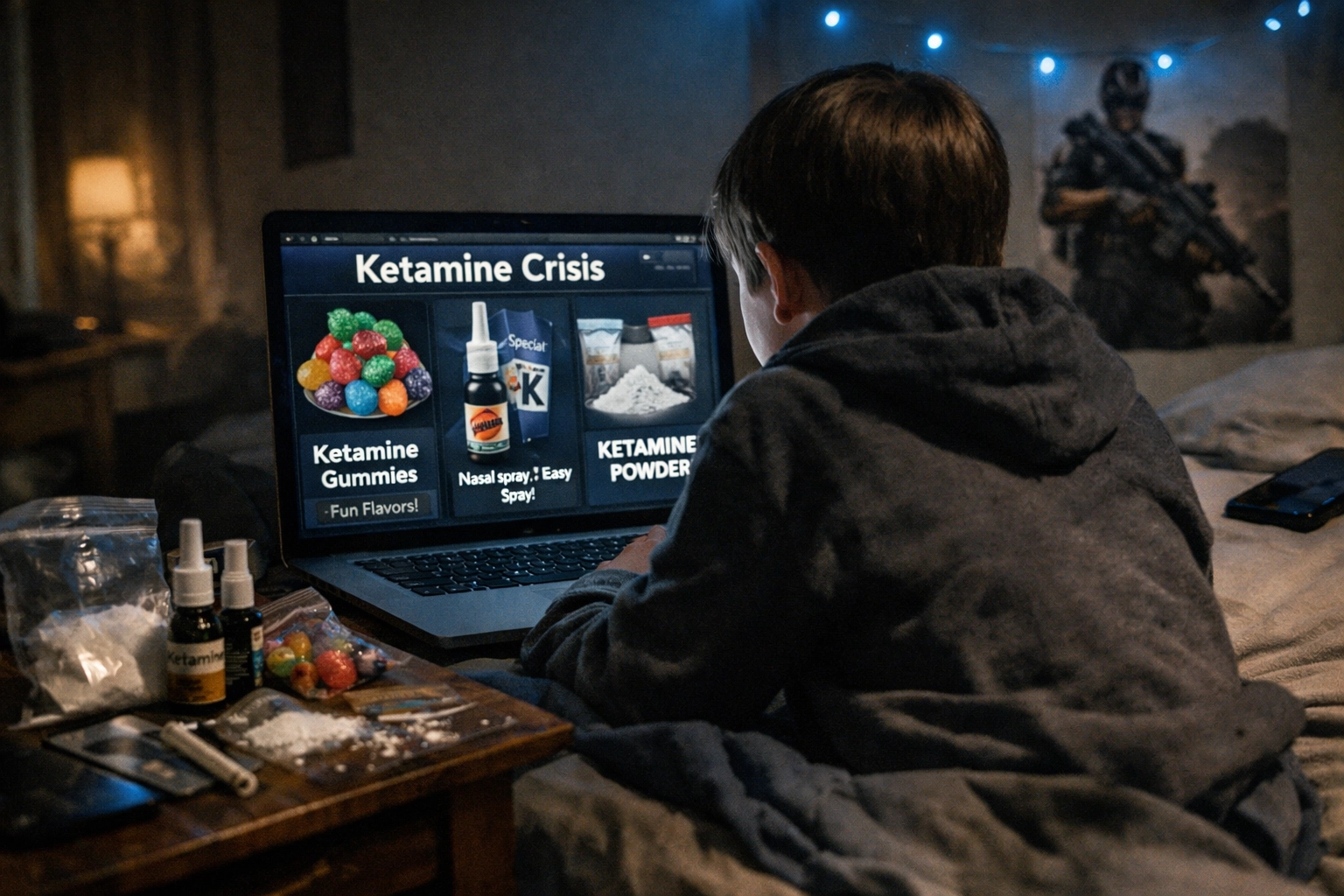
The way ketamine is being sold today looks remarkably like a legitimate business model. If you were to look at the Telegram or Snapchat feeds of some teenagers, you wouldn't see shady characters in hoodies. Instead, you would see professionally designed "menus." These menus are often colourful, using emojis and slick graphic design to list different "strains" or "shards" of ketamine. They offer bulk discounts, "refer-a-friend" perks, and even loyalty cards. It is a terrifyingly efficient system designed to appeal to a demographic that grew up with the instant gratification of the internet.
These online menus are reaching children as young as 10 and 12. Because the drug is relatively cheap, often described as being as affordable as a meal deal or a packet of crisps, it fits within the budget of a child’s pocket money. The ease of access is staggering. A few clicks on an encrypted messaging app, a quick bank transfer or even a cash-on-delivery arrangement via a local "runner," and the drug is delivered often within the hour. This level of service is something that traditional policing methods struggle to intercept.
The use of social media algorithms also plays a role. Once a young person starts looking into certain types of "party" content or follows certain accounts, the algorithms can inadvertently push them toward these dealer profiles. It creates a bubble where drug use feels normalised and even aspirational. For children dealing with anxiety or social pressure, the promise of a "quick fix" that looks as harmless as an Uber Eats order is incredibly enticing. These are the untold stories of the digital age: children who are becoming customers before they’ve even finished primary school.
The Devastating Physical Reality of Use
While the marketing might look clean and professional, the physical reality of ketamine use is anything but. We are currently seeing an eight-fold increase in people seeking treatment for ketamine since 2015, and the age of those seeking help is plummeting. One of the most harrowing aspects of this crisis is the impact on the human body, specifically what has become known in medical circles as "K-bladder."
Ketamine is a dissociative anaesthetic, but when used recreationally and frequently, it causes the bladder wall to thicken and scar. For a 13 or 14-year-old, this can mean permanent, life-changing damage. We are hearing reports from across the UK of children having to use stoma bags or undergoing major reconstructive surgery because their bladders have essentially shrunk to the size of a marble. This isn't just a "hangover" or a temporary side effect; it is a permanent disability inflicted on children before they’ve even sat their GCSEs.
The danger is compounded by the fact that many older students, caught in the student loans and the debt trap, are being recruited as middle-men or "runners." They see it as a way to make quick cash to cover their own rising costs, but in doing so, they become the bridge between the professional dealers and the younger children in their communities. This creates a cycle where the drug moves through social circles with terrifying speed. Because ketamine is often seen as "less dangerous" than heroin or cocaine, the stigma is lower, which only makes the crisis harder to contain. The physical toll is a silent epidemic that is currently overwhelming frontline services in many parts of the country.
Breaking the Cycle of Online Supply
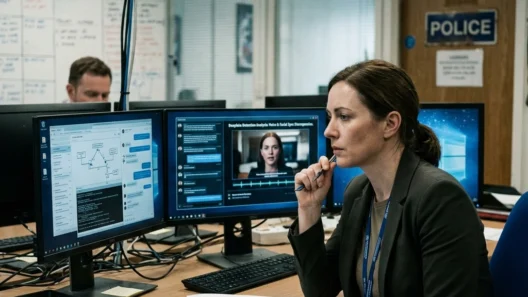
Tackling this issue requires a fundamental shift in how we think about drug enforcement. Traditional "boots on the ground" policing is still vital, but the real battleground is now digital. Law enforcement agencies are increasingly deploying social media investigators to track these networks, but it often feels like a game of cat and mouse. When one Telegram channel is shut down, three more pop up in its place. The encrypted nature of these apps makes it incredibly difficult for authorities to trace the source of the supply.
There is a growing call for action needed at a legislative level. Many argue that social media companies need to take more responsibility for the content being pushed through their platforms. If an algorithm can figure out that you want to buy a specific pair of trainers, it can certainly be tuned to recognise the patterns of drug "menus." However, the balance between privacy and protection is a delicate one, and dealers are experts at using slang and coded language to bypass automated filters.
Community awareness is the other half of the puzzle. Parents need to be aware that drug dealing doesn't always look like someone standing on a street corner. It looks like a child spending a lot of time on Telegram or receiving unexpected "deliveries." Education in schools needs to catch up with the reality of the digital high street. We need to move beyond "just say no" and start explaining the business tactics being used to target them. By exposing the "menu" system for what it is: a predatory marketing tactic: we can help young people see through the slick design and understand the very real, very permanent dangers involved.
The ketamine crisis in the UK is a complex issue that sits at the intersection of technology, health, and social policy. As the online menus continue to evolve, the response must be equally innovative and persistent. This is not just a passing trend; it is a systemic shift in how illegal substances are distributed, and it requires a unified effort from parents, schools, police, and tech companies to protect the next generation from a digital market that sees them as nothing more than another customer.
The rise of ketamine use among the youth remains one of the most significant challenges for public health and safety in the current decade. While government funding has been increased to address treatment and awareness, the speed at which online networks operate continues to outpace traditional intervention strategies. Continued investment in digital forensic capabilities and grassroots community education is essential to mitigate the long-term impact on the health and well-being of young people across the country.