For decades, the world of medicine has been stuck in a game of high-stakes cat and mouse. Every time a virus like the flu or a coronavirus mutates, scientists have to scramble to update our vaccines. It is a reactive system: one where we are always one step behind the next variant, waiting for the latest strain to emerge before we can begin the laborious process of tweaking our defences. But that era of "chasing" viruses might be about to end, thanks to a revolutionary approach that uses artificial intelligence to design what some are calling the "last vaccine" we will ever need.
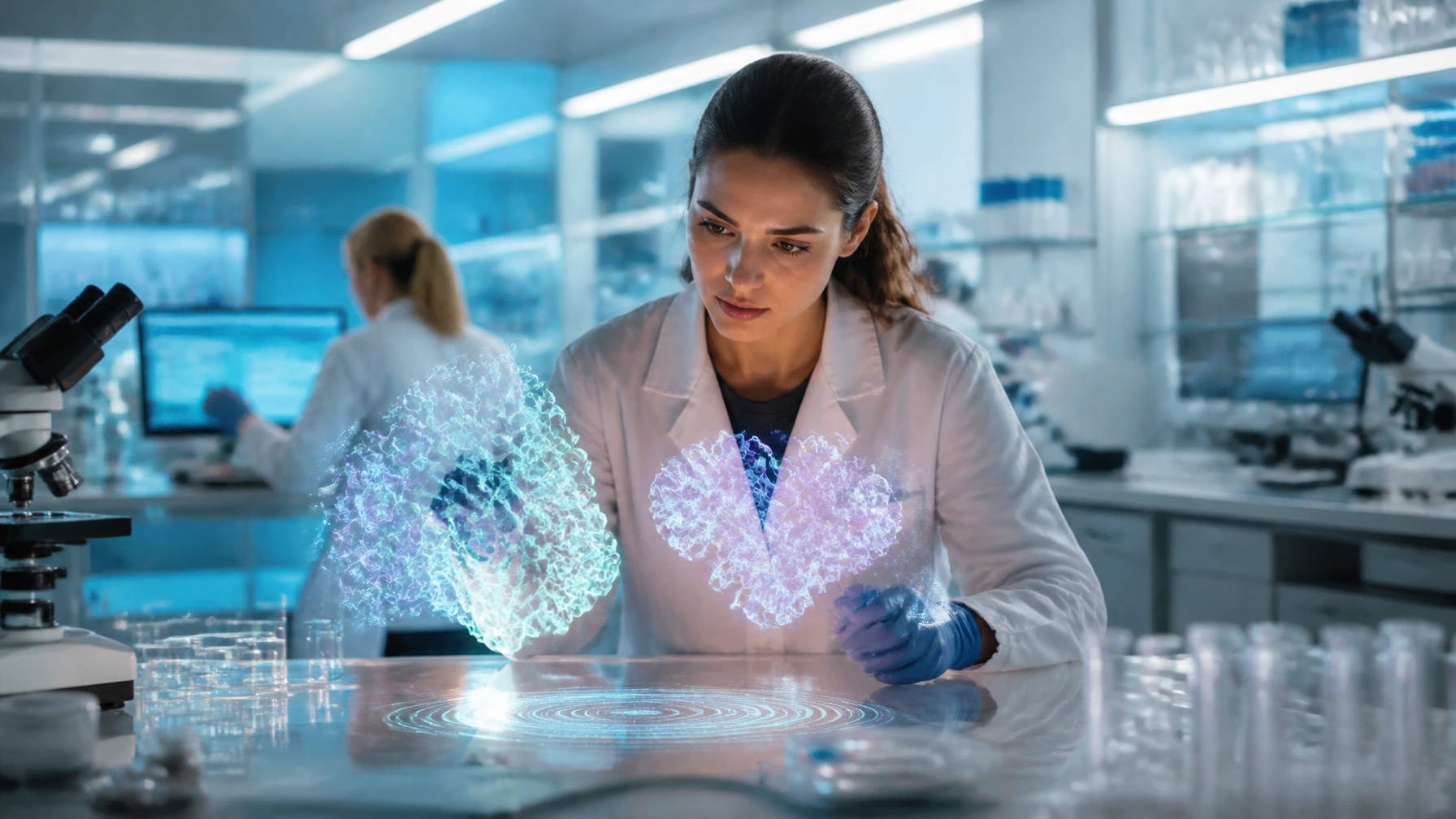
At the University of Cambridge, researchers have teamed up with biotechnology firm DIOSynVax to flip the script on how we fight disease. Instead of looking at the specific surface proteins of a single virus strain, they have used machine learning to look at the entire family history of these pathogens. By processing vast amounts of genetic data from surveillance programmes across the globe, AI has identified the "Achilles' heel" of whole virus groups: the parts that stay the same even as the virus tries to mutate and hide. This has led to the creation of a "super-antigen," a blueprint for a vaccine that could potentially protect us not just from the current version of a virus, but from every version that might come next.
The Breakthrough of the Super-Antigen
The secret to this new technology lies in the shift from human-led design to machine-learning-driven discovery. Traditional vaccines usually target the "spike" or surface proteins of a virus, which are the parts most likely to change as the virus evolves to evade our immune systems. When a new variant pops up, the old vaccine becomes less effective, and we find ourselves back in the lab. The Cambridge team’s AI model works differently; it scans the genomes of thousands of related viruses: including those found in bats and other animals that haven't even made the jump to humans yet: and identifies conserved regions.
These conserved regions are the biological equivalent of a building’s foundation. While the windows and paint (the surface proteins) might change, the foundation must remain solid for the virus to survive and replicate. By training the immune system to recognise these foundational structures, the "super-antigen" creates a broad-spectrum shield. In recent trials, this approach has shown it can spark an immune response not just against the original SARS-CoV-2, but against the original SARS virus from 2003 and various related bat coronaviruses. It is a proactive defence system that anticipates the future rather than just reacting to the past.
This isn't just about COVID-19. The implications for global health are staggering. The same technology is being applied to other major threats, including Ebola and bird flu. In many parts of the world, Ebola outbreaks remain a terrifying and deadly reality, with current vaccines often struggling to cover all the different species of the virus. An AI-designed universal Ebola vaccine would be a game-changer for regional health security in Africa. Similarly, as bird flu continues to circulate in poultry and wild birds globally, having a vaccine ready that can jump ahead of potential human transmission could prevent the next global crisis before it even begins.
From Needles to Micro-Jets
While the science behind the "super-antigen" is complex, the way it is delivered to the body is surprisingly modern and user-friendly. One of the biggest hurdles in global vaccination efforts is "needle phobia" and the logistics of transporting and disposing of millions of syringes. The new Cambridge vaccine moves away from the traditional jab. Instead, it is administered as a DNA vaccine through a microfluidic jet.
This needle-free technology uses a high-pressure, hair-thin stream of liquid to push the vaccine blueprints directly into the skin cells. Not only does this eliminate the pain and anxiety associated with needles, but it also delivers the vaccine to the layers of the skin that are incredibly rich in immune cells, potentially making the dose more effective. A world-first human trial has already been completed with 49 healthy volunteers in Cambridge and Southampton, and the results were highly encouraging. The vaccine was found to be safe, well-tolerated, and capable of triggering the desired immune response.
With the first phase of testing successfully cleared, the team is now moving into a Phase II study involving more than 200 people. This stage will further verify the vaccine's safety and measure just how robust the immune response is across a larger group. Because this is a DNA-based platform, it is also inherently more stable than some of the first-generation mRNA vaccines, which often required ultra-cold storage. This makes the "last vaccine" a much more viable option for reaching remote communities and developing nations where the cold chain infrastructure might be lacking.
A Future Free From Pandemic Fear
The ultimate goal of this research is as much about our way of life as it is about biology. The memory of lockdowns, travel bans, and the sudden halting of the global economy is still fresh in the minds of people everywhere. These measures were necessary because we lacked a way to protect ourselves from a novel threat immediately. By the time we had a vaccine, the world had already changed.
If the AI-designed "super-antigen" fulfils its promise, we could see a future where the word "lockdown" becomes a relic of history. Rather than waiting for a pandemic to start and then shutting down society while we wait for a cure, we would already have the protection in place. A single jab could provide a baseline of immunity against entire families of viruses, meaning that when a new mutation emerges, our bodies will already know how to fight it. It moves us from a state of constant vulnerability to one of permanent readiness.
Professor Jonathan Heeney, who leads the research at the University of Cambridge, has described this shift as a "big paradigm change." He believes that the old way of chasing outbreaks is simply too slow for the modern world. By using AI to understand the relationships between viruses and finding their common weaknesses, we are essentially building a wall that no mutation can climb. It is a message of immense hope: a sign that we are finally using our most advanced tools to solve one of humanity’s oldest problems. As we move closer to the "last vaccine," the prospect of a world where we no longer fear the next invisible threat is finally within our grasp.
{“@type”:”BlogPosting”,”image”:”https://cdn.marblism.com/bUHNhaMiO5o.webp”,”author”:{“name”:”Penny”,”@type”:”Person”},”@context”:”https://schema.org”,”headline”:”How AI is Designing the Last Vaccine We’ll Ever Need”,”publisher”:{“logo”:{“url”:”https://nowpwr.com/logo.png”,”@type”:”ImageObject”},”name”:”NowPWR”,”@type”:”Organization”},”description”:”Researchers at the University of Cambridge are using AI to create a ‘super-antigen’ vaccine that could provide broad immunity against entire virus families and prevent future pandemics.”,”datePublished”:”2026-06-06″,”mainEntityOfPage”:{“@id”:”https://nowpwr.com/blog/ai-designed-vaccine”,”@type”:”WebPage”}}