The Cairngorms National Park is known for its rugged peaks and sweeping glens, but recently, all eyes have been on something far smaller than a mountain. A quiet drama unfolded in the heart of the Highlands after a violent storm tore through the forest, uprooting a mature aspen tree that held a precious secret. This wasn’t just any tree; it was one of the few remaining hosts for the Aspen bristle-moss, a species so rare it was once thought to be extinct in the United Kingdom. When the giant fell, the clock began ticking for the tiny colonies clinging to its bark. Conservationists from Plantlife Scotland didn't waste a moment, launching a precision rescue mission to salvage the moss and give it a new home before the drying wood or forest floor could claim it.
A Species on the Brink of the Unknown
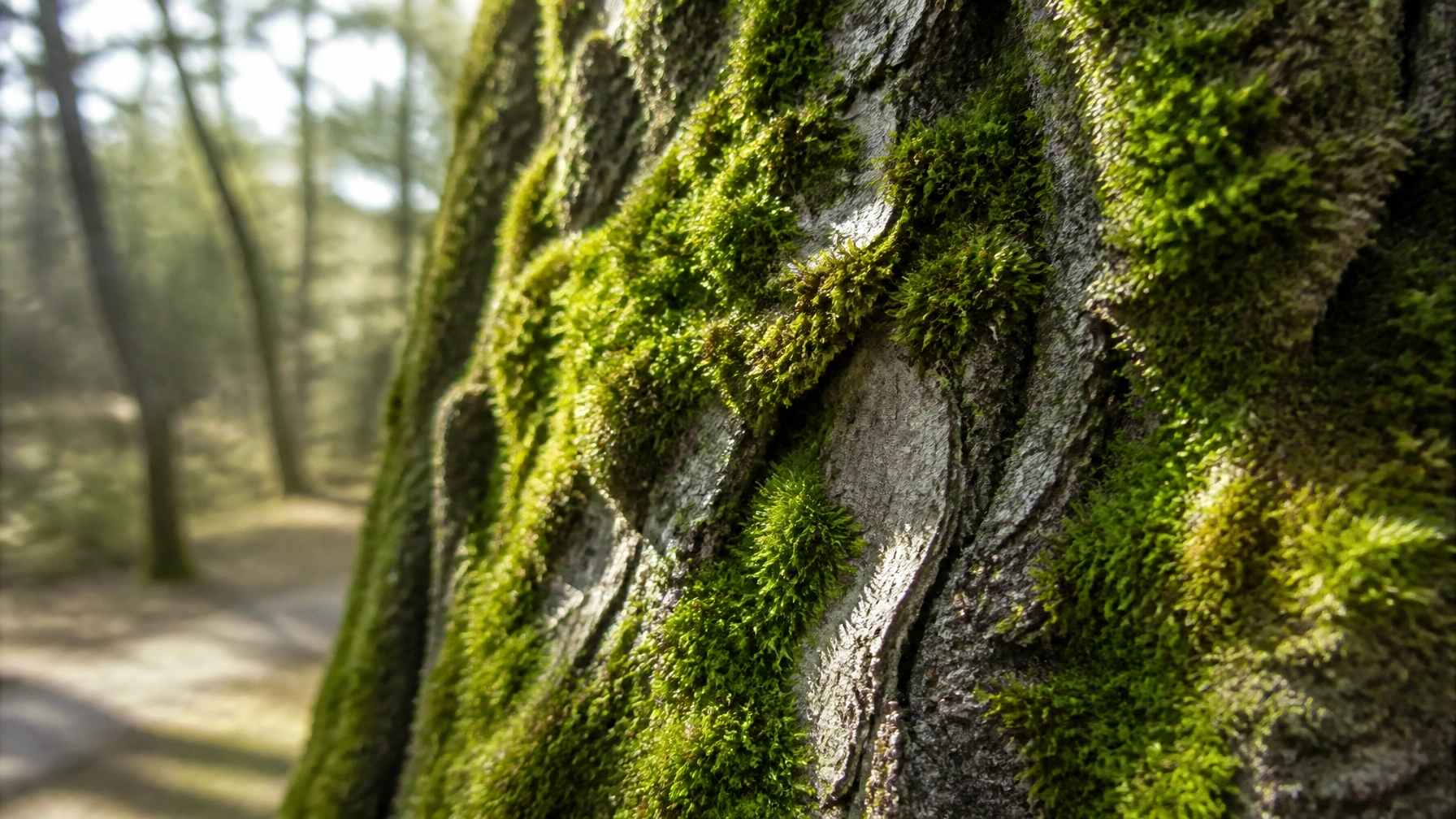
To the untrained eye, the Aspen bristle-moss might look like a simple green smudge on a trunk, but for botanists, it represents a biological miracle. Known scientifically as Nyholmiella gymnostoma, this moss is an absolute specialist. It doesn't grow on rocks or soil; it lives exclusively on the alkaline bark of old aspen trees. Its history in Britain is a story of disappearance and rediscovery. For decades, it was considered gone from our shores until a sharp-eyed enthusiast spotted it again in 2003. Since that rediscovery, it has only been recorded at three sites, all within the unique microclimate of the Cairngorms. With such a restricted range, losing even a single host tree is a catastrophic blow to the entire UK population. The species faces a constant battle against habitat loss and the lack of young aspen trees to colonise, making every existing colony a vital reservoir for its future survival.
The High-Stakes Art of Moss Translocation
Saving a rare moss isn't as simple as digging it up and replanting it. You can't put moss in a pot or move it to a different kind of tree and hope for the best. The rescue team from Plantlife Scotland had to act with the precision of surgeons. Working against the elements, experts carefully extracted fragments of the moss from the fallen aspen. This process involves identifying the healthiest patches and ensuring enough of the original bark substrate remains attached. Once salvaged, these tiny pioneers were carefully transported to nearby healthy aspen trees. Using a technique that feels more like craft than heavy-duty conservation, the moss was fixed onto the bark of its new hosts. This translocation mimics the natural spread of the species, giving the colonies a chance to establish themselves on living wood where they can continue to soak up the Highland moisture and thrive.
A Brighter Future for the Highlands' Tiny Residents
While the storm presented a crisis, the successful relocation has turned a potential tragedy into a moment of hope. This rescue mission isn't just about one species; it highlights the incredible importance of the Scottish aspen woodlands, a habitat that supports a wealth of rare lichens, insects, and fungi found nowhere else. The work of Plantlife Scotland and their dedicated volunteers has already seen the known population of Aspen bristle-moss double in recent years through similar targeted efforts. In one remarkable afternoon at another site, the number of colonies was actually tripled through careful translocation. These wins prove that with the right expertise and a quick response, we can pull species back from the very edge. As the rescued moss begins to take hold on its new trees, it serves as a tiny but powerful symbol of resilience in the face of a changing climate and the unpredictable power of nature.