Football fans across the globe are breathing a collective sigh of relief as world football’s governing body has officially announced a significant shift in its stadium regulations for the upcoming 2026 World Cup.
In a move that has been widely celebrated by spectator advocacy groups and public health officials alike, the previous total ban on personal water containers has been partially lifted. This decision ensures that those attending matches in the United States and Canada will be permitted to bring their own hydration into the venues, marking a critical victory for fan comfort and safety in what is expected to be one of the hottest tournaments on record.
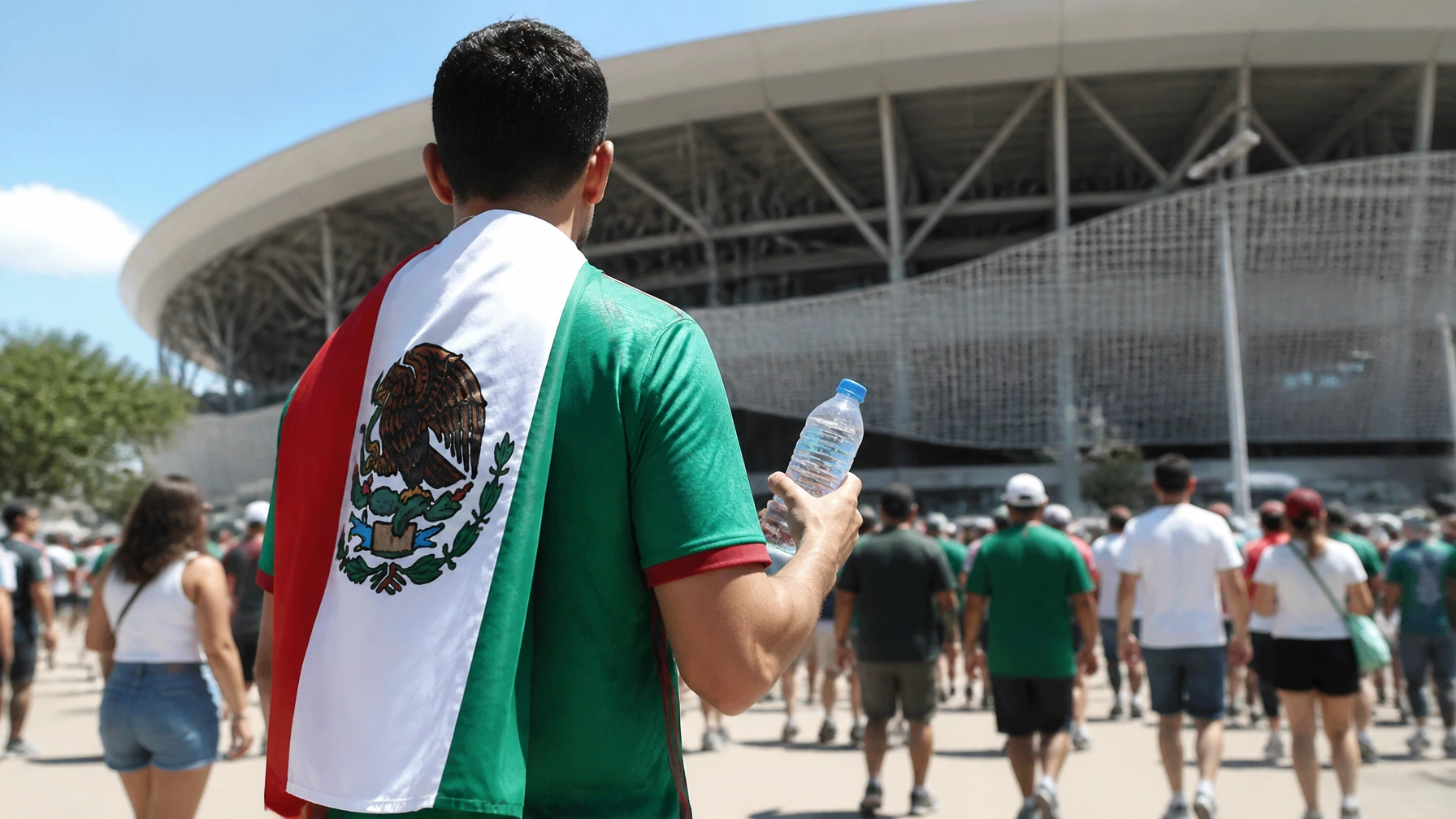
The policy change comes after several weeks of intense debate and public pressure directed at the tournament organisers. Originally, guidelines for the 2026 showpiece had suggested a relatively open approach to hydration, but a subsequent tightening of rules saw a blanket ban placed on all outside containers. The reversal announced this week finds a middle ground, allowing spectators to carry a single, soft, factory-sealed disposable plastic water bottle of up to 590ml into any match. While the restriction on hard-sided or reusable bottles remains in place due to security concerns, the allowance of sealed bottles is seen as a major step forward in addressing the immediate needs of the millions of supporters set to travel for the event.
A Shift in Stadium Policy
The trajectory of this policy has been one of considerable flux, reflecting the complex balancing act between modern security requirements and the practical needs of large-scale public gatherings. In the initial planning phases for the 2026 tournament, which is being hosted across three nations, there was an optimistic view that fans might even be allowed to bring reusable, transparent containers to align with modern sustainability goals. However, as security assessments were updated, the governing body moved towards a much stricter stance, citing the potential for hard containers to be used as projectiles or to conceal prohibited substances.
This strict stance immediately drew criticism from various quarters. Host cities, particularly those in North America where summer temperatures frequently soar into the high thirties, raised alarms regarding the potential for mass dehydration and heat-related illness. Public health experts argued that forcing tens of thousands of people to rely solely on internal stadium concessions for water: often at a significant premium and subject to long queues: was a recipe for disaster. The feedback was not merely a whisper but a roar, as local governments in Canada and the United States joined fan associations in demanding a more humane approach to spectator welfare.
The newly confirmed policy is being viewed as a pragmatic compromise. By allowing factory-sealed, soft plastic bottles, organisers have managed to satisfy the security mandate that containers remain non-threatening and easily inspected, while simultaneously providing fans with an immediate source of hydration upon entry. This ensures that the first moments of a fan’s experience at the stadium are not defined by a desperate search for a water fountain, but rather by the excitement of the world’s greatest sporting event. It is a testament to the power of public discourse that such a high-profile organisation has shown the flexibility to listen and adapt its protocols for the benefit of the grassroots supporter.
Environmental and Health Considerations
Beyond the immediate logistical benefits, the decision to allow personal water bottles touches on deeper concerns regarding the health and safety of the global footballing community. The 2026 World Cup is set to take place in a variety of climates, from the humid coastal regions to the dry, high-altitude venues of the interior. In such conditions, the physiological demand on fans: many of whom will be spending several hours in direct sunlight: is immense. Medical professionals have highlighted that the window for heat exhaustion to set in is remarkably narrow when individuals are not consistently sipping water.
The decision to permit one 20oz bottle per person provides a vital buffer. While it may not represent the total amount of water a person needs during a three-hour stadium visit, it allows for a continuous supply of hydration that starts from the moment the fan leaves their accommodation. This is particularly important for vulnerable groups, including children and the elderly, who are more susceptible to the rapid onset of heat-related symptoms. The reversal is an acknowledgement that the health of the fans is paramount, standing on equal footing with the security of the players.
There remains, of course, a conversation to be had about the environmental impact of disposable plastics. Many advocates had hoped for a system that would support the use of reusable flasks, which would have set a landmark precedent for sustainability in global sport. While the current compromise relies on single-use plastics, it has sparked a secondary commitment from organisers to enhance the availability and visibility of water refill stations within the stadium perimeters. This ensures that once the initial bottle is consumed, fans can continue to hydrate without necessarily contributing to a cycle of waste. The hope is that this tournament will serve as a pilot for even more advanced, eco-friendly hydration solutions in the future, proving that large-scale events can be both safe and sustainable.
Impact on Global Sporting Events
The ripple effects of this policy reversal are likely to be felt far beyond the football pitches of North America. As the world’s most-watched sporting event, the World Cup often sets the gold standard for how other major competitions are managed. By demonstrating a willingness to adjust rigid security protocols in favour of fan welfare, the governing body has sent a clear message to other international federations. The precedent established here suggests that safety and hospitality are not mutually exclusive, but rather two sides of the same coin in modern event management.
In host cities across Canada, Mexico, and the United States, local organising committees are already incorporating this updated guidance into their operational plans. Training for security staff and volunteers is being adjusted to ensure that the entry process remains efficient while accommodating the new rule. This proactive approach is expected to reduce friction at the gates, as fans will no longer be forced into uncomfortable confrontations over a simple bottle of water. Instead, the focus can return to the celebration of the sport and the unique cultural exchange that the World Cup facilitates.
The positive reception to this news has created a surge of optimism as the countdown to the opening match continues. It reinforces the idea that the fans are the lifeblood of the game and that their voices matter in the highest echelons of sports administration. As preparations reach their final stages, the focus shifts back to the pitch, but the memory of this victory for the common supporter will remain. It is a reminder that even the largest institutions are capable of change when presented with a compelling case for the well-being of their audience. For the millions of fans preparing their journeys, the path to 2026 just became a little cooler and a lot more welcoming.