For nearly two decades, the prospect of a normal life seemed like a distant, unreachable dream for those living with Activated PI3K-delta syndrome (APDS). This ultra-rare genetic condition, which was only identified by scientists just over ten years ago, has long cast a shadow over families, leaving patients with a dangerously compromised immune system and a life defined by hospital visits, chronic infections, and the constant threat of organ damage. However, a significant milestone in British healthcare has changed that narrative. The first patient in the country, a teenager who has spent her life battling the debilitating effects of this condition, has received a pioneering new treatment on the NHS, marking a monumental shift in how rare genetic diseases are managed.
The treatment in question, a drug called leniolisib, represents the first ever targeted therapy for APDS. Unlike general immune-boosting treatments or heavy-duty antibiotics that merely manage symptoms, this new medication strikes at the very heart of the genetic malfunction. For the young patient, who had previously watched family members succumb to the same illness, the arrival of this drug is not just a medical advancement; it is a lifeline. It offers the chance to move beyond the cycle of illness and to envision a future that was once considered impossible.
Understanding the Rare Genetic Struggle
To appreciate the significance of this breakthrough, one must understand the relentless nature of APDS. This condition is caused by specific mutations in the genes that regulate the immune system. Specifically, it leads to an overactive enzyme known as PI3K-delta. While you might assume an overactive immune system would be a good thing, in the case of APDS, it is catastrophic. The immune system becomes "exhausted," failing to produce the necessary cells to fight off everyday infections while simultaneously attacking the body's own tissues.
For many patients, the journey to a diagnosis is long and fraught with uncertainty. Because the condition is so rare: affecting only a few dozen people across the United Kingdom: many spend years being treated for recurrent pneumonia, ear infections, and swollen lymph nodes without knowing the underlying cause. The physical toll is immense, but the psychological burden is often heavier. Families frequently carry the weight of a hereditary condition, seeing multiple generations struggle with the same unexplained health issues. In this recent landmark case, the teenager had already experienced the devastating loss of her mother and other close relatives to the disease, making the success of this new treatment all the more poignant.
The standard of care prior to this breakthrough involved a mix of immunoglobulin replacement therapy and long-term antibiotics. While these treatments could provide a measure of protection, they were far from a cure and did nothing to correct the fundamental genetic error. Patients remained at a high risk of developing lymphoma and other serious complications. The introduction of leniolisib changes the stakes entirely by focusing on the specific enzyme responsible for the chaos, effectively "turning down the volume" on the overactive immune pathway and allowing the body to function normally.
A Milestone in Precision Medicine
The rollout of leniolisib on the NHS is a classic example of precision medicine in action. Rather than a one-size-fits-all approach, this treatment is tailored to the specific molecular signature of the disease. By selectively inhibiting the PI3K-delta enzyme, the drug helps to restore the balance of B-cells and T-cells in the immune system. In clinical trials, this has led to a dramatic reduction in the size of swollen lymph nodes and spleens: common and painful symptoms of APDS: and a significant decrease in the frequency of life-threatening infections.
Securing access to such a specialised drug is often a hurdle for patients with rare diseases. The cost of developing and manufacturing treatments for a small number of people can be astronomical, leading to difficult conversations about funding and availability. However, a landmark agreement between the NHS and the pharmaceutical manufacturer has ensured that this treatment is now available to those who need it most. This deal reflects a growing commitment to the "Innovative Medicines Fund," which is designed to fast-track promising treatments for rare conditions, ensuring that British patients are among the first in the world to benefit from cutting-edge science.
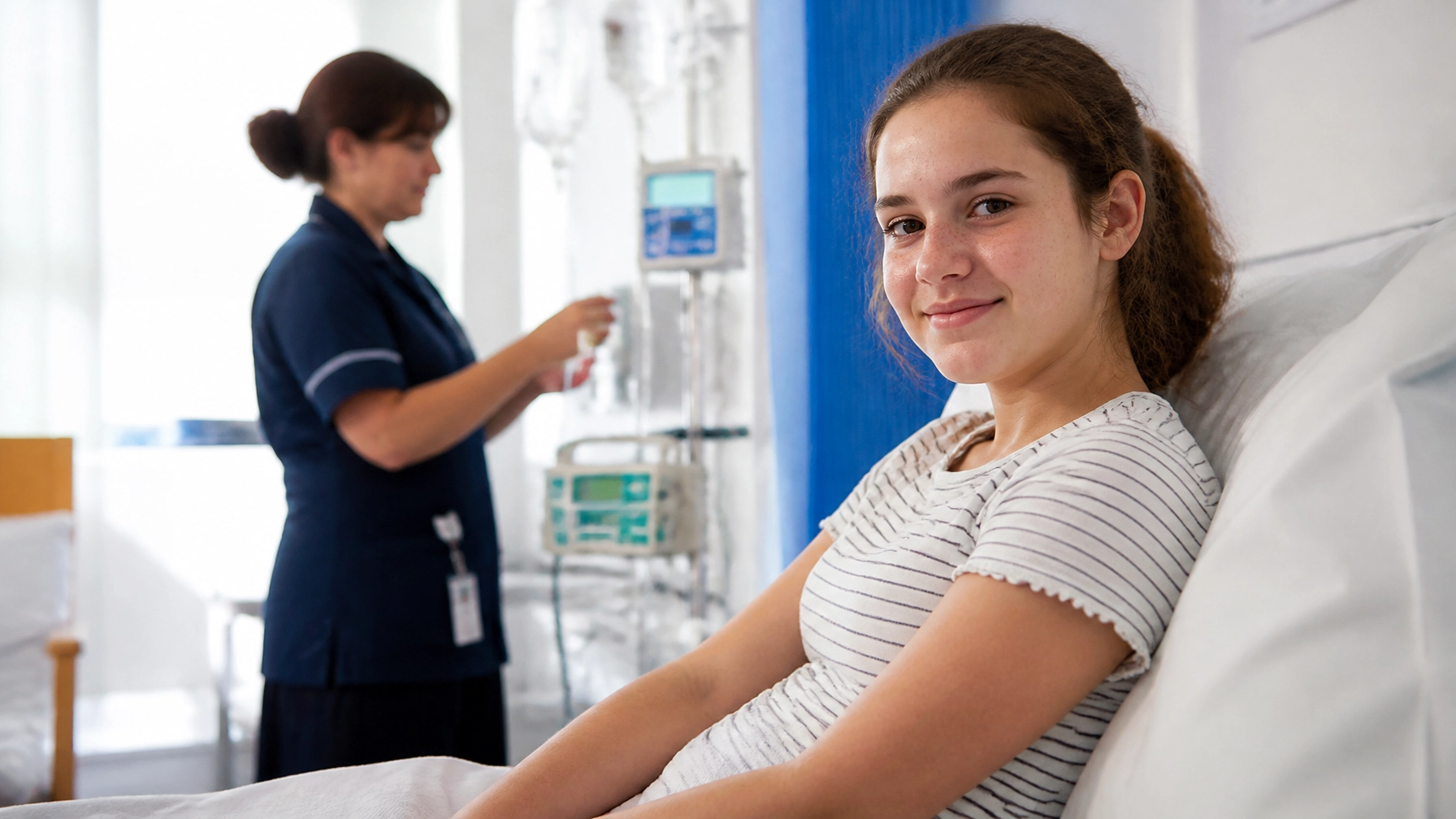
The teenager at the centre of this story, who received her first dose at a specialist centre in Cambridge, is already seeing the benefits. Taken as a simple tablet twice a day, the drug is remarkably less invasive than the intensive therapies patients had grown accustomed to. For a young person looking to start university or enter the workforce, the ability to manage a complex genetic condition with a daily pill is nothing short of transformative. It allows for a level of independence and spontaneity that was previously stifled by the need for frequent hospitalisations and intravenous treatments.
The Future of Genomic Healthcare
This breakthrough is a testament to the power of genomic research and the speed at which modern medicine can move when targeted correctly. It was only in 2013 that researchers at the University of Cambridge first identified the genetic cause of APDS. To move from the initial discovery of a disease to a licensed, funded, and administered treatment in just over a decade is an extraordinary feat of scientific coordination. It provides a blueprint for how other ultra-rare conditions might be tackled in the future, offering hope to the thousands of families in the UK currently living without a definitive treatment for their genetic disorders.
The success of this rollout also highlights the importance of specialist centres like Addenbrooke’s Hospital, where the first patient was treated. These centres act as hubs of expertise, bringing together clinicians, geneticists, and researchers to provide comprehensive care for those with the most complex needs. As we move further into the era of personalised medicine, the role of these institutions will only become more critical. They are the front lines of a revolution in healthcare where a patient’s unique genetic code determines their treatment plan, leading to better outcomes and fewer side effects.
As this young patient looks forward to a life defined by her potential rather than her illness, the broader implications for the healthcare system are clear. The integration of genomic testing into routine NHS care is already helping to diagnose more rare conditions earlier than ever before. With the addition of targeted therapies like leniolisib to the arsenal of available treatments, the goal of turning once-fatal genetic conditions into manageable chronic illnesses is becoming a reality. It is a new lease on life, not just for one teenager, but for the future of medicine itself. The journey of these forty to fifty patients in England who may eventually benefit from this drug serves as a powerful reminder that in the world of rare diseases, no one is forgotten, and no story is too small to cover.