As the sun sets over the English Channel this week, the headlines have taken a noticeably gentler turn, offering a welcome reprieve from the relentless pace of global politics. Across the United Kingdom and further afield, stories of reconciliation, common sense, and extraordinary individual effort have reminded us of the resilience of the human spirit. From the hallowed sands of Northern France to the bustling preparation for international sporting events, the narrative of the last seven days has been defined by a sense of coming together.
While the news cycle often prioritises conflict and crisis, these smaller, more personal victories highlight the enduring strength of community and memory. Whether it is the return of a hero to the site of their greatest challenge or the simple correction of a corporate oversight that threatened the comfort of thousands, the lighter side of the news has provided much-needed warmth. This week, we look at the encounters that have touched hearts and the decisions that have restored a bit of faith in the way our world is managed.
A Journey Back to the Sands of Normandy
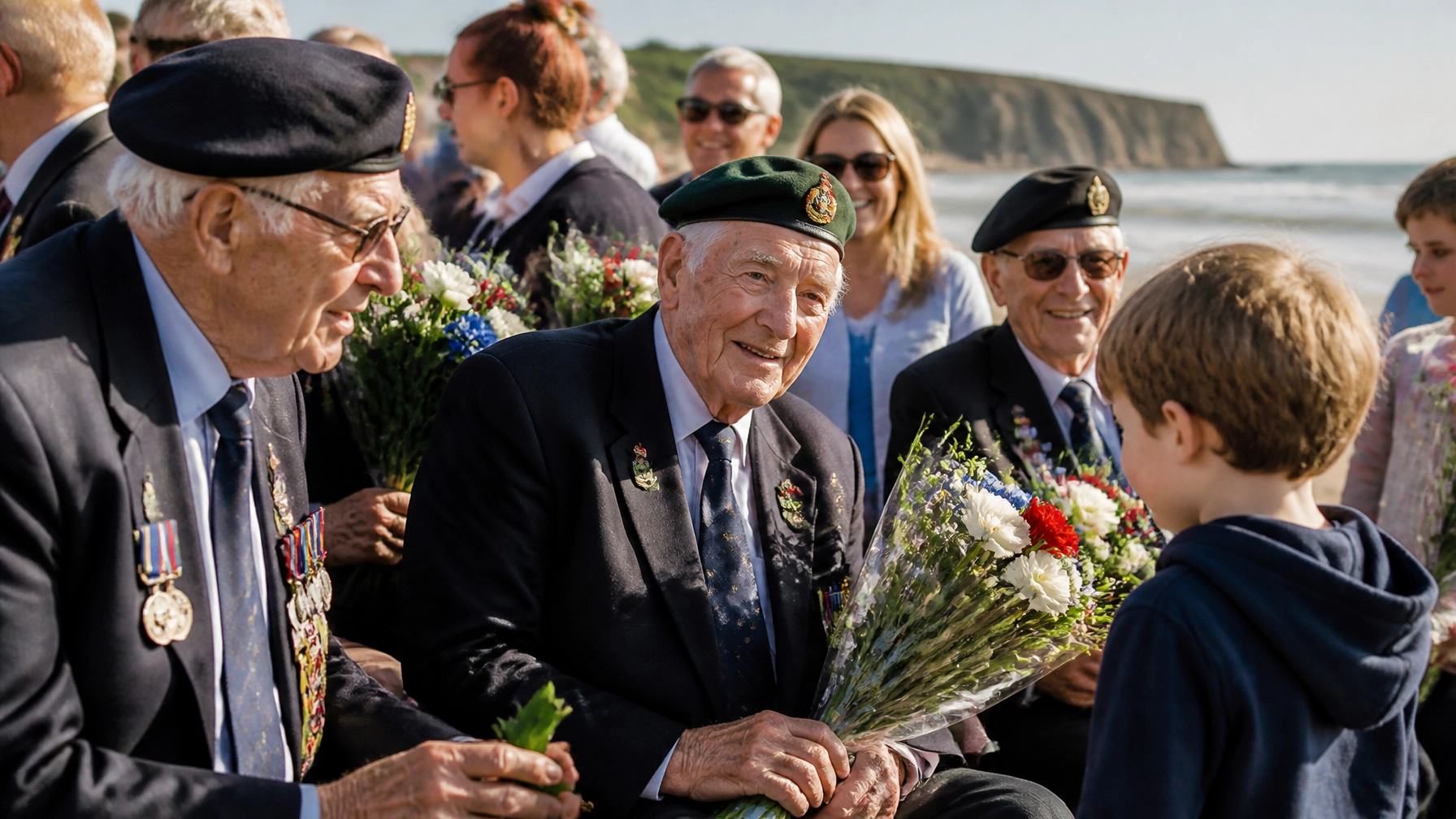
The most poignant of these encounters took place on the beaches of Normandy, where a group of twenty-five British and Allied veterans returned to the site of the 1944 D-Day landings. Marking the 82nd anniversary of the operation that changed the course of history, these men, most of whom are now in their late nineties or centenarians, embarked on a journey that was as much a reunion with their own past as it was a tribute to those they left behind.
The return, organised in collaboration with international foundations and military charities, saw the veterans greeted not with the chaos of war, but with the rapturous applause of local French residents. In small villages like Sainte-Mère-Église and Arromanches, children lined the streets to hand flowers to the men who, decades ago, fought for their freedom. For many of the veterans, the trip was a deeply emotional reunion with the land they helped liberate. One veteran, a former Royal Navy signalman, spoke of the overwhelming sense of peace he felt looking out over the water, a stark contrast to the smoke and thunder he remembered from June 1944.
The reception from the local French community remains as fervent today as it was eighty-two years ago. Families who have lived in these coastal towns for generations opened their homes and hearts to the visitors, treating them with a level of reverence usually reserved for heads of state. This annual pilgrimage has become a vital thread in the relationship between the UK and France, a living bridge that ensures the sacrifices of the past are never forgotten by the youth of the present. The sight of a great-grandfather being embraced by a French teenager, both joined by a shared history they only half-understand, remains one of the most heartwarming images of the week.
Common Sense Prevails in the Stadium
Away from the historic coastlines, a different kind of victory was celebrated by football fans across the globe. After weeks of mounting pressure and a significant public backlash, the governing bodies of international football have finally performed a U-turn on a controversial policy regarding hydration at the upcoming World Cup. The initial decision to ban fans from bringing sealed, disposable plastic water bottles into stadiums: citing environmental concerns and sponsorship obligations: had been met with widespread derision, particularly given the high temperatures expected at the tournament venues.
The reversal, announced this weekend, has been hailed as a triumph of common sense. Fans had pointed out the impracticality of the proposed alternative: relying entirely on expensive in-stadium vendors or poorly distributed water fountains. The outcry was not just about convenience but about safety. In the peak of summer, the risk of dehydration for thousands of supporters, many of whom have travelled across continents, was a serious concern that appeared to have been overlooked in favour of corporate logistics.
By listening to the fans and reinstating the right to carry basic hydration, the organisers have avoided a potential public relations disaster. This move has been seen as a rare example of a major sporting institution prioritising the wellbeing and feedback of its audience over rigid policy. The sense of relief among supporter groups is palpable, proving that even in the high-stakes world of international sport, the collective voice of the public still carries significant weight. It is a reminder that while environmental goals are essential, they must be implemented with a pragmatic understanding of human needs.
The Young Faces of British Philanthropy
Back on home soil, the story of a ten-year-old from the Midlands has captured the national imagination, providing a sterling example of the impact one person can have on their community. What began as a modest school project has evolved into a massive fundraising effort that recently surpassed a significant milestone for a local hospice. The youngster, inspired by the care his own grandfather received, set out to raise enough money to purchase new equipment for the facility, never imagining the scale of support he would receive.
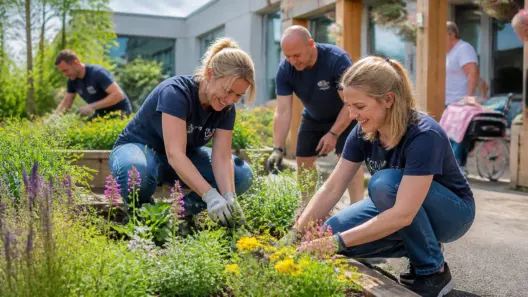
Through a series of sponsored walks, bake sales, and a tireless social media campaign, the boy has managed to galvanise his entire town. His story went viral this week after he reached his target, which was ten times the amount he originally set out to raise. The hospice has confirmed that the funds will not only buy the equipment but also contribute to a new garden area for patients and their families. This project has become a symbol of local pride, showing that even in challenging economic times, the British public's appetite for generosity remains undiminished.
The success of this young fundraiser highlights a broader trend of "micro-philanthropy" that is taking root across the country. In an age where global issues can often feel overwhelming, people are increasingly looking to support small, tangible projects that directly benefit their neighbours. The boy’s dedication has not only provided financial support but has also fostered a renewed sense of community spirit in his area. It is a heartwarming conclusion to a week of news that, despite the usual challenges, has shown us the very best of what happens when people choose to look after one another. These stories of reunions, reconsiderations, and remarkable resolve remind us that the world is often a much kinder place than the front pages would suggest.