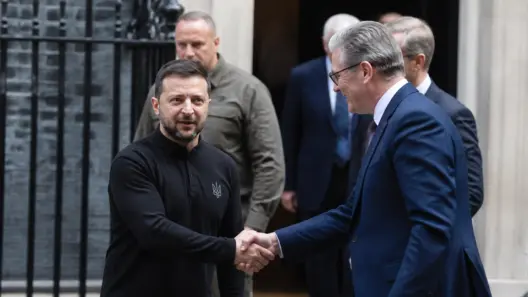









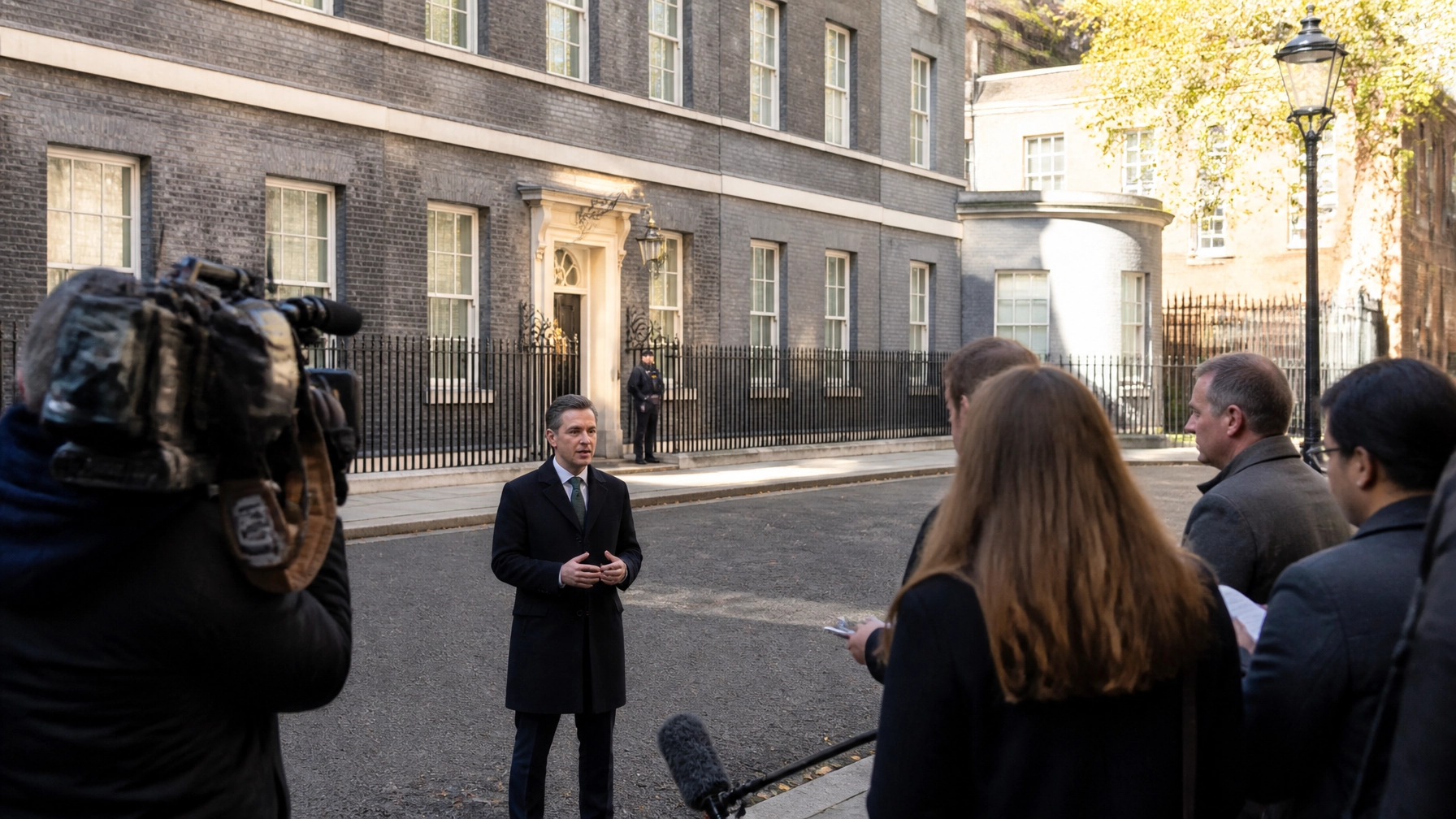
Deputy Prime Minister David Lammy has signalled what many are calling the most significant shift in years regarding the detention of Craig and Lindsay Foreman.
Speaking from the steps of the Foreign Office, Lammy provided a rare update that has sparked a wave of cautious optimism across the country. For the families of the British couple, who have been held in Tehran’s notorious Evin prison for over three years, this announcement represents the first tangible sign that their long nightmare might be nearing its end. The Deputy Prime Minister described the latest round of high-level discussions as constructive, noting that both sides have shown a renewed willingness to find a diplomatic resolution to a case that has long strained relations between London and Tehran.
The Foreman case has been a point of contention and a source of deep national concern since their arrest in 2023. Accused of espionage: a charge the couple and the British government have consistently and vigorously denied: their detention has become a symbol of the difficult and often opaque nature of international diplomacy in the Middle East. Lammy’s statement suggests that after months of stalemate, a "glimmer of hope" has emerged from behind closed doors. While he was careful not to provide a specific timeline for their release, the shift in tone from the government is unmistakable. This is no longer just a plea for clemency; it is a report of progress.
Significant Breakthrough in Diplomatic Negotiations
The breakthrough follows a series of quiet, unpublicised meetings held in neutral territory over the last six months. It is understood that these negotiations involved not only senior diplomats but also technical experts who have been working to untangle the legal and political knots that have kept the Foremans behind bars. David Lammy emphasised that the discussions have moved beyond the initial stages of posturing and are now focused on the practicalities of a potential return. This shift is being attributed to a combination of persistent British diplomacy and a changing geopolitical landscape that has seen Iran more willing to engage with Western powers on specific consular issues.
Central to these talks has been the role of the Deputy Prime Minister himself, who has made the Foremans' release a personal priority since taking office. By elevating the case to his level, the government has sent a clear message to Tehran about the importance the UK places on the safety of its citizens abroad. The negotiations have had to balance the need for a swift resolution with the complexities of international law and the sensitivities of Middle Eastern politics. Reports suggest that the talks have touched upon a range of bilateral issues, though Lammy was quick to stress that the Foreman case is being treated as a humanitarian priority, separate from broader political disagreements.
The atmosphere of the talks has been described as professional and results-oriented, a departure from the often heated exchanges of the past. Sources close to the Foreign Office suggest that the Iranian delegation has shown a level of engagement not seen in previous years. This progress is particularly noteworthy given the history of similar cases, which have often been marred by sudden setbacks and broken promises. However, the current momentum appears more robust, supported by a framework of mutual understanding that both sides have worked hard to establish. The focus now is on ensuring that the progress made in the meeting rooms translates into real-world action on the ground in Tehran.
The Long Road Home for the Foreman Family
For Craig and Lindsay Foreman, the journey to this point has been one of unimaginable hardship. The couple, who were in Iran on what they described as a cultural tour, were detained during a period of heightened local tension. Since then, their lives have been measured in days of isolation and brief, infrequent phone calls to their family in the UK. Reports regarding their health have been a constant source of anxiety. Earlier this year, concerns reached a peak when it was revealed that Lindsay Foreman had been placed on a medical drip due to the physical toll of her incarceration. The news of diplomatic progress will be a relief to their children and extended family, who have campaigned tirelessly for their release.
The Foreman family’s campaign has been a masterclass in persistence and dignity. From local community rallies to meetings with top-level officials, they have kept the couple’s faces in the public eye, ensuring that their plight remained a national talking point. This public pressure has undoubtedly played a role in keeping the case at the top of the government's agenda. The family has often spoken of the "empty chairs" at Christmas and birthdays, a poignant reminder of the human cost of international disputes. Now, for the first time in over a thousand days, there is a realistic prospect that those chairs might soon be filled.
However, the road home is not without its hurdles. The physical and psychological impact of prolonged detention in a foreign prison is profound. Health experts and former detainees have noted that the transition back to civilian life in the UK will require significant support. The government has reportedly already begun preparations for their return, including medical assessments and support systems for the family. The priority remains getting them onto a flight back to London, but the underlying work of ensuring they can rebuild their lives after such a traumatic experience is also underway. The resilience shown by the Foremans has been remarkable, but the wait continues to be a test of their endurance.
Navigating the Complexities of International Relations
The Foreman case does not exist in a vacuum; it is part of a much larger and more complex tapestry of international relations. The UK’s relationship with Iran has been characterized by decades of tension, punctuated by moments of cooperation. Negotiating the release of British nationals in such an environment requires a delicate touch and a deep understanding of the internal dynamics of the Iranian government. David Lammy and his team have had to navigate various factions within Tehran, some of whom are more open to Western engagement than others. The success of these talks so far is a testament to the skill of the British diplomatic corps and their ability to find common ground in difficult circumstances.
One of the primary challenges in these negotiations is the issue of dual nationality and how different legal systems interpret the rights of detainees. Iran does not recognise dual citizenship, which often complicates consular access and legal representation. The British government has consistently argued that its citizens must be afforded their full rights under international law, regardless of where they are held. This principled stand has been a cornerstone of the negotiations, and the recent progress suggests that a middle path may have been found that respects both legal frameworks while achieving a humanitarian goal.
As the talks continue, the broader international community is watching closely. The resolution of the Foreman case could serve as a template for other similar situations around the world. It highlights the importance of keeping channels of communication open, even when political relations are at an all-time low. While the immediate focus is on Craig and Lindsay, the implications of their potential release reach much further. It could signal a new phase of diplomatic engagement, where humanitarian issues are prioritised as a way to build trust between nations. For now, however, the focus remains on the Foremans. The glimmer of hope offered by David Lammy is a vital lifeline for a couple who have waited far too long to come home.