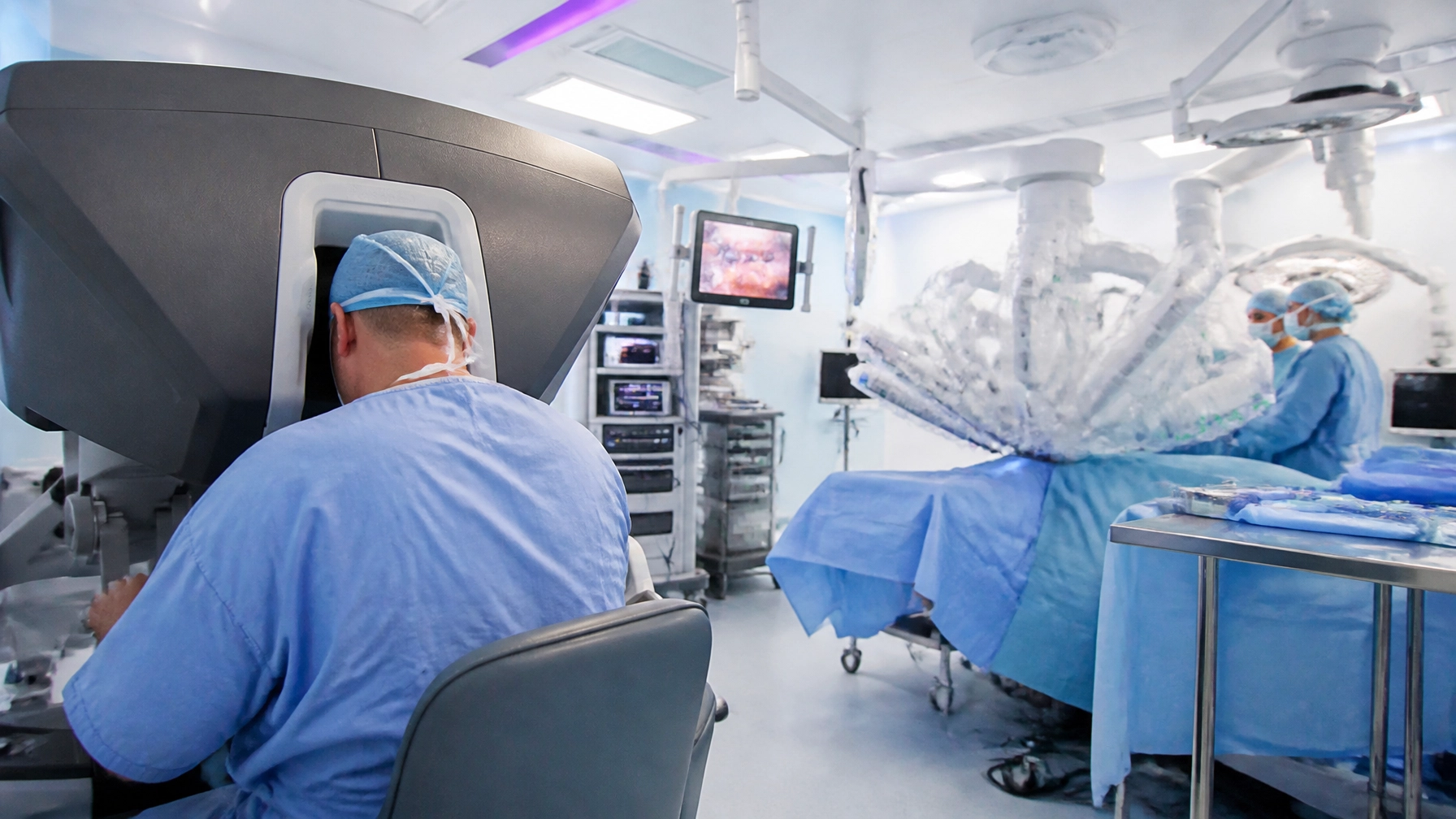
Sheffield has long been a city synonymous with industrial precision and engineering excellence, but the latest advancements at the Sheffield Teaching Hospitals NHS Foundation Trust are shifting that reputation from the steelworks to the operating theatre.
The introduction of advanced robotic-assisted surgery systems has marked a transformative milestone in how complex procedures, particularly for cancer patients, are conducted across the region. This evolution in medical practice is not merely about the hardware; it represents a fundamental shift in surgical philosophy, prioritising minute precision and significantly reduced recovery times for patients who previously faced daunting, invasive operations.
At the heart of this success story is the sophisticated integration of robotic technology that allows surgeons to operate with a level of dexterity and visibility that far exceeds the capabilities of traditional human-led procedures. The system operates through a series of robotic arms, controlled by a lead surgeon seated at a high-definition console just metres away from the patient. This setup translates the surgeon's hand movements into micro-movements of the instruments inside the patient’s body, filtering out even the slightest natural tremors and allowing for incisions that are measured in millimetres rather than centimetres.
The impact of this technology on the local healthcare landscape in South Yorkshire has been profound. By adopting these systems, the Trust has not only improved clinical outcomes but has also positioned Sheffield as a national leader in the next generation of surgical care. Patients who once required weeks of hospital recovery are now often discharged within days, a result that has vast implications for the efficiency of the health service and the quality of life for those undergoing treatment.
The Technical Advantage of Robotic Precision
The mechanical superiority of the robotic systems currently in use in Sheffield lies in their ability to provide a three-dimensional, high-definition view of the surgical site. Unlike traditional laparoscopic surgery, where surgeons view the procedure on a flat monitor, the robotic console offers a deep, immersive perspective that allows for better identification of delicate nerves and blood vessels. This is particularly critical in complex oncological cases, such as prostate or gynaecological cancers, where the margin for error is incredibly slim and the preservation of surrounding healthy tissue is vital for the patient’s long-term functional recovery.
The instruments themselves are designed with 'wristed' technology, meaning they can rotate and pivot with a range of motion much greater than the human hand. In the cramped quarters of the pelvis or the chest cavity, this flexibility allows surgeons to reach angles that were previously inaccessible without making large, open incisions. By navigating around organs with such fluidity, the robot minimises the trauma to the patient’s body, which is the primary driver behind the reduced pain and blood loss reported by clinical teams in Sheffield.
Training for these procedures is rigorous. Surgeons must undergo hundreds of hours of simulation and supervised practice before they are certified to lead a robotic case. This investment in human capital is as important as the financial investment in the robots themselves. The Trust has fostered a culture of continuous learning, ensuring that the transition from traditional methods to robotic-assisted ones is seamless and safe. The result is a surgical team that is among the most highly skilled in the country, capable of utilizing the full potential of the digital interface to deliver results that were once considered the realm of science fiction.
Enhancing Patient Outcomes and Recovery Times
For the individual patient, the benefits of robotic surgery are often felt most significantly during the post-operative phase. Traditional open surgery for major abdominal or thoracic issues usually involves a lengthy hospital stay, a significant risk of infection, and a protracted period of restricted mobility. In contrast, the minimally invasive nature of the robotic approach means that most patients experience far less physical stress. This reduction in physiological trauma translates directly into a faster return to normal activities, which is a key metric for the success of any surgical intervention.
Feedback from patients treated at Sheffield's specialist centres has been overwhelmingly positive. Many have noted that the prospect of 'robot surgery' was initially intimidating, but the reality of the experience was far less daunting than they had anticipated. The smaller scars are not just a cosmetic benefit; they represent a lower risk of post-surgical complications such as hernias or wound infections. Furthermore, because the robotic system allows for such precise dissection, patients often require less pain medication during their recovery, which helps to avoid the side effects associated with heavy analgesic use.
The broader implications for the NHS are equally significant. Every day a patient does not spend in a hospital bed is a day that bed is available for someone else. By shortening the average length of stay for complex surgeries, the Sheffield Teaching Hospitals can increase the volume of procedures they perform, helping to tackle the national challenge of surgical backlogs. The initial high cost of the robotic equipment is increasingly viewed as a long-term saving, as the reduction in complications and readmissions offsets the capital expenditure, making it a sustainable model for the future of British healthcare.
A New Standard for Regional Cancer Care
The deployment of these robotic systems is a cornerstone of a wider strategy to modernise cancer care across the North of England. Sheffield serves as a hub for complex cases from across the region, and the availability of robotic-assisted surgery ensures that patients in South Yorkshire and beyond have access to the same level of technology found in major metropolitan centres worldwide. This democratisation of high-end medical tech is crucial for reducing health inequalities and ensuring that geography does not dictate the quality of a patient’s treatment.
Looking ahead, the success of the robotic programme in Sheffield is expected to pave the way for even more advanced applications. Research is already underway into how artificial intelligence and machine learning can be integrated into the surgical console to provide real-time data overlays, potentially guiding surgeons away from critical structures during the most difficult parts of an operation. The hospital’s commitment to staying at the cutting edge of these developments ensures that it will remain a centre of excellence for decades to come.
As the technology becomes more widespread, the focus is also shifting toward expanding the types of surgery that can be performed robotically. While cancer care has been the primary beneficiary thus far, there is growing potential for robotic use in general surgery, cardiothoracic procedures, and even emergency medicine. The success story in Sheffield serves as a blueprint for other trusts across the United Kingdom, demonstrating that with the right combination of visionary leadership, clinical expertise, and technological investment, the future of surgery is not just robotic: it is remarkably precise and patient-centred.