David Sullivan has resigned from his position as joint-chair and director of West Ham United with immediate effect.
The announcement, which has sent shockwaves through the Premier League, marks the conclusion of a sixteen-year tenure at the helm of the East London club. The seventy-seven-year-old businessman also stepped down from his role as a director of WH Holding Limited, the parent company of the football club.
The decision was formalised following the disclosure of impending media reports involving serious historic allegations regarding Sullivan’s personal life. In an official communication, the club confirmed that the resignation was a proactive move intended to prevent personal matters from becoming a distraction to the team or the wider organisation during a critical period in the football calendar. It was explicitly stated that none of the allegations in question relate to the operations, finances, or conduct of West Ham United as a sporting or corporate entity.
Sullivan, who acquired a majority stake in the club alongside the late David Gold in 2010, has remained a central and often polarising figure in English football. His departure comes at a time when the club is navigating complex transitions on and off the pitch. The interim leadership of the club's day-to-day operations will continue to be overseen by Karim Virani, the interim chief executive officer, who will report directly to the remaining members of the board.
In a personal statement issued alongside the resignation, Sullivan categorially denied the claims that are set to be publicised. He described the allegations as factually incorrect, entirely false, and decades-old. He further suggested that the timing of these reports was sensationalised and linked to his long history in the adult publishing industry, a background that predates his three decades of involvement in professional football.
A Legacy Defined by Transformation and Controversy
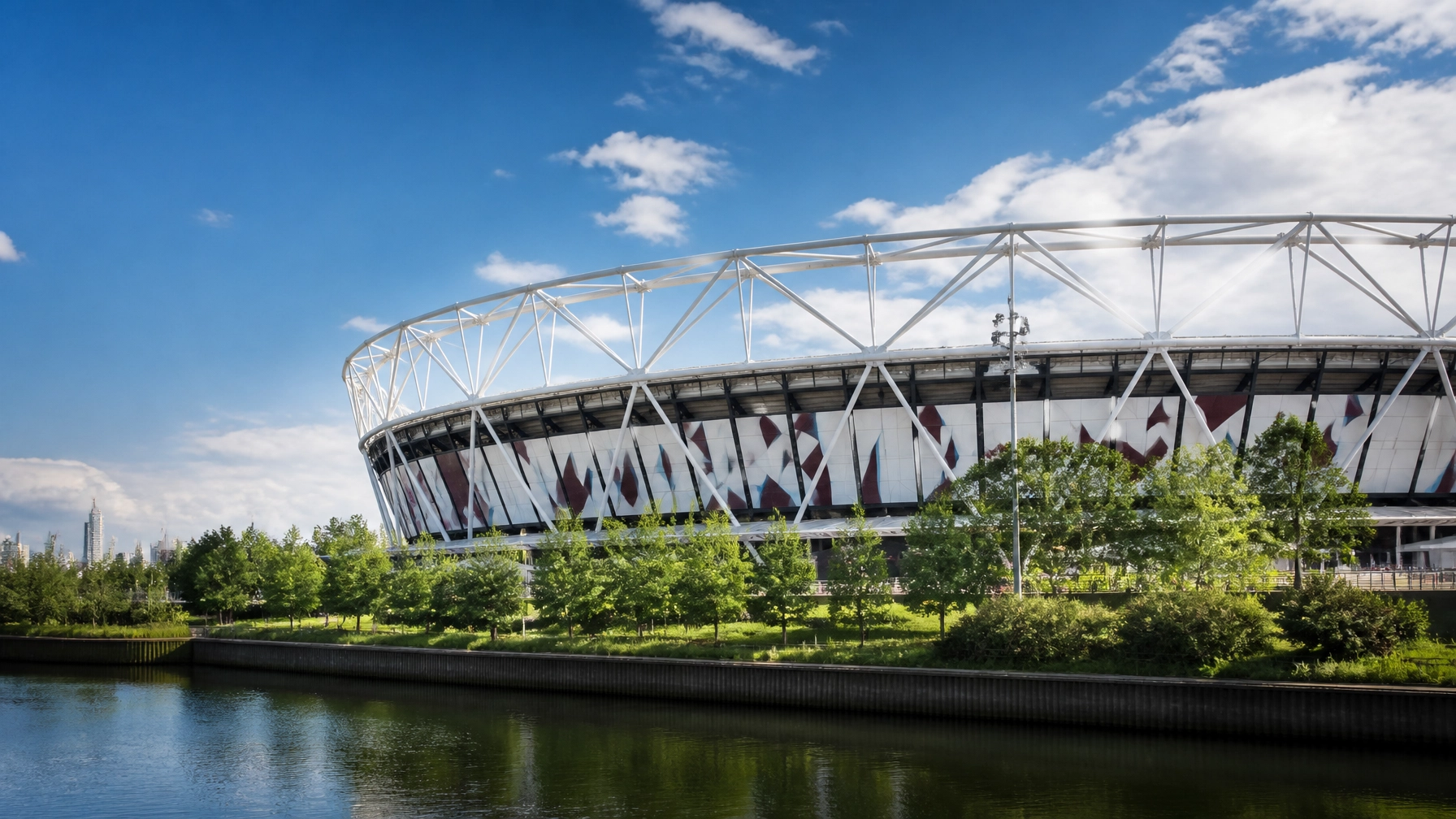
The sixteen years of the Sullivan era at West Ham United have been defined by radical transformation, most notably the club's relocation from their ancestral home at the Boleyn Ground in Upton Park to the London Stadium in Stratford. This move, while initially met with significant resistance from sections of the fanbase, was championed by Sullivan as a necessary step to elevate the club into the elite tier of European football. Under his stewardship, the club secured the Europa Conference League title in 2023, ending a forty-three-year wait for a major trophy and cementing a period of consistent European qualification.
However, Sullivan’s tenure was also marked by periods of intense scrutiny and friction with supporters. The "Next Level" promises made during the stadium move often clashed with the realities of Premier League survival battles and administrative challenges. His hands-on approach to recruitment and public comments regarding player valuations frequently made headlines, reflecting a traditional style of chairmanship that has become increasingly rare in the modern era of billionaire conglomerates and state-owned enterprises.
Beyond the pitch, Sullivan’s business acumen was instrumental in stabilising the club’s finances following the turbulent Icelandic ownership of the late 2000s. He and David Gold provided the capital necessary to keep the club afloat before eventually overseeing a transition that saw Daniel Kretinsky’s 1890s Holdings aB acquire a significant minority stake in 2021. Despite the commercial growth, Sullivan remained the face of the club’s hierarchy, a position he has now vacated under a cloud of legal and personal complexity.
The Nature of the Impending Allegations
The catalyst for this sudden resignation is a collaborative investigation involving major national media outlets, focusing on Sullivan’s business conduct and personal history prior to his deep involvement in the football world. The investigation is reported to scrutinise the methods through which his initial wealth was generated, specifically within the adult industry and newspaper sectors of the late twentieth century. Sullivan has argued that his past has been used as a lever to create "malicious narratives" and has expressed frustration that events from over forty years ago are being resurfaced in the current climate.
Legal representatives for Sullivan have indicated that proceedings will be issued against the parties involved in the upcoming broadcasts. They contend that the allegations are defamatory and lack any credible evidentiary basis. Sullivan has maintained that his professional conduct within the football industry has been exemplary and that he has always operated with the best interests of West Ham United at heart. He stated that he felt compelled to resign to protect the club’s reputation, ensuring that the media focus remains on the players and the sporting objectives rather than his private legal battles.
The vacuum left by Sullivan’s departure raises significant questions about the future power structure at the London Stadium. While the remaining board members and shareholders possess the expertise to manage the club’s commercial interests, Sullivan’s deep-seated influence on the footballing side: particularly in relation to high-level negotiations: will be difficult to replace overnight. The timing is especially sensitive as the club enters a period where long-term strategy for the next several seasons is being finalised.
Navigating Stability in a Season of Change
The immediate priority for West Ham United is to ensure operational continuity. The board has moved quickly to reassure staff, players, and supporters that the club is on a secure footing. Karim Virani’s role as interim CEO becomes even more pivotal as he acts as the bridge between the executive floor and the sporting department. There is a concerted effort within the club to insulate the first-team squad from the external noise surrounding the boardroom changes, with the coaching staff being briefed on the situation to manage player concerns.
For the supporters, the end of Sullivan’s chairmanship represents the closing of a chapter that spanned nearly two decades of highs and lows. While some may see this as an opportunity for a fresh start and a more modern approach to governance, others will acknowledge the role he played in preventing the club from financial collapse and delivering a historic European trophy. The reaction among the fanbase has been mixed, with a shared sense of uncertainty regarding what the transition means for the club's identity and future investment.
As the legal situation unfolds, the focus will inevitably shift toward the potential for further changes in ownership. With Sullivan’s shares now potentially subject to different management or future sale, the prospect of new investment or a complete takeover looms. For now, West Ham United must navigate the fallout of a high-profile departure while attempting to maintain their competitive edge in one of the world’s most demanding sporting environments. The "serious historic allegations" remain a matter for the legal system, but the impact on the footballing landscape of East London is already absolute.