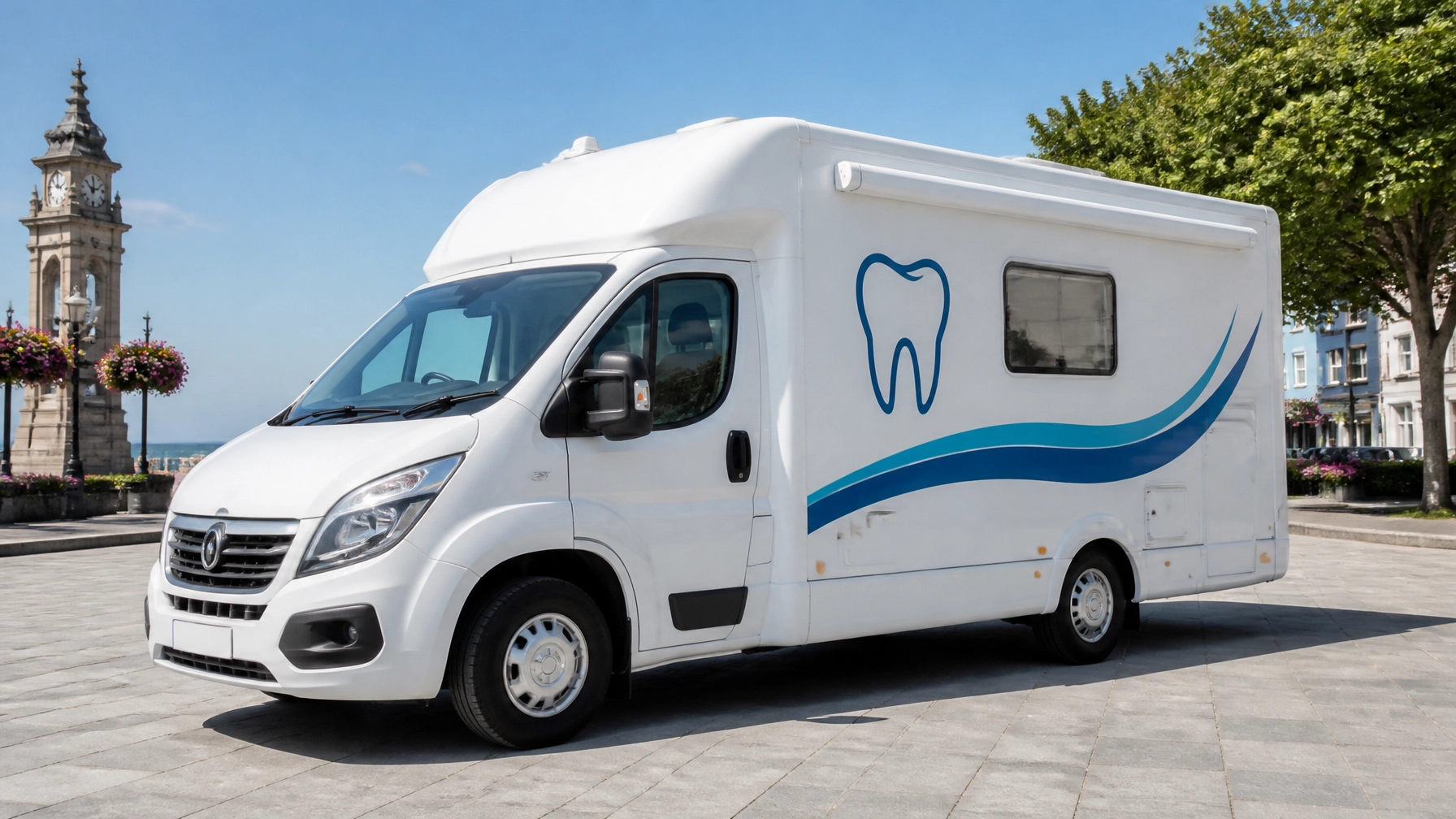
For many people across the United Kingdom, the simple act of sitting in a dentist’s chair has become a distant memory. In the coastal town of Gorleston, Norfolk, this reality was felt more acutely than most. The dental crisis that has gripped the nation for years found its human face this week in a local man named Finlay. After six long years of living with escalating dental issues and the frustration of being unable to secure an NHS appointment, his wait finally came to an end. It wasn't through a traditional surgery door that he found relief, but through the side of a modern, white van parked in the heart of his community.
The arrival of the charity-led mobile clinic has been described by locals as nothing short of heroic. While the national conversation often gets bogged down in statistics and policy debates, the scene in Gorleston was one of immediate, practical action. For Finlay, the six-year hiatus from professional dental care wasn't a choice; it was the result of a system under immense pressure, where waiting lists move at a glacial pace and local practices are often forced to turn away new patients. His story is reflective of a wider trend across Norfolk and the UK, where the "dental desert" phenomenon has left thousands of residents in pain and without a clear path to treatment.
The mobile unit, operated by a leading dental charity, rolled into town as part of a mission to reach those most excluded from the healthcare system. These surgeries on wheels are equipped with the latest technology, allowing volunteer dentists to perform everything from routine check-ups to urgent extractions. The atmosphere around the van was a mixture of relief and gratitude as people who had been suffering in silence finally saw a way out. The impact of this visit extends far beyond a single appointment; it represents a restoration of dignity for those who felt abandoned by the traditional health infrastructure.
A Lifeline for Gorleston
The choice of Gorleston for this mobile clinic was no accident. Like many coastal towns, the area has faced significant challenges in attracting and retaining NHS dentists. The local community has watched as one practice after another either closed its doors or transitioned entirely to private care, leaving those on lower incomes or with complex needs with few options. The arrival of the mobile unit acted as a vital lifeline, bridging a gap that had grown dangerously wide. The clinic’s presence in a central, accessible square meant that the barriers to care: whether they be financial, geographical, or psychological: were momentarily dismantled.
Inside the van, the environment is indistinguishable from a high-end stationary practice. It is a fully functional dental surgery, complete with high-speed drills, X-ray equipment, and a sterile field that meets all modern medical standards. For the residents of Gorleston, seeing such high-quality care delivered in their own backyard was a powerful statement. It sent a message that their health matters, even when the broader system seems to suggest otherwise. The volunteer teams, consisting of experienced dentists and dental nurses, worked tirelessly throughout the day, often extending their hours to ensure that as many people as possible could be seen.
The stories coming out of the Gorleston clinic are remarkably similar. Many patients spoke of "DIY dentistry," where they had attempted to manage their own pain or even perform their own procedures out of sheer desperation. Others described years of avoiding social situations because they were embarrassed by the state of their teeth. The mobile clinic provided a safe, non-judgmental space where these individuals could finally receive the professional help they needed. The relief was palpable, not just for the patients, but for their families and the wider community who have watched their loved ones suffer.
Finlay’s Journey to Pain Relief
For Finlay, the journey to the dentist’s chair was six years in the making. His experience started with a minor ache that, over the years, transformed into a constant, debilitating presence in his life. He recounted the countless phone calls to local practices, only to be told time and again that their NHS lists were full. The frustration of being unable to access a basic human right took a toll on his mental well-being, leading to a sense of hopelessness that many in his position share. When he heard that a mobile clinic was coming to Norfolk, he knew it was his best: and perhaps only: chance.
Stepping into the mobile unit, Finlay was met with compassion rather than the bureaucratic red tape he had grown accustomed to. The dentist on duty was able to identify the source of his chronic pain and perform the necessary treatment on the spot. The physical relief was immediate, but the emotional weight that was lifted was even more significant. Finlay spoke of the "simple joy" of knowing he could eat, sleep, and talk without the background noise of toothache. His story is a testament to the life-changing power of charitable intervention in the face of systemic failure.
Finlay’s case also highlights the efficiency of the mobile model. By bringing the surgery to the patient, the charity eliminates the logistical hurdles that often prevent vulnerable people from seeking care. There are no complicated referral paths or months of waiting for an initial consultation. The treatment is direct, effective, and delivered with a level of empathy that resonates deeply with those who have felt ignored. For Finlay, the six-year wait was a period of unnecessary suffering, but the heroism of the mobile team has finally allowed him to look toward the future with a smile.
The Broader Crisis and Charity Impact
While the success in Gorleston is a cause for celebration, it also serves as a stark reminder of the broader crisis facing the nation's oral health. Charity organizations are increasingly finding themselves as the largest providers of frontline dentistry for vulnerable populations. This shift represents a fundamental change in how healthcare is delivered in the UK. What was once intended to be a safety net for the most marginalized groups: such as the homeless or refugees: is now being called upon to serve the general public in areas where NHS access has completely collapsed.
The statistics are sobering. Millions of people across the country, including a significant number of children, have not seen a dentist in years. The long-term consequences of this lack of preventative care are profound, leading to an increase in emergency hospital admissions for dental infections and a general decline in the nation’s health. Charities like the one that visited Norfolk are doing incredible work, but they are open about the fact that they cannot replace a fully functioning national system. Their work is high-impact and essential, but it is a temporary solution to a permanent problem.
The impact of these mobile clinics goes beyond just physical health. By relieving pain and restoring smiles, these volunteers are helping people re-engage with society. Good oral health is essential for confidence, employment prospects, and general social interaction. When charities step in to provide this care, they are investing in the community’s social fabric. As the mobile unit packs up and moves on to its next location, the legacy it leaves behind in Gorleston: and for patients like Finlay: is one of renewed hope and the reminder that even in the most challenging times, there are still those willing to go the extra mile to help their neighbors.