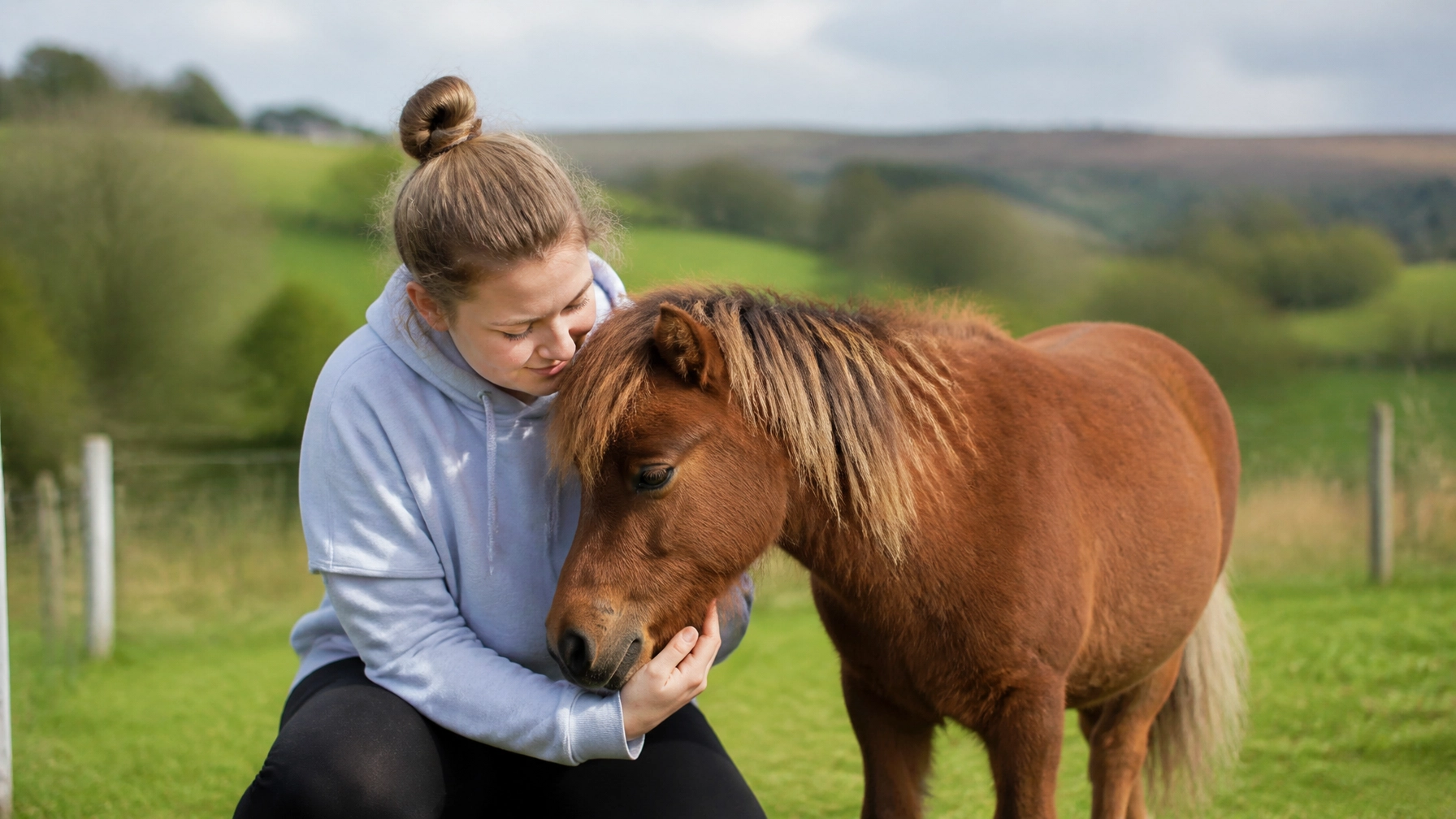
In the quiet, verdant corner of Broadbottom where the Etherow river winds its way through the landscape, a new kind of healing is taking root. It isn’t found in a clinical office with white walls or on a therapist’s couch, but rather in the gentle nuzzle of a miniature horse and the curious bleat of a pygmy goat. The opening of the Inspiring Animal Therapy CIC at The Etherow Centre marks a significant turning point for the local community, offering a sanctuary for those who find traditional mental health support difficult to navigate. This isn't just about animal welfare; it’s about a profound human connection that bridges the gap between isolation and recovery.
For many young people in Tameside and the surrounding Glossop area, the world has become an increasingly loud and overwhelming place. The rise in anxiety, trauma, and social isolation has left families searching for alternatives to mainstream intervention. This new centre provides exactly that: a breathing space where the only requirement is to show up. As visitors walk through the gates, the frantic pace of modern life seems to slow down. The staff here understand that sometimes, the most effective way to process a difficult emotion isn't to talk about it, but to stand beside a living creature that accepts you exactly as you are.
The centre isn't just a local curiosity; it is a professional response to a burgeoning crisis. With a diverse resident population including American miniature horses, pigs, pygmy goats, and even reptiles, the sanctuary offers a sensory-rich environment designed to ground the restless mind. The focus is heavily on the therapeutic bond, utilising the natural empathy of animals to help children and adults alike find their feet again. In a region where mental health services are under immense pressure, the arrival of such a specialised facility is a breath of fresh air for parents and educators who have seen conventional methods fall short for their loved ones.
A Response to the Growing Mental Health Crisis
The demand for mental health support in the UK has reached unprecedented levels, particularly among the youth. In recent years, the combination of social media pressures, the lingering effects of global instability, and the sheer pace of the educational system has created a "perfect storm" for anxiety and neurodivergent challenges. For a young person struggling with trauma or low confidence, a traditional classroom or a formal consultation room can feel like a cage. This is where the animal-assisted therapy model steps in, providing a low-pressure environment where the focus shifts from the "problem" to the "presence."
At the Broadbottom base, the team sees first-hand how conventional systems can sometimes struggle to accommodate the specific needs of neurodivergent individuals or those with additional needs. When a child feels misunderstood by the world, they often retreat into themselves. Animals, however, do not use words. They don’t judge based on social cues or academic performance. This unconditional acceptance is the foundation of the work being done at the centre. By providing a space that feels safe and predictable, the sanctuary allows visitors to lower their guards and begin the work of emotional regulation.
The rise in referrals for animal-assisted intervention isn't just a trend; it's a recognition of its efficacy. Schools and local authorities are increasingly looking toward organisations like Inspiring Animal Therapy CIC to provide alternative provision for pupils who find mainstream education impossible. By moving the "classroom" to the paddock, the centre is able to reach those who have been left behind by standard structures. It’s a vital safety net that ensures no child is written off simply because they learn or process the world differently.
The Therapeutic Magic of Miniature Horses and Pygmy Goats
There is a specific biological reason why being around animals feels so good. Scientific research has long suggested that interacting with animals can trigger the release of "feel-good" hormones such as oxytocin and serotonin. These chemicals are responsible for reducing stress levels and promoting a sense of well-being. At the Broadbottom centre, this science is put into daily practice. The miniature horses, in particular, play a starring role. Despite their small stature, these animals possess an incredible emotional intelligence, often mirroring the feelings of the person standing next to them.
Working with a horse, even a miniature one, requires a level of presence and calm that few other activities can match. If a visitor is feeling anxious, the horse will pick up on that energy. This provides an immediate, non-verbal feedback loop. To lead the horse or even to groom it successfully, the individual must find a way to regulate their own emotions. This "co-regulation" is a powerful tool in teaching young people how to manage their anxiety in the real world. The confidence gained from successfully communicating with a four-legged companion often translates into improved social skills and self-esteem in other areas of life.
The pygmy goats and pigs add another layer to the therapeutic experience. While the horses require focus and calm, the smaller animals often offer moments of levity and grounding. The simple act of feeding a goat or watching a pig root around in the soil can bring a person back into the present moment, away from the spiralling thoughts that often characterise trauma and depression. For those who find it hard to find the words to describe their pain, the animals offer a way to feel safe, understood, and anchored. It is a quiet form of therapy that works through the skin and the senses, bypassing the intellectual barriers we often build around our struggles.
Empowering the Next Generation Through Accredited Learning
While the immediate emotional benefits of the sanctuary are clear, the centre is also looking toward the long-term future of its visitors. One of the most impressive aspects of the Broadbottom facility is its role as an alternative education provider. By offering ASDAN and AQA accredited courses, the centre ensures that young people who struggle with mainstream school don't miss out on vital qualifications. They aren't just petting animals; they are learning about animal husbandry, biology, responsibility, and teamwork. For many, this is the first time they have felt successful in an educational setting.
This approach transforms the sanctuary from a place of temporary relief into a platform for future growth. Students who might have been labeled as "difficult" or "disengaged" in a traditional school often thrive when given a practical, hands-on role. The responsibility of caring for another living being provides a sense of purpose that is often missing from their lives. They learn the value of routine, the importance of empathy, and the satisfaction of a job well done. These are life skills that will serve them long after they leave the paddocks of Broadbottom.
The impact of this work ripples out through the entire community. By supporting young people in their recovery and education, the centre is helping to build a more resilient local population. The outreach programmes also extend this healing touch to hospitals, hospices, and care homes, ensuring that the benefits of animal therapy are accessible to everyone, regardless of their circumstances. As the Inspiring Animal Therapy CIC settles into its new home at The Etherow Centre, it stands as a testament to the power of unconventional thinking in the face of a mental health crisis. In the soft eyes of a miniature horse, many in Broadbottom are finally finding the hope they have been looking for.