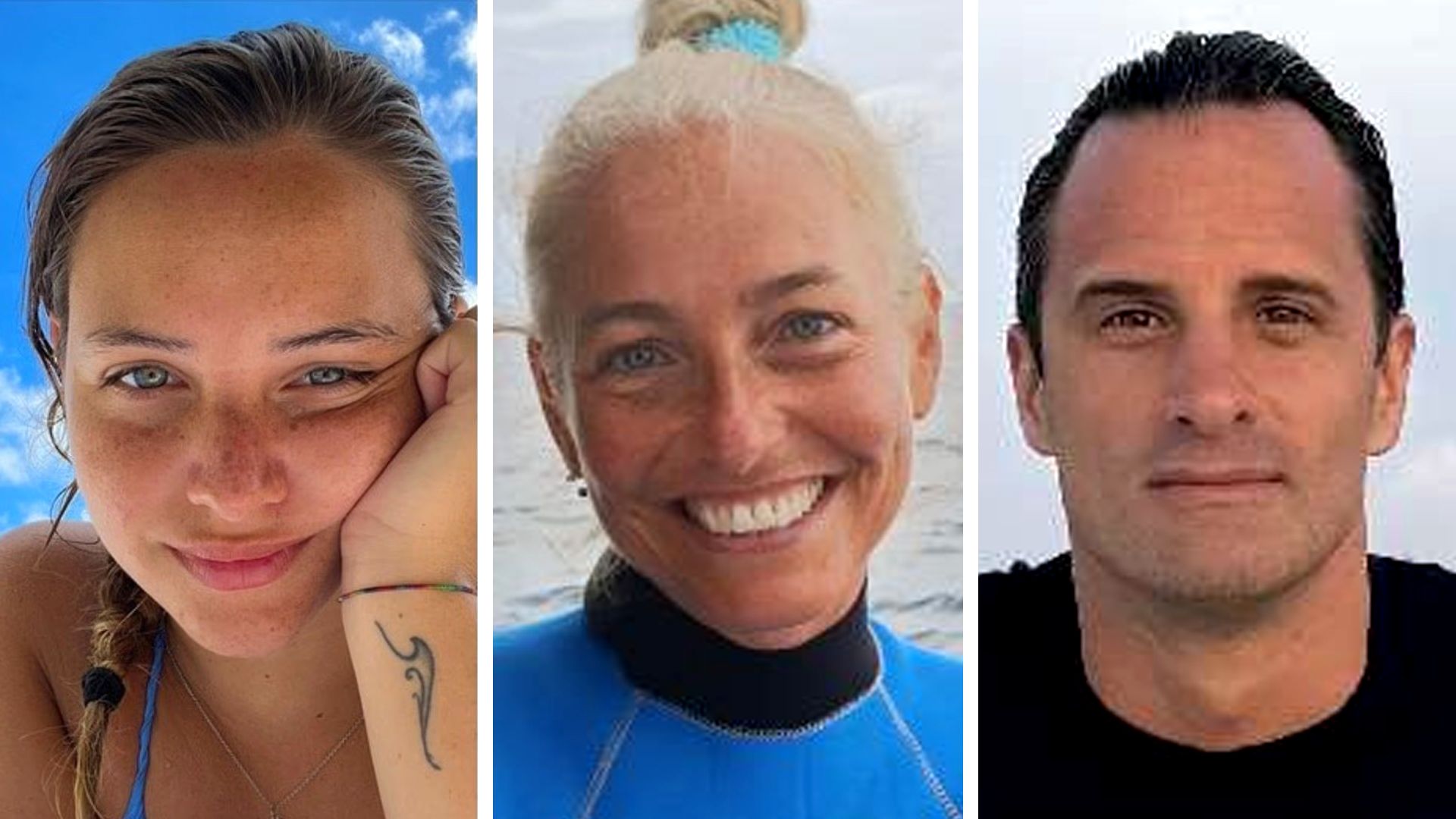
The tranquil waters of the Maldives have become the site of a profound tragedy following a scuba diving accident that claimed the lives of five Italian tourists.
The incident occurred near the Vaavu Atoll, a region renowned for its dramatic underwater topography and vibrant marine life, which frequently draws experienced divers from across the globe. Among the deceased were a university professor and his adult daughter, whose exploration of the archipelago’s deep-water cave systems ended in a fatal struggle against the elements of the Indian Ocean.
Local authorities and maritime rescue teams were alerted when the group failed to resurface within their scheduled dive window. The victims were part of a guided expedition exploring a series of underwater overhangs and caves located at a depth of approximately 50 metres. This depth sits significantly below the standard recreational limit for many diving organisations, placing the activity firmly in the category of technical or deep-water diving. While the Maldives is a bucket-list destination for many, the inherent risks of such extreme depths have been brought into sharp focus by this loss of life.
The Vaavu Atoll is specifically noted for its “kandus” or channels, where the ocean currents move with considerable force. These currents are what bring the large pelagic species that divers hope to see, but they also create complex navigational challenges. When combined with the “overhead environment” of an underwater cave, the margin for error becomes incredibly slim. In such environments, a diver cannot make a direct vertical ascent to the surface in the event of an emergency, making gas management and situational awareness paramount.
The Risks of Deep-Water Cave Exploration
Diving to a depth of 50 metres introduces physiological pressures that the human body is not naturally equipped to handle without specialised training and equipment. At this depth, the pressure is six times greater than at the surface. One of the primary concerns for divers at this level is nitrogen narcosis, often described as a feeling of drunkenness or euphoria caused by the high partial pressure of nitrogen in the blood. This condition can severely impair judgement, coordination, and the ability to monitor critical life-support equipment. In the confined and often disorientating space of an underwater cave, even a minor lapse in concentration can lead to a catastrophic outcome.
The specific cave system where the accident occurred is known for its narrow passages and the potential for “silt-outs,” where a diver’s fins kick up sediment from the floor, reducing visibility to zero in seconds. Navigating an overhead environment requires the use of guide lines and redundant air supplies. If a group becomes separated or a line is lost in low visibility, the risk of drowning increases exponentially. Reports from the site suggest that the Italian group was attempting to navigate a particularly challenging section of the reef when they encountered difficulties. The transition from a beautiful coral overhang to a pitch-black cave interior is a transition that requires absolute technical precision.
Furthermore, the duration of a dive at 50 metres is strictly limited by the amount of gas a diver can carry and the need for decompression stops. If a diver panics or experiences an equipment failure at this depth, they cannot simply swim to the surface. Doing so would lead to decompression sickness, or “the bends,” which can be fatal. The group would have been required to perform several staged stops on their way back to the surface to allow the nitrogen absorbed into their tissues to safely off-gas. It is currently being investigated whether a technical failure or a group-wide panic prevented these vital safety procedures from being carried out.
Investigation into Supervision and Safety Standards
The Maldivian police, in conjunction with the Ministry of Tourism, have launched a comprehensive investigation into the circumstances surrounding the deaths. Central to this inquiry is the role of the local dive operator and the level of supervision provided to the tourists. While the victims were experienced divers, the complexities of the Vaavu Atoll require local knowledge of tidal shifts and current strengths that can change within minutes. Investigators are examining the dive logs and the equipment used by the group to determine if there were any mechanical failures or if the dive plan itself was fundamentally flawed.
Questions are also being raised regarding the certification levels of the participants. For a dive to 50 metres, participants are generally expected to hold advanced deep-water or technical diving certifications. The university professor, who was a seasoned diver, and his daughter were reportedly well-versed in the sport, but the conditions on the day of the accident may have exceeded the capabilities of even the most prepared individuals. The investigation will look into whether the group was properly briefed on the specific hazards of the cave system and whether the guide was able to maintain control of the group as they entered the overhead environment.
The dive industry in the Maldives is a cornerstone of the national economy, and the government is under pressure to ensure that safety standards are rigorously upheld. This incident has prompted a review of the regulations governing deep-water diving excursions, with potential new mandates for additional safety divers or surface support vessels for any dives exceeding 30 metres. The integrity of the equipment, including the breathing gas mixtures used by the Italians, is also under scrutiny. If it is found that the oxygen or nitrogen ratios were incorrect for the depth achieved, it could point toward a tragic error in the preparation phase on land.
Global Impact on the Maldives Tourism Industry
The deaths of five tourists in a single incident is a rare and devastating event for the Maldives, which usually enjoys a reputation for safe and high-quality tourism. As the news reached Italy and the wider international community, it sent shockwaves through the global diving community. The loss of a respected academic and his family members has added a layer of personal tragedy to the technical concerns of the diving world. For many, the Maldives represents a paradise of luxury and leisure, but this accident serves as a stark reminder of the power of the natural world and the risks inherent in adventure tourism.
Local businesses in the Vaavu Atoll have expressed their condolences and shared their concerns about the long-term impact on the region’s reputation. Dive tourism is a primary source of income for many island communities, and a high-profile accident can lead to a significant drop in bookings. There is a delicate balance to be struck between promoting the Maldives as an accessible destination for all and maintaining the high-level technical requirements needed for its more challenging dive sites. Industry experts are calling for better communication regarding the difficulty levels of specific reefs, ensuring that tourists do not over-estimate their abilities in the face of enticing underwater scenery.
The aftermath of the tragedy will likely see a renewed focus on “safety first” marketing across the archipelago. This includes better education for tourists on the physiological effects of deep diving and the importance of adhering to local guide instructions. While the investigation continues, the diving community is mourning the loss of five of its own. The bodies of the victims are being repatriated to Italy, where further forensic examinations may provide the final answers to what went wrong in the depths of the Vaavu Atoll. For now, the caves remain closed to the public as the authorities work to prevent such a tragedy from ever happening again.
The Maldivian maritime authorities have confirmed that all dive operations in the immediate vicinity of the accident site were suspended following the recovery of the bodies. Search and rescue divers described the conditions as exceptionally challenging, noting that the currents remained strong even hours after the incident. The equipment recovered from the seabed is currently being shipped to a specialist facility for analysis. Initial findings from the police suggest that the group was found in close proximity to one another, indicating that they may have been attempting a collective emergency procedure at the time of their deaths. Final reports from the Ministry of Tourism are expected to be released in the coming months, providing a definitive account of the sequence of events.