The national threat level in the United Kingdom has been officially moved to ‘Severe’, a designation that indicates an attack on British soil is now considered highly likely.
This shift, announced following a rigorous assessment by the Joint Terrorism Analysis Centre (JTAC), marks a significant departure from the ‘Substantial’ rating that had been in place previously. The decision to escalate the threat level is a response to an evolving security landscape characterised by a complex blend of domestic and international pressures, reflecting a heightened period of risk for the public and the security services alike.
Security officials have confirmed that the change was not triggered by a single specific plot but is rather the result of a cumulative increase in the volume and intensity of threats monitored over recent months. While a high-profile incident in North London earlier this spring served as a catalyst for the immediate review, the underlying data suggests a broader trend of radicalisation and intent. The ‘Severe’ rating is the second-highest level on the government’s five-point scale, sitting just below ‘Critical’, which is reserved for occasions when an attack is believed to be imminent.
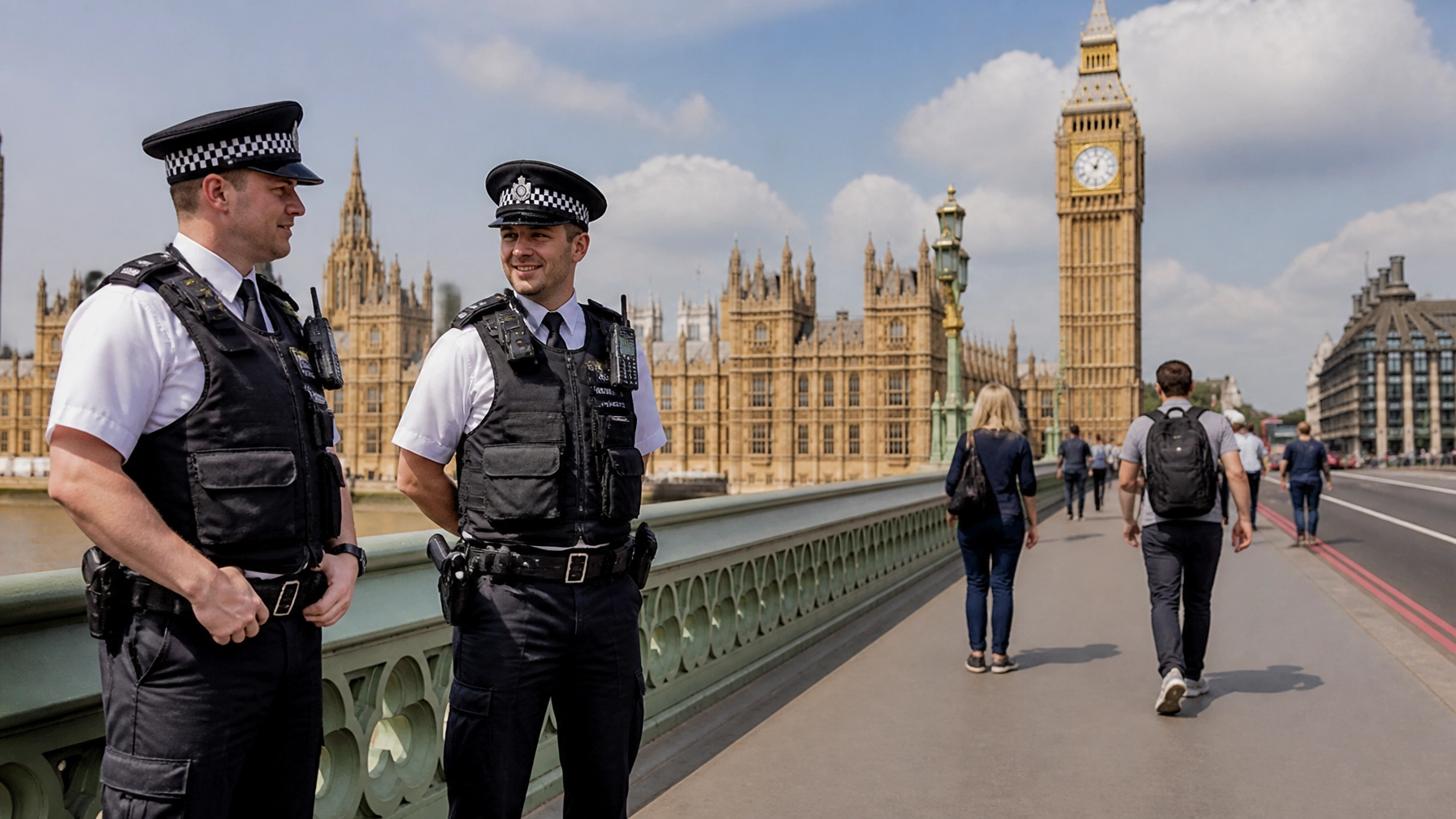
The move to ‘Severe’ has immediate implications for policing and security infrastructure across the country. Members of the public can expect to see an increased presence of armed and unarmed officers at major transport hubs, landmarks, and high-footfall areas. This visibility is designed to act as both a deterrent to potential attackers and a reassurance to the citizenry. However, the core of the work remains largely hidden from view, involving deep-cover intelligence gathering and the monitoring of digital spaces where extremist ideologies are often fostered and spread.
Understanding the Shift in National Security
The process of determining the national threat level is an independent function performed by JTAC, which is based within the MI5 headquarters. This body brings together experts from across the intelligence community, including the police and various government departments, to provide a holistic view of the dangers facing the country. By removing the decision-making process from the direct hands of politicians, the system aims to ensure that security warnings are based strictly on intelligence and empirical data rather than political expediency.
A move to ‘Severe’ is never taken lightly. It signifies that the intelligence community has identified a clear and present intent among various factions to carry out acts of violence. In this instance, the escalation reflects a dual-threat environment. On one side, there is the persistent challenge of Islamist extremism, which continues to adapt its methods and messaging. On the other, there is a rising tide of extreme right-wing terrorism, which has become an increasingly significant focus for counter-terrorism units over the last five years.
The interplay between these different ideologies creates a volatile atmosphere. Security analysts have noted that domestic events, combined with geopolitical shifts, often serve as recruitment tools for those looking to radicalise vulnerable individuals. The digital age has accelerated this process, allowing extremist content to bypass traditional filters and reach people in the privacy of their own homes. This decentralised threat model makes the work of the security services infinitely more difficult, as they are no longer just looking for large-scale, coordinated plots, but also for ‘lone-actor’ individuals who may decide to act with little to no warning.
The Domestic Landscape and Evolving Tactics
One of the primary concerns for officials at the current ‘Severe’ level is the shift in tactics employed by those wishing to cause harm. Gone are the days when the primary fear was restricted to sophisticated, multi-person cells planning large-scale bombings. While those threats still exist and are monitored, the more prevalent danger now comes from low-sophistication attacks. These often involve common items, such as knives or vehicles, which require minimal training and can be executed spontaneously.
The rise of the lone actor is perhaps the most challenging aspect of the modern counter-terrorism strategy. These individuals often operate on the fringes of known extremist circles, making them harder to detect through traditional surveillance. Often, the transition from consuming extremist content to planning an act of violence can happen rapidly. This "flash to bang" period has shortened significantly, leaving security services with a narrower window of opportunity to intervene.
Furthermore, the influence of state-linked threats has added a new layer of complexity to the UK’s security posture. Officials have increasingly pointed towards the role of hostile foreign actors who seek to sow discord and encourage violence within British borders. By weaponising disinformation and exploiting existing social fractures, these actors can create a climate of fear and instability that extremist groups are quick to capitalise on. The decision to raise the threat level to ‘Severe’ is an acknowledgment that the UK is navigating a period where these various threads of risk are beginning to converge.
Public Vigilance and the Role of the Community
In the wake of this heightened threat level, the consistent message from the authorities is for the public to remain ‘alert but not alarmed.’ This mantra is more than just a psychological sedative; it is a call for a specific type of communal participation in national security. The ‘Severe’ level necessitates a higher degree of public awareness, where citizens are encouraged to trust their instincts and report anything that feels out of place or suspicious.
The effectiveness of the UK’s counter-terrorism effort relies heavily on the relationship between the police and the communities they serve. Information provided by the public has historically been a vital component in disrupting plots before they can reach fruition. This includes everything from reporting unusual activity around sensitive sites to flagging concerns about individuals who may be showing signs of radicalisation. At a time when the threat is highly decentralised, the eyes and ears of the general public become an essential extension of the security apparatus.
The escalation to ‘Severe’ also prompts a review of security protocols for businesses and public venues. From shopping centres to sporting arenas, management teams are being urged to refresh their emergency plans and ensure that staff are trained in how to respond to a variety of threat scenarios. While the goal is to maintain a sense of normality and ensure that daily life can continue without undue disruption, the underlying reality is that the margin for error has narrowed.
As the UK settles into this period of heightened readiness, the focus remains on resilience. The threat levels are dynamic and are subject to constant review; they can be lowered just as quickly as they are raised if the intelligence picture changes. For now, however, the ‘Severe’ status serves as a sobering reminder of the persistent challenges facing modern Britain. The task for the security services is to stay one step ahead in a game where the rules are constantly being rewritten, while the task for the public is to remain vigilant, ensuring that the collective spirit of the country remains undeterred by the shadow of potential violence.