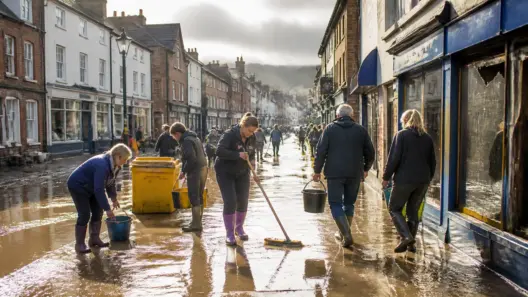
The British high street has been through the wringer lately. From the ghost towns of the mid-2020s to the shuttered windows of family-run shops that once defined our local identity, the narrative has often been one of terminal decline. But this weekend, the script has been flipped in a way that few saw coming. Across the country, from the cobbled lanes of York to the bustling arteries of South London, an unprecedented surge of community spirit has taken hold. The Big Help Out has returned after its year-long hiatus, and the sheer scale of the turnout suggests that the British public isn't quite ready to let their local centres fade into history.
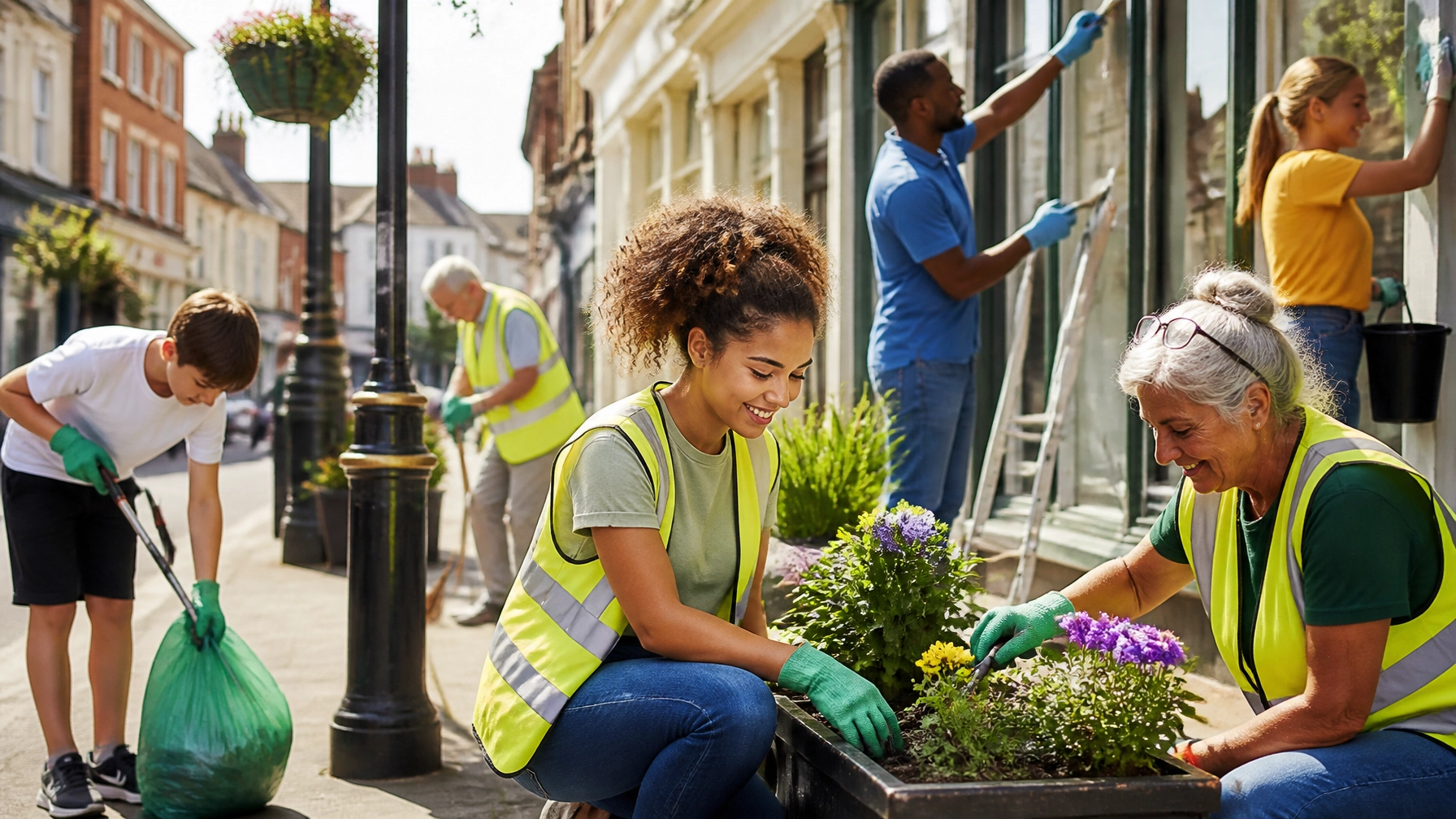
Early reports indicate that participation has eclipsed previous records, with millions of people trading their Saturday morning lie-ins for litter pickers, paintbrushes, and gardening gloves. The atmosphere is undeniably electric. There is something profoundly British about seeing a retired headteacher and a nineteen-year-old apprentice side-by-side, scrubbing graffiti off a Victorian post box while discussing the merits of the local football team. It is a mass mobilisation of goodwill that serves as a reminder that, despite the headlines telling us how divided we are, the desire to fix what is broken remains a common thread in our national fabric.
The initiative, which first captured the public imagination during the Coronation festivities a few years ago, has evolved into something far more significant than a one-off royal tribute. It has become a barometer for the health of our civic society. After taking a planned break last year, the hunger for collective action seems to have intensified. People are no longer waiting for a centralised authority to solve the problems they see every time they step out of their front doors. Instead, they are taking matters into their own hands, proving that a bucket of soapy water and a bit of elbow grease can achieve more in a morning than a decade of bureaucratic hand-wringing.
A Community Reborn Under the Sun
The numbers tell a story of a nation that is rediscovering the joy of the 'neighbour'. In its inaugural year, over seven million people took part, followed by a slightly smaller but no less enthusiastic turnout of six and a half million the year after. This year, the estimates are already climbing past those benchmarks. What is particularly striking is the demographic shift. While volunteering was once seen as the preserve of the retired or those with time to kill, the 2026 return has seen a massive influx of Gen Z participants. For many young people, this isn't just about 'doing a good deed'; it is about reclaiming their physical environment in a world that often feels increasingly digital and detached.
On high streets up and down the UK, the results are immediate and visual. Shopfronts that have been magnets for fly-posting for years are being stripped back and repainted. Neglected planters, once filled with nothing but cigarette butts and crisp packets, are now bursting with hardy perennials and pollinator-friendly shrubs. These small, tactile changes have a ripple effect. When a street looks cared for, people treat it with more respect. It encourages footfall, supports the remaining small businesses, and, perhaps most importantly, restores a sense of pride in the residents who walk those pavements every day.
The social impact is equally profound. Research from previous events showed that seven out of ten participants felt more united with their local area after taking part. An even higher percentage reported meeting someone from a different background for the first time in years. In an age of echo chambers and social media silos, the physical act of cleaning a park or helping at a food bank serves as a necessary antidote to isolation. It turns strangers into acquaintances and acquaintances into neighbours. This weekend, the high street has ceased to be merely a place of commerce and has briefly returned to its original function: the heart of the community.
The Hard Truth Behind the Litter Pickers
However, it would be a mistake to view this purely through rose-tinted spectacles. While the 70 percent of this story is about the triumph of the human spirit, the remaining 30 percent is a stark indictment of the state of our public services. We must ask ourselves the uncomfortable question: why is a mass mobilisation of volunteers necessary to keep our high streets from falling apart? The reality is that the record-breaking numbers we are seeing are, in part, a response to a vacuum left by years of underfunding and systemic neglect.
Local councils across the UK are facing unprecedented financial strain. In many areas, essential maintenance tasks — the very ones being performed by volunteers this weekend — have been slashed from budgets to protect core services like social care and child protection. When the state retreats from the public square, it falls to the citizenry to fill the gap. While it is heartening to see people painting park benches, it is also a reminder that our tax-paying society has reached a point where the basics of urban upkeep are now considered an optional extra. The 'Big Help Out' is a beautiful thing, but it should not be used as a convenient excuse for further government austerity or as a permanent replacement for properly funded local government.
Furthermore, the decay of the high street isn't just an aesthetic issue; it's a structural one. High rents, business rates that are no longer fit for purpose, and the relentless march of online retail have hollowed out our town centres. A morning of litter-picking cannot fix a broken economic model. There is a danger that these events become a sticking plaster on a gaping wound. We are seeing volunteers cleaning up after a system that has, in many ways, failed them. The hard-hitting truth is that if we want these transformed high streets to stay transformed, we need more than just a weekend of goodwill; we need a radical rethink of how we value and support our local economies throughout the rest of the year.
Building a Legacy Beyond the Weekend
The true measure of success for this weekend won't be found in the number of bags of rubbish collected or the square footage of walls repainted. It will be found in what happens on Monday morning. The goal of this initiative has always been to create a low-pressure entry point for people to 'have a go' at volunteering, with the hope that the experience sticks. If even a fraction of those record-breaking millions decide to commit just one hour a month to a local cause, the long-term impact on the UK’s voluntary sector could be transformative.
Charities are currently facing a 'perfect storm': increased demand for their services coupled with a decrease in regular donations due to the cost-of-living crisis. They desperately need the energy and perspectives that new volunteers bring. The influx of younger participants is particularly promising for the legacy of the movement. If we can foster a culture where community service is seen as a normal part of a balanced life, rather than an extraordinary event, we can build a more resilient society. The 18-to-24 demographic has shown the highest intent to continue volunteering, suggesting that the spirit of 2026 is one that could define a generation.
As the sun sets on this weekend of action, the high streets of Britain look a little brighter, a little cleaner, and a lot more loved. But as the volunteers head home and the tools are put away, the conversation must continue. We have seen what we are capable of when we work together, and we have also seen the cracks that we are being asked to paper over. The challenge now is to keep that momentum going, to hold onto that sense of unity, and to ensure that the transformation of our high streets is not just a fleeting moment in time, but the start of a permanent shift in how we care for the places we call home. The story of the Big Help Out is a positive one, but it is also a call to action for everyone: from the local resident with a broom to the policymakers in the halls of power.