Claire Smith stood at the starting line in Greenwich, surrounded by thousands of runners, each with their own story, their own motivation, and their own mountain to climb. For the 42-year-old mother from Dudley, the mountain was not just the 26.2 miles of tarmac stretching ahead of her, but the very air she was struggling to pull into her body. Having spent years managing a condition that left her with just fifty per cent of her lung capacity, the mere act of standing there was a testament to a level of grit that most would find unimaginable. As the starting klaxon sounded, Claire began a journey that many medical professionals had suggested might be beyond her, proving that the human spirit often has more endurance than the organs that sustain it.
The journey to the finish line on The Mall did not begin on a Sunday morning in London; it began years earlier in a consultant's office in the West Midlands. Claire had always been active, but a progressive respiratory condition had slowly chipped away at her physical freedom. The diagnosis was a blow, but the reality of living with half the breath of a healthy adult was even harder. Simple tasks like climbing the stairs or carrying groceries from the car became calculated efforts. For most people in her position, the goal would be maintenance and comfort, but Claire had other ideas. She wanted to show her children that a diagnosis is a description of a condition, not a limit on a life.
The Daily Struggle for Breath
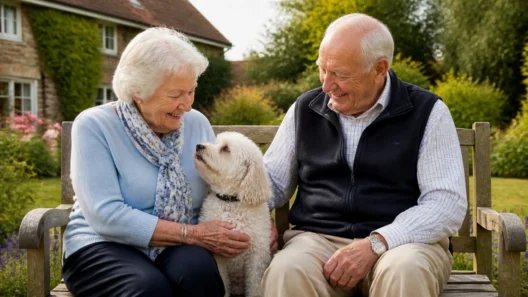
Living with significantly reduced lung function is a constant exercise in pacing. For Claire, every movement requires a conscious decision about oxygen expenditure. In the lead-up to the marathon, her daily life was a series of small victories and necessary compromises. Walking the dog in the local parks of Dudley became her primary training ground, where she would monitor her heart rate and oxygen saturation with clinical precision. There were days when the damp West Midlands air felt like lead in her chest, making even a short walk feel like a sprint. Yet, she persisted, building up her tolerance one step at a time, often returning home exhausted but undeterred.
The psychological toll of such a condition is often as heavy as the physical one. The fear of an exacerbation or a sudden loss of breath is a constant companion. Claire worked closely with respiratory specialists to understand where her "red line" was: the point where pushing further became dangerous rather than just difficult. She learned to breathe from her diaphragm, to use every available cubic centimetre of her remaining lung tissue, and to remain calm when the panic of breathlessness threatened to take hold. This mental fortitude would prove to be her greatest asset on the streets of the capital, where the noise and the heat can overwhelm even the most seasoned athletes.
A Gruelling Training Regime
Preparing for a marathon with full lung capacity is a daunting task that requires months of dedication and hundreds of miles on the road. For Claire, the training regime had to be entirely redesigned to accommodate her physiological limitations. She could not follow the standard high-intensity interval plans or long-distance runs that most charity runners use. Instead, she adopted a "run-walk" strategy, a method that allowed her heart rate to settle and her lungs to recover during the walking breaks. This meant her training sessions lasted significantly longer than average, often spending four or five hours on her feet just to cover ten or twelve miles.
The support from the local running community in Dudley was instrumental in keeping her motivated during the dark winter months. Friends and fellow members of her local club would take turns accompanying her on her slow, measured laps, providing the conversation that helped distract her from the burning sensation in her chest. She had to be hyper-aware of her environment; cold air could trigger a spasm in her airways, while high pollen counts during the spring could make breathing nearly impossible. Every session was a gamble with her health, but it was a gamble she was willing to take to prove that she was still in control of her own destiny.
Triumphant Moment on The Mall
When the big day finally arrived, the atmosphere in London was electric. The streets were lined with supporters, their cheers creating a wall of sound that pushed the runners forward. For the first ten miles, Claire felt strong, her pacing strategy working perfectly. However, as she crossed Tower Bridge and headed into the second half of the course, the physical reality of her condition began to bite. The fatigue was not just in her legs, but in the muscles of her chest and neck that were working overtime to help her breathe. Every mile after the halfway point became a battle of wills, as her body screamed for her to stop and rest.
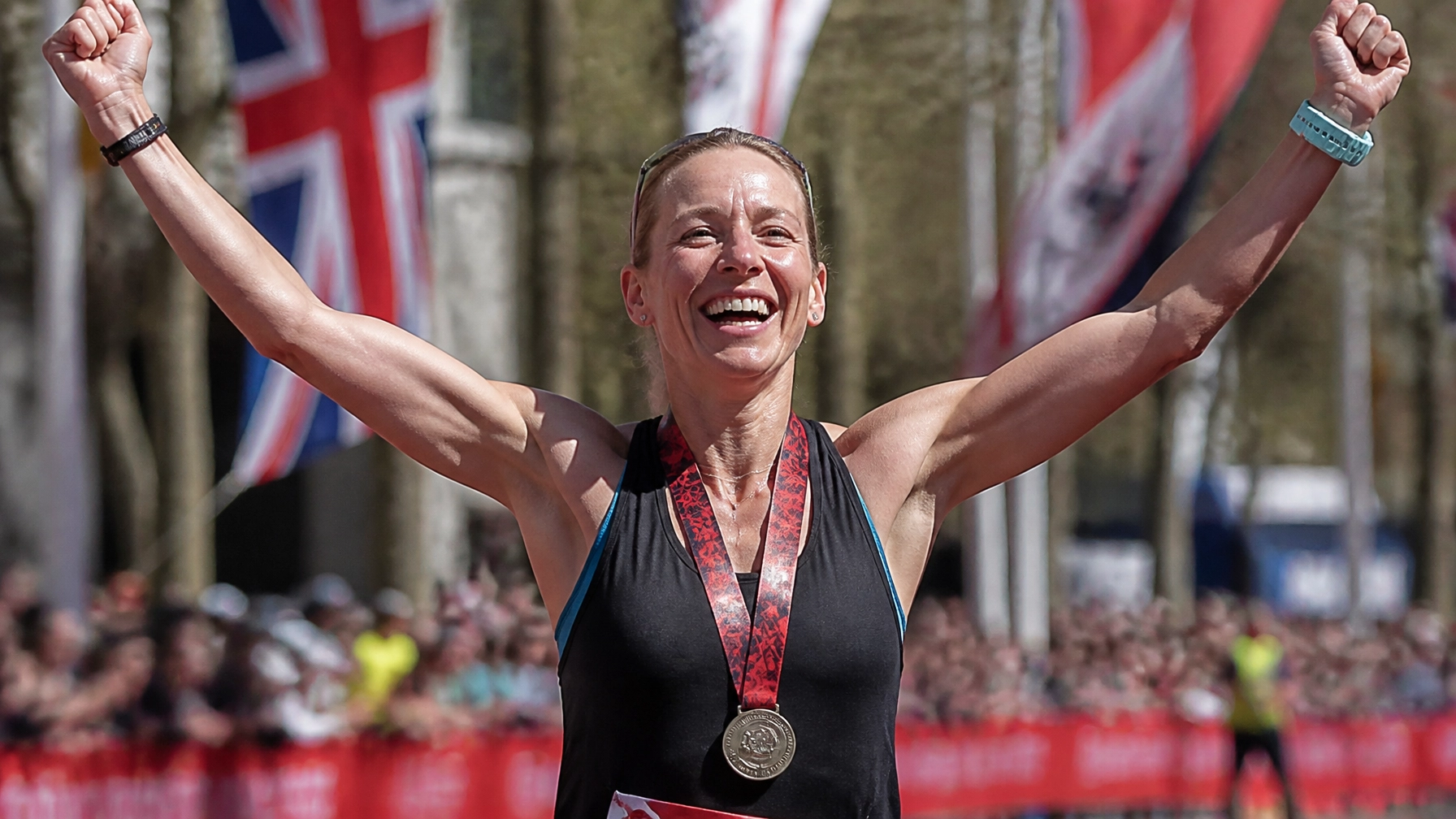
As she turned the corner onto The Mall, with Buckingham Palace in the background and the finish line finally in sight, the pain seemed to evaporate. The crowd, sensing her effort, roared their encouragement, and Claire found a final reservoir of energy she didn't know she possessed. Crossing the line in just under seven hours, she was met with a finisher's medal and a wave of emotion that left her breathless for an entirely different reason. She had done what many thought was impossible, completing one of the world's most famous races with only half the lung capacity of the people running alongside her. Her achievement is a powerful reminder that while our bodies may have limits, our determination does not.