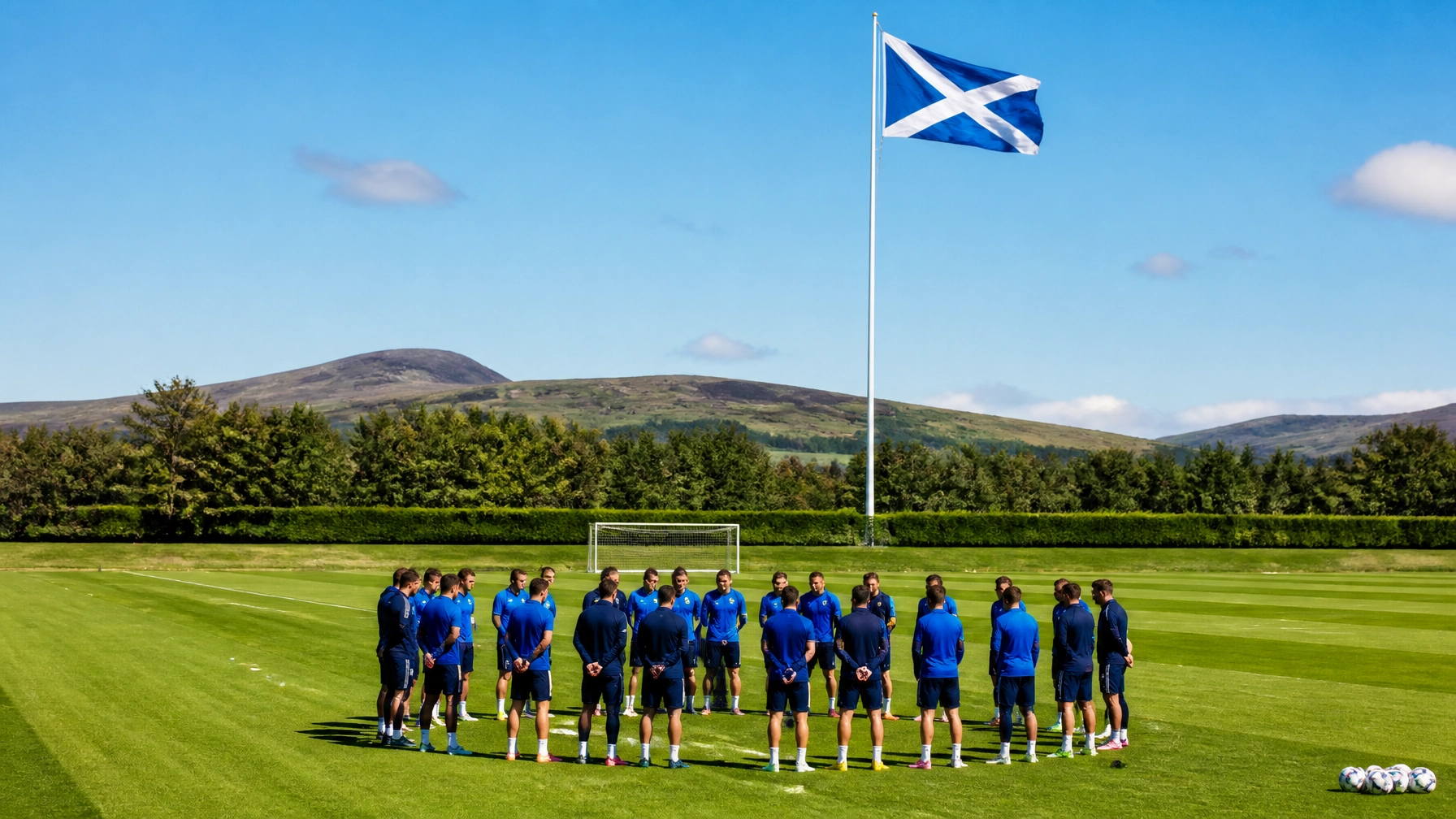
The long-awaited moment has finally arrived for football fans across the country, as the definitive list of players set to represent the nation on the world stage has been made public. Steve Clarke has officially named his 26-man squad for the upcoming World Cup, marking a historic return to the tournament that has eluded the national side for nearly three decades. The atmosphere surrounding the announcement was one of quiet confidence and immense national pride, as the manager outlined a group he believes can compete with the very best in the world.
For many supporters, this is more than just a sports update; it is the culmination of a journey that began years ago under Clarke’s steady leadership. The squad represents a blend of seasoned veterans who have weathered the storms of previous qualifying campaigns and exciting young prospects who have forced their way into the reckoning through sheer talent and determination. The sense of anticipation is palpable, with the memory of 1998 finally being replaced by the reality of 2026. This selection is a testament to the progress made in the domestic game and the individual successes of players performing at the highest levels of club football across Europe.
The manager’s philosophy has always been built on a foundation of collective strength and tactical discipline, and this squad reflects those values perfectly. While there are inevitably headlines regarding specific inclusions and omissions, the overarching theme is one of continuity and trust. Clarke has stayed loyal to the core group that secured qualification, while also demonstrating a willingness to introduce fresh energy where he feels it can make a difference in the high-stakes environment of a major international tournament.
The Foundation of a National Ambition
The narrative of this squad is inextricably linked to the history of the national team’s recent struggles and ultimate resurgence. Since the late nineties, the quest to reach a World Cup has been a recurring theme of heartbreak and "what-ifs." However, the culture within the camp has shifted significantly under the current coaching staff. There is no longer a feeling of simply being happy to be there; instead, there is a genuine belief that this group of players belongs among the elite. This ambition is spearheaded by the leadership within the dressing room, particularly the captain, Andy Robertson.
With 92 caps to his name, Robertson remains the emotional and tactical heartbeat of the side. His experience at the top level of the club game has been vital in mentoring the younger members of the squad and instilling a winning mentality that permeates the entire setup. Alongside him, John McGinn continues to be a pivotal figure. With 85 caps and a reputation for scoring crucial goals, McGinn’s presence provides both a goal threat and a tireless work rate in the middle of the pitch. These senior figures are not just there for their technical ability; they are the guardians of the team’s identity, ensuring that every player who pulls on the shirt understands the weight of the occasion.
The defensive unit also looks robust, with a mix of physical presence and technical proficiency. The goalkeeping department, led by the experienced Angus Gunn and Craig Gordon, provides a solid last line of defence. The inclusion of Liam Kelly as the third-choice keeper further highlights the depth of talent currently available to the manager. Building a squad for a World Cup requires more than just picking the best eleven players; it requires building a unit that can survive the rigours of travel, intensive training, and the psychological pressure of a global audience. Clarke has clearly prioritised characters who contribute to a positive and focused environment.
Key Inclusions and Tactical Decisions
Perhaps the most discussed aspect of the squad reveal has been the inclusion of a few names that represent both a blast from the past and a glimpse into the future. Ross Stewart’s recall to the national side has been met with widespread approval. After four years away from the international scene, the forward has earned his place through a consistent run of form and a physical profile that offers something different to the tactical options available. His ability to lead the line and provide a focal point for the attack could be crucial when facing varied styles of play in the group stages.
On the other end of the experience spectrum, the inclusion of 19-year-old Finlay Curtis is the standout "bolter" of the selection. Having only made his senior debut in March, Curtis’s rapid rise is a story of incredible individual progression. He represents the fearlessness of youth, a player capable of producing moments of magic that can unlock tight defences. Clarke’s decision to trust such a young talent on the biggest stage of all is a bold statement, suggesting that the manager is looking for players who can provide an unpredictable spark when the game plan needs a change of pace.
Tactically, the squad is versatile enough to adapt to different scenarios. The midfield is packed with energy and creativity, allowing the team to switch between a more defensive, counter-attacking setup and a high-pressing approach depending on the opposition. The balance between the defensive solidity of the backline and the creative freedom afforded to the likes of McGinn and Curtis will be key to finding success. The manager has spoken about his satisfaction with the "balance" of the group, and it is clear that every player has been selected with a specific role or scenario in mind. There is a sense that this is a squad designed for the modern game: fast, adaptable, and physically resilient.
The Road Ahead for the Tartan Army
As the focus shifts from the announcement to the tournament itself, the scale of the challenge ahead is becoming clear. Being drawn in a group alongside Brazil, Morocco, and Haiti presents a fascinating set of fixtures. The clash with Brazil, in particular, evokes memories of past encounters on the world stage and provides a measuring stick for how far this team has come. It is a group that offers both great difficulty and significant opportunity. Success in these matches will require every ounce of the spirit and tactical discipline that has defined the team’s qualifying campaign.
The support from the fans, known globally as the Tartan Army, is expected to be as passionate and colourful as ever. Thousands are preparing to travel across the Atlantic to support the team, and their presence will be a vital source of motivation for the players. The connection between the squad and the supporters has rarely been stronger, built on a mutual respect and a shared desire to see the nation succeed. This unity is a powerful asset, creating a sense of a "home away from home" even in stadiums thousands of miles from our own shores.
Ultimately, this squad announcement is the beginning of a new chapter in the nation’s sporting history. The players selected have the chance to become icons, to be the generation that truly puts the country back on the footballing map. Whether they are seasoned pros or teenage sensations, they carry with them the hopes and dreams of a nation that has waited a long time for this moment. As the final preparations begin, there is a feeling that anything is possible. The road to the World Cup is now officially open, and the men led by Steve Clarke are ready to give everything for the cause. The excitement is not just about the matches themselves, but about the shared experience of a country coming together to cheer on its own on the greatest stage of all.