For seventeen-year-old Millie, the coastal breeze of Eastbourne has always been a source of comfort, but for the better part of the last eighteen months, it was a world she could only view through the glass of a hospital window. What began as persistent fatigue and unexplained bruising quickly spiralled into a diagnosis that would turn her family’s world upside down. Millie was suffering from an ultra-rare blood disorder, a condition where her own body had stopped producing the essential cells required to sustain life. Doctors were clear: without a successful stem cell transplant, her chances of reaching adulthood were dwindling. Today, however, the narrative has shifted from one of desperate appeals to a triumphant celebration of survival. Following an intensive global search that spanned continents and involved thousands of potential donors, Millie has officially received the transplant that has saved her life.
The journey began with a series of routine tests at her local GP surgery, which led to an immediate referral to specialists in London. The diagnosis was aplastic anaemia, a serious condition where the bone marrow and stem cells do not produce enough blood cells. For Millie, the standard treatments proved ineffective, and the medical team at the Royal Marsden Hospital determined that a stem cell transplant was the only definitive cure. The news was met with a mixture of hope and trepidation; while a cure was possible, the difficulty lay in finding a genetic match. In a heartbreaking turn of events, Millie’s immediate family members were tested and none were found to be a suitable donor. This left the family with only one option: a search of the international donor registers, a process that felt like looking for a needle in an infinite haystack.
A Race Against Time and Geography
The search for a donor was not merely a local endeavour; it became a global campaign that captivated the hearts of the East Sussex community and beyond. Dubbed "Millie’s Lifeline," the appeal saw hundreds of local residents in Eastbourne attending donor registration drives, swabbing their cheeks in the hope of being the one person who could save the teenager’s life. However, as the weeks turned into months, the pressure mounted. Every day without a match was a day that Millie’s immune system weakened further, leaving her vulnerable to even the most minor infections. The medical team explained that finding a donor is a complex game of genetic probability, requiring a match of Human Leukocyte Antigens: proteins found on most cells in the body. For many patients, especially those with unique or mixed heritage, the odds can be staggeringly low.
As the campaign grew, it reached international platforms, prompting a surge in registrations with organisations like Anthony Nolan and DKMS. The "Millie’s Lifeline" hashtag trended across social media, and the story was shared by celebrities and influencers, all urging young people to join the register. The logic was simple: the more people on the list, the higher the chance of a match for Millie and others in her position. Behind the scenes, the search expanded to include registries in Europe, North America, and the Antipodes. It was a race against a biological clock that was ticking louder with every passing week. The family described the period as an "emotional rollercoaster," where every phone call from the hospital brought a jolt of adrenaline, followed by the crushing disappointment of another "near-match" that wasn't quite perfect enough for a safe transplant.
Then, the breakthrough happened. In a laboratory thousands of miles away, a perfect match was identified. The donor, whose identity remains anonymous in accordance with international protocols, was a young man in his twenties who had joined a donor register years prior and forgotten about it until he received the life-changing notification. For Millie’s family, the news was overwhelming. They described the moment as a "miracle of modern science and human kindness," a testament to the fact that a stranger on the other side of the world could hold the key to their daughter’s future. The logistics of the transplant were immediately set in motion, with the harvested stem cells being flown into the UK under strict temperature-controlled conditions, ready for the procedure that would reboot Millie’s entire system.
The Journey to Recovery
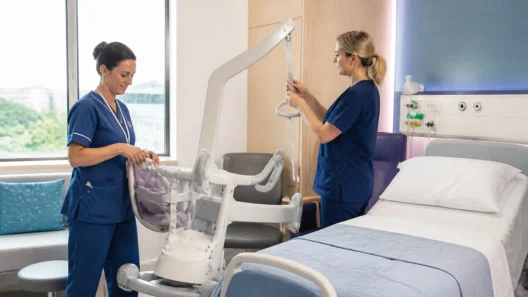
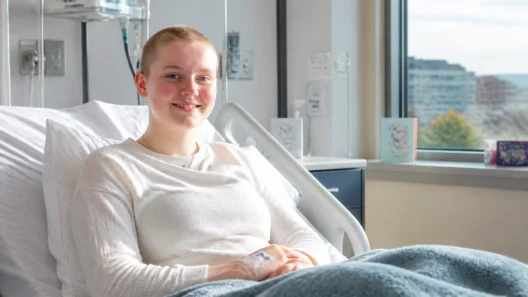
The transplant itself is often described by patients as an "anticlimax" compared with the intensive preparation that precedes it. Before the new cells could be introduced, Millie had to undergo a gruelling regime of "conditioning" treatment. This involved high-dose chemotherapy designed to destroy her own failing bone marrow and suppress her immune system so that it would not reject the donor cells. This period was the most physically and mentally challenging part of her journey. Confined to a sterile, positive-pressure room to prevent infection, Millie faced severe side effects, including extreme nausea and hair loss. Yet, her resolve remained unbroken. She spent her days in isolation keeping up with her schoolwork via video calls and planning for the day she could finally return to the Eastbourne seafront.
On the day of the transplant, the donor’s stem cells were administered through a simple intravenous drip. To an outsider, it looked like a standard blood transfusion, but for Millie, it was the start of a "second birthday." The next few weeks were a period of anxious waiting, known as the "engraftment" phase. This is the critical window where the new stem cells migrate to the bone marrow and begin the process of producing healthy red blood cells, white blood cells, and platelets. Doctors monitored her blood counts daily, looking for the first signs of life from the new immune system. The atmosphere in the hospital room was tense but hopeful, as the family watched the monitors for the slight upward trend in her cell counts that would signal the transplant’s success.
The turning point came on the fourteenth day. Millie’s white blood cell count, which had been effectively zero, began to rise. It was the definitive proof that the donor cells had taken hold. As her strength gradually returned, the strict isolation measures were slowly relaxed. She was able to see her friends through the window and eventually take her first tentative steps outside the hospital ward. The recovery process was far from over: she would require months of follow-up care and a careful return to the outside world, but the immediate threat to her life had been neutralised. The "Millie’s Lifeline" campaign had achieved its ultimate goal, but its impact was starting to be felt far beyond the confines of a single hospital room.
A Legacy of Hope and Awareness
Now back in her family home in Eastbourne, Millie is looking toward a future that once seemed impossible. The fatigue that once dominated her life has been replaced by a quiet, steady energy. She has begun to resume her studies and is already planning her return to college, with a newfound interest in pursuing a career in healthcare. The experience has given her a unique perspective on the value of life and the incredible impact of selfless acts. While she may never meet the man who donated his stem cells, she carries a part of his legacy with her every day. Her story has become a beacon of hope for other families currently navigating the terrifying waters of rare blood disorders, proving that even when the odds are stacked against you, a match can be found.
The local impact in Eastbourne has been significant. The donor drives held in Millie’s name have resulted in thousands of new names being added to the UK stem cell register. Statistics show that for every person who registers, the chances for patients in need increase exponentially. The "Millie Effect" has sparked a conversation about the simplicity of the donation process, dispelling myths that it is a painful or invasive procedure. In reality, most stem cell donations are now done through a process similar to giving blood, a small price to pay for the chance to save a life. Millie’s family continues to advocate for the cause, encouraging people between the ages of 16 and 30 to sign up, as younger donors often provide the best outcomes for transplants.
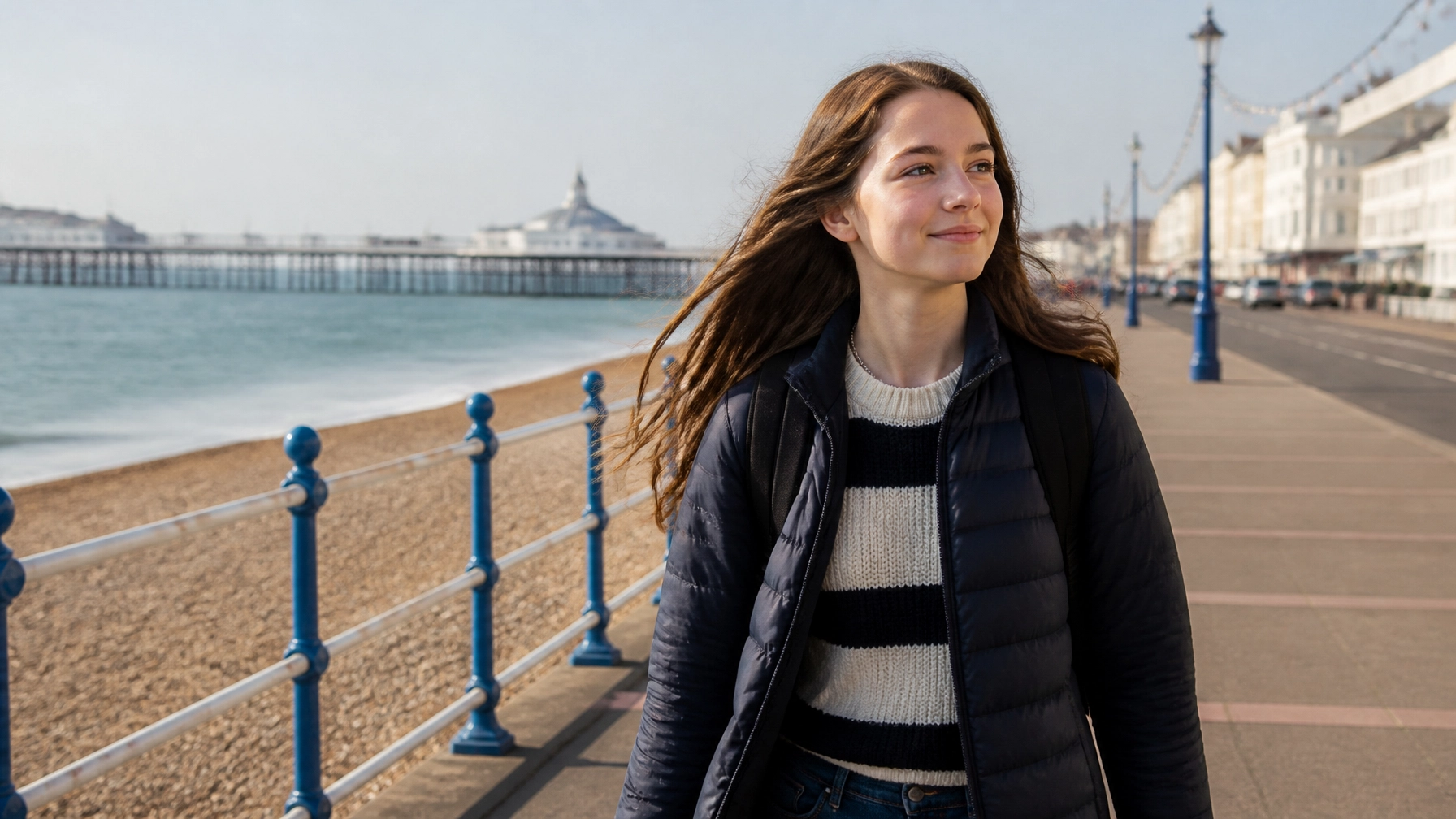
As Millie sits on the Eastbourne seafront, watching the waves roll in, she is no longer a patient defined by a rare disorder. She is a survivor, a student, and a symbol of what can be achieved when a community and a global network of strangers come together. The "Millie’s Lifeline" campaign may have started as a desperate plea for one girl, but it has evolved into a movement that will undoubtedly save many more lives in the years to come. Her journey from the brink of a life-threatening diagnosis to a successful recovery is a powerful reminder of the resilience of the human spirit and the life-changing power of medical science. For Millie, every breath of sea air is now a celebration of a second chance at life, a gift made possible by a stranger’s kindness and a community’s refusal to give up hope.