Shropshire, a county celebrated for its rolling hills and agricultural heritage, is currently grappling with a quiet but growing crisis.
Behind the picturesque timber-framed houses of market towns like Ludlow, an increasing number of residents are finding it difficult to put nutritious food on the table. The rise in the cost of living has hit rural communities with particular force, where transport costs and limited access to large, budget supermarkets exacerbate the financial strain on households. In response to this mounting pressure, a local charity in Ludlow has launched a grassroots initiative designed to provide practical support to those struggling with food insecurity: a free recipe book tailored specifically for those on the tightest of budgets.
This initiative comes at a time when food bank usage across the region has reached record levels. While emergency food parcels provide a vital lifeline, they often consist of non-perishable goods that can be challenging to transform into varied, healthy meals without additional ingredients or culinary confidence. The new recipe book seeks to bridge this gap, offering a manual for making the most of pantry staples and low-cost seasonal produce. It represents a shift from emergency aid toward empowerment, providing residents with the tools to maintain their health and dignity despite financial hardship.
The geography of Shropshire often masks the extent of deprivation within its borders. Rural poverty is frequently "hidden," tucked away in isolated villages or overlooked in affluent-seeming towns. For many, the choice between heating their homes and buying fresh vegetables is a daily reality. The introduction of this recipe book is not merely about providing instructions for cooking; it is a recognition of the complex hurdles faced by low-income families in a rural setting. By focusing on accessible, affordable, and nutritious meals, the project aims to mitigate the long-term health implications of food insecurity, such as malnutrition and diet-related illnesses, which disproportionately affect the most vulnerable members of society.
A Community Response to Rising Costs
The genesis of the recipe book lies in a collaborative effort between local volunteers, community chefs, and those who have lived experience of food poverty. Recognising that traditional cookbooks often rely on expensive equipment or niche ingredients, the creators of this guide focused on simplicity and accessibility. Every recipe has been tested to ensure it can be prepared using basic kitchen tools and ingredients that are frequently found in food bank parcels or purchased cheaply at local markets. This practical focus is essential for ensuring that the advice provided is actually usable for those in the middle of a financial crisis.
Central to the project is the concept of "pantry power." The book provides creative ways to use tinned beans, pulses, and grains: items that are nutritionally dense and inexpensive but often underutilised. By demonstrating how a simple tin of chickpeas can be transformed into a variety of dishes, from stews to salads, the charity is helping to reduce food waste and stretch limited budgets further. This approach also addresses the psychological burden of food insecurity. When every penny is accounted for, the fear of "getting it wrong" and wasting ingredients can prevent people from experimenting with new recipes. By providing foolproof, low-cost options, the book helps to rebuild that lost confidence.
Moreover, the initiative has fostered a sense of solidarity within Ludlow. Local businesses and growers have contributed knowledge about seasonal gluts, showing how to preserve and cook with local produce when it is at its cheapest and most abundant. This connection to the local landscape is a vital part of the project, reminding residents that even in times of scarcity, there is a community network willing to share knowledge and resources. The book serves as a physical reminder that no one is navigating these challenges alone, turning a solitary struggle into a shared community endeavour.
Bridging the Gap Between Surplus and Need
Addressing food insecurity requires more than just providing food; it requires an understanding of the systemic issues that prevent people from accessing a healthy diet. In Shropshire, the "poverty premium" is a significant factor. Residents in smaller towns often pay more for basic goods than those in urban areas with more competition. Furthermore, the lack of reliable public transport can make a trip to a budget supermarket a major logistical and financial hurdle. The recipe book addresses these constraints by focusing on ingredients with a long shelf life and those that can be bought in bulk or found in smaller local shops.
The role of the recipe book also extends into the realm of education and skill-sharing. For many younger families or individuals who may not have grown up with a tradition of home cooking, the prospect of preparing a meal from scratch can be daunting. The charity has designed the book to be an entry point, with clear, jargon-free instructions and tips on how to substitute ingredients based on what is available. This flexibility is crucial for those relying on food banks, where the contents of a parcel can vary from week to week. By teaching the principles of versatile cooking, the book empowers individuals to adapt to their circumstances.
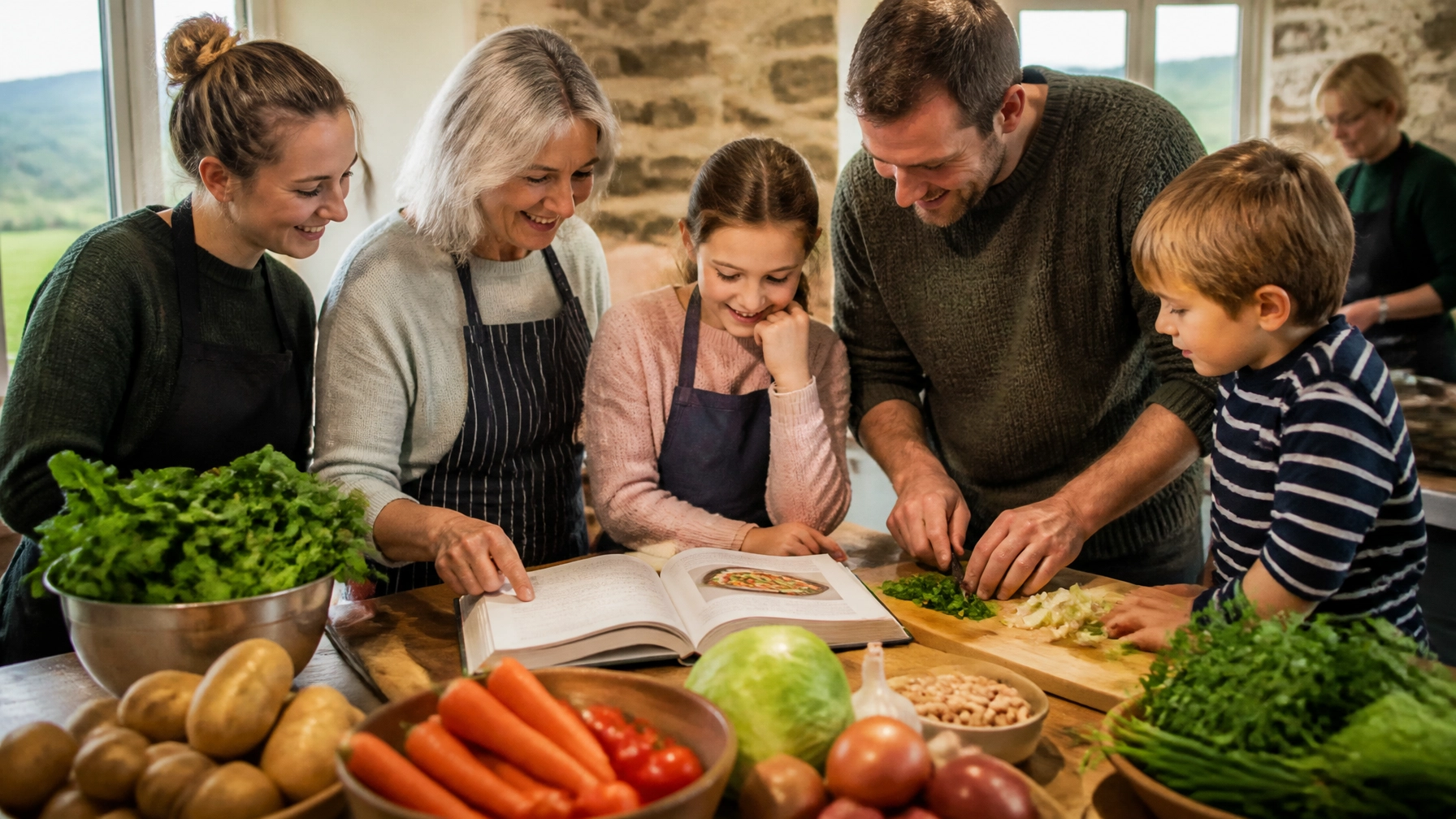
In addition to the printed book, the initiative has sparked a series of community cooking workshops. These sessions allow residents to come together, cook the recipes from the book, and share their own tips and tricks. This social aspect of the project is just as important as the nutritional one. Food insecurity is often isolating, as the inability to participate in social activities involving food: such as eating out or hosting friends: can lead to a sense of exclusion. By creating a space where cooking and eating are shared experiences, the Ludlow charity is tackling the social isolation that often accompanies financial hardship.
Sustaining Hope Through Shared Knowledge
As the project gains momentum, its impact is being felt across the county. Feedback from early recipients of the book suggests that it is helping to alleviate some of the stress associated with meal planning on a budget. Parents, in particular, have noted that having a set of reliable, kid-friendly recipes has made it easier to ensure their children are eating well, even when money is tight. The long-term goal is to see these practices become a permanent part of the local food culture, creating a more resilient community that is better equipped to handle future economic shocks.
The success of the Ludlow recipe book also serves as a model for other rural communities facing similar challenges. It highlights the importance of local knowledge and the effectiveness of small-scale, targeted interventions. While national policy changes are needed to address the root causes of poverty, local initiatives provide immediate, tangible relief. By focusing on the specific needs and constraints of the Shropshire landscape, the charity has created a resource that is both practical and culturally relevant.
Looking forward, there is hope that the initiative will continue to evolve. There are plans to digitise the content, making it even more accessible to a wider audience and allowing for regular updates as new seasonal recipes are developed. The ultimate ambition is to move toward a future where such books are no longer a necessity, but a celebration of local food and community spirit. Until then, the free recipe book remains a vital tool in the fight against food insecurity, proving that even in the face of significant challenges, the power of shared knowledge and community action can provide a path toward a healthier, more secure future for all residents of Shropshire.