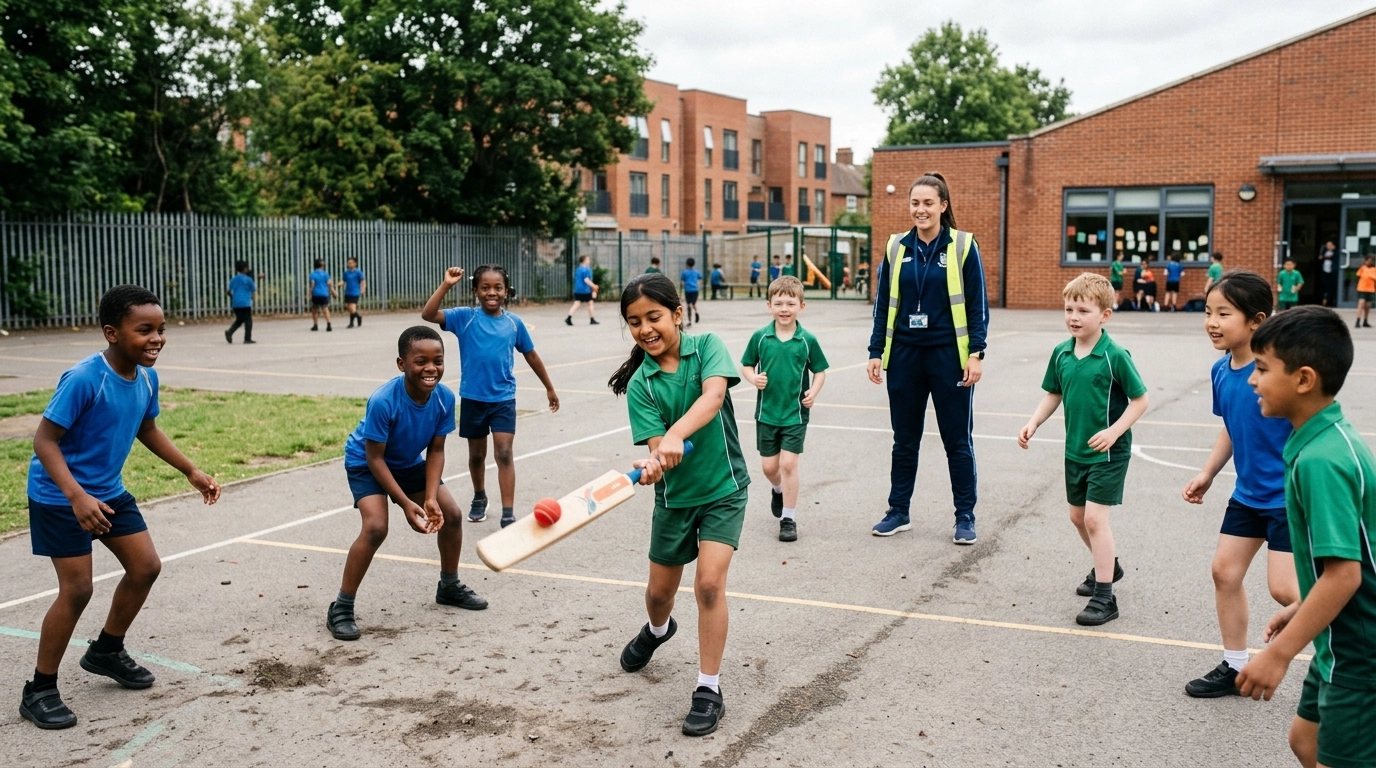
Cricket has long been viewed through a lens of exclusivity, often associated with pristine private school grounds and traditionalist roots. However, a significant shift in the landscape of British sport has been quietly unfolding over the last two decades. The charity Chance to Shine has recently celebrated a historic milestone, reaching eight million children in state schools across England, Wales, and Scotland. This achievement represents more than just a number; it marks twenty-one years of dismantling barriers and ensuring that the sound of leather on willow is a familiar one in playgrounds that might otherwise have never seen a cricket bat.
The story of this milestone is best personified by eleven-year-old Ava Montazer-Mahdi, who officially became the eight millionth child to pick up a bat through the charity’s initiatives. For Ava and millions like her, cricket has transitioned from a distant professional spectacle seen on television to a tangible, everyday activity. Since its inception in 2005, the organisation has worked tirelessly to embed the sport into the national curriculum and the community, proving that cricket is a game for everyone, regardless of their background or the type of school they attend.
The charity’s mission was born out of a stark reality in the early 2000s, where cricket participation in state schools was in a sharp decline. By bringing coaching, equipment, and structured competitions back into the public education system, the initiative has not only revived interest in the sport but has also fostered a new generation of players who represent the modern diversity of Britain. The impact is seen daily in the thousands of schools that now have active cricket programmes, turning urban playgrounds and local parks into hubs of sporting activity.
Breaking the Grass Ceiling for Young Players
The primary hurdle for cricket in state schools has historically been a lack of resources and specialist knowledge. Many primary school teachers, while enthusiastic about physical education, often felt ill-equipped to teach the technical nuances of cricket. Chance to Shine addressed this by providing professional coaches to work alongside teachers, essentially training the trainers while giving children their first taste of the sport. This collaborative approach has ensured that the programme remains sustainable, leaving a lasting legacy in each school it visits.
By focusing on state schools, the charity is directly tackling the elitism that has often plagued the sport’s reputation. For years, the pathway to professional cricket seemed heavily weighted towards those in the independent sector. However, the data now shows a changing tide. By introducing millions of children to the game at a young age, the talent pool has expanded significantly. It is no longer just about finding the next England captain, but about giving every child the chance to discover a passion that might otherwise have remained hidden.
The inclusive nature of these programmes is particularly evident in the growth of the girls’ game. Historically, cricket was often sidelined for girls in favour of other sports. Today, girls represent a huge portion of the eight million reached, with many transitioning from school sessions to local clubs. This shift is vital for the long-term health of the sport, ensuring that cricket reflects the society it serves. The sense of belonging that comes from being part of a team is a powerful motivator, and for many young players, the school playground has become the starting point for a lifelong journey with the game.
More Than Just a Game in the Playground
While the physical benefits of playing cricket are obvious, the impact of the Chance to Shine programmes extends far beyond the boundary rope. Cricket is a game that demands patience, teamwork, and strategic thinking. In a fast-paced digital world, the sport offers a unique opportunity for young people to develop focus and resilience. Educators have noted that the discipline required in cricket often translates back into the classroom, with students showing improved concentration and a better understanding of fair play.
The charity also emphasises the development of life skills. Through leadership programmes, older students are encouraged to take on coaching and officiating roles, building their confidence and communication skills. For many children in disadvantaged areas, these opportunities are life-changing. It provides them with a sense of responsibility and a positive outlet for their energy. The social cohesion fostered by cricket is another crucial element, as children from different backgrounds come together to work towards a common goal on the pitch.
In addition to the school-based work, the Street Cricket initiative has been a game-changer in urban environments. Using a tape-ball (a tennis ball wrapped in electrical tape) and requiring less space than traditional cricket, this format has brought the game to inner-city areas where green space is at a premium. It is fast, social, and accessible, proving that you do not need a perfectly manicured lawn to enjoy the sport. This flexibility has been key to reaching the eight million milestone, ensuring that cricket can thrive in the heart of our cities just as well as in the countryside.
Sustaining the Spirit of the Sport
As the charity enters its third decade, the focus is firmly on the future. Reaching eight million children is a staggering achievement, but the work is far from over. The goal now is to ensure that the interest sparked in the playground leads to long-term participation. This means strengthening the links between schools and local cricket clubs, creating a seamless pathway for young players to continue their development. The ‘club transition’ is often where many young players drop out, so providing a welcoming and supportive environment at the grassroots level is essential.
The celebration of the twenty-one-year anniversary is also a time to reflect on the stories of individuals whose lives have been shaped by the sport. From professional cricketers who started their journey in a Chance to Shine session to young leaders who have found their voice through the game, the legacy of the charity is written in the success of its participants. The documentary “20 Years of Chance to Shine” highlighted many of these stories, showcasing the profound emotional and social impact the organisation has had across the country.
Looking ahead, the challenge remains to keep cricket relevant and accessible in an ever-changing sporting landscape. With the support of governing bodies and commercial partners, the charity is well-positioned to continue its expansion. The emphasis will remain on inclusivity, ensuring that no child is told that cricket is not “for them.” As the next generation of players, inspired by milestones like Ava’s, takes to the field, the future of British cricket looks increasingly bright, diverse, and deeply rooted in the heart of our state schools. The journey from the first child in 2005 to the eight millionth today is a testament to what can be achieved when a sport is opened up to everyone.